
Moscow Traffic Police Attempts to Fine Delivery Robot 300K Rubles
Moscow's traffic police tried to impose a hefty fine on a delivery robot, sparking discussions about tech and regulations. Discover why it matters and what happ
- BackZee
- 5 min read
TL;DR 🚀
Make sure to check our deep dive on why this matters.
- Moscow’s traffic police targeted a delivery robot with a massive fine.
- The incident raises questions about regulations for autonomous tech.
- Public reactions highlight the clash between innovation and law enforcement.
- The case underscores the need for updated laws to accommodate emerging technologies.
- Accountability for autonomous machines remains a complex issue.
In a surprising turn of events, Moscow’s traffic police attempted to impose a hefty fine of 300,000 rubles on a delivery robot. This incident has ignited conversations about the intersection of technology and law, particularly as cities adapt to the rise of autonomous delivery systems. The fine, which is equivalent to approximately $4,000, has drawn attention not only for its size but also for the implications it holds for the future of urban logistics.
The Robot in the Spotlight 🤖
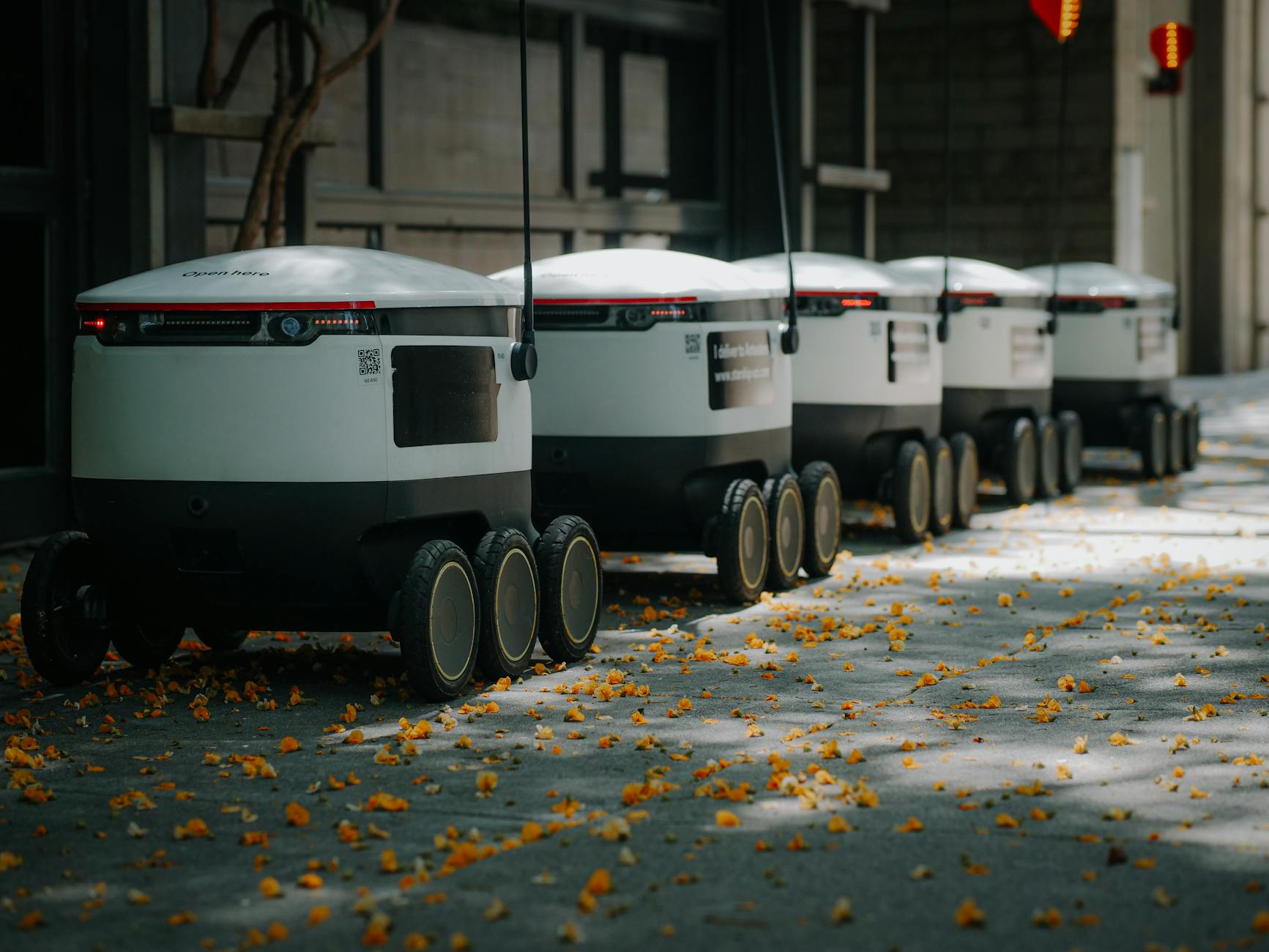
In a bustling Moscow neighborhood, a delivery robot was caught in a peculiar situation when traffic authorities decided to issue a fine. The robot, designed to navigate urban environments and deliver food and goods, was reportedly stopped for violating traffic regulations. This unusual encounter has sparked debates about how cities should regulate autonomous technologies.
Delivery robots, such as those developed by companies like Yandex and Starship Technologies, have become increasingly common in urban areas worldwide. They are equipped with advanced sensors and AI algorithms that allow them to navigate sidewalks and streets, avoiding obstacles and interacting with pedestrians. However, the fine imposed on the robot reflects a broader challenge faced by lawmakers and regulators. With technology evolving rapidly, there’s a pressing need for updated regulations that can accommodate these advancements without stifling innovation.
Key Considerations:
- Autonomous technology is reshaping urban logistics, with the global market for delivery robots expected to grow significantly, projected to reach $1.5 billion by 2027.
- Current laws may not adequately address the nuances of robotic operations, leading to confusion and potential legal disputes.
- The incident underscores the importance of dialogue between tech developers and regulators, as both parties must collaborate to create a framework that ensures safety while fostering innovation.
Public Reaction and Implications 🌍
The public’s response to the traffic police’s actions has been mixed. Many people find the idea of fining a robot amusing, while others express concern about the implications for the future of delivery services. Social media buzzes with opinions, as users share memes and jokes about the situation, highlighting the absurdity of the fine. For instance, one viral meme depicted the robot in a courtroom, with a judge pondering whether it deserved a fine or a pat on the back for its efforts.
This incident also raises critical questions about accountability. If a robot is fined, who is responsible? The company that owns the robot? The developers? Or is it simply a case of a machine operating outside the bounds of human law? As cities continue to integrate technology into daily life, establishing clear guidelines for these scenarios becomes essential.
Moreover, the fine could set a precedent for how similar cases are handled in the future. As more cities explore the use of delivery robots, they will need to consider how to integrate these technologies into existing legal frameworks. This situation also highlights the potential for public backlash against regulations perceived as outdated or overly punitive.
Quick Takeaways 📌
- The fine on the delivery robot reflects outdated traffic laws that may not account for autonomous technologies.
- Public opinion is divided, with many finding humor in the situation while others express concern about the future of delivery services.
- Clarity in regulations is crucial for the future of autonomous delivery, as cities must adapt to the changing technological landscape.
- The incident underscores the need for collaboration between tech developers and regulators to create effective policies.
- Accountability for autonomous machines remains a complex issue that requires careful consideration.
FAQ ❔
What happened with the delivery robot in Moscow?
Moscow traffic police attempted to fine a delivery robot 300,000 rubles for traffic violations, raising questions about how existing laws apply to autonomous machines. The incident has sparked discussions about the adequacy of current regulations in addressing the unique challenges posed by robotic technology.
Why is this incident significant?
This situation highlights the challenges cities face in regulating new technologies. As delivery robots become more common, there’s a pressing need for updated regulations that address their unique operational characteristics. The incident serves as a case study for other cities grappling with similar issues.
How are people reacting to the fine?
Public reactions range from amusement to concern. Many find the idea of fining a robot humorous, while others worry about the implications for the future of delivery services and the accountability of technology. The incident has generated significant media coverage, further fueling public interest in the topic.
What does this mean for the future of delivery robots?
The fine imposed on the delivery robot could lead to increased scrutiny of regulations governing autonomous technologies. As cities adapt to the rise of delivery robots, they will need to establish clear guidelines that ensure safety and accountability while promoting innovation.
Are there similar incidents in other cities?
Yes, other cities around the world have faced challenges in regulating autonomous technologies. For instance, in San Francisco, delivery robots have been involved in accidents, prompting discussions about liability and safety regulations. As the use of these technologies expands, similar incidents are likely to occur, highlighting the need for comprehensive regulatory frameworks.
As technology continues to advance, the conversation around regulation and innovation will only grow more complex. The Moscow incident serves as a reminder that while we embrace new solutions, we must also navigate the legal landscape that governs them. The future of urban logistics may depend on our ability to strike a balance between innovation and regulation.