
Moscow Hospitals Embrace Delivery Robots for Medicine Transport
Moscow hospitals are integrating delivery robots to streamline medicine and blood sample transport, enhancing efficiency and safety. Discover why it matters and
- BackZee
- 5 min read
TL;DR 🚀
- Moscow hospitals are now using robots for transporting medicines.
- The initiative aims to improve efficiency and reduce human error.
- Robots will also handle blood sample deliveries, enhancing safety.
- This technology is part of a global trend towards automation in healthcare.
- The integration of robots can lead to significant cost savings and improved patient care.
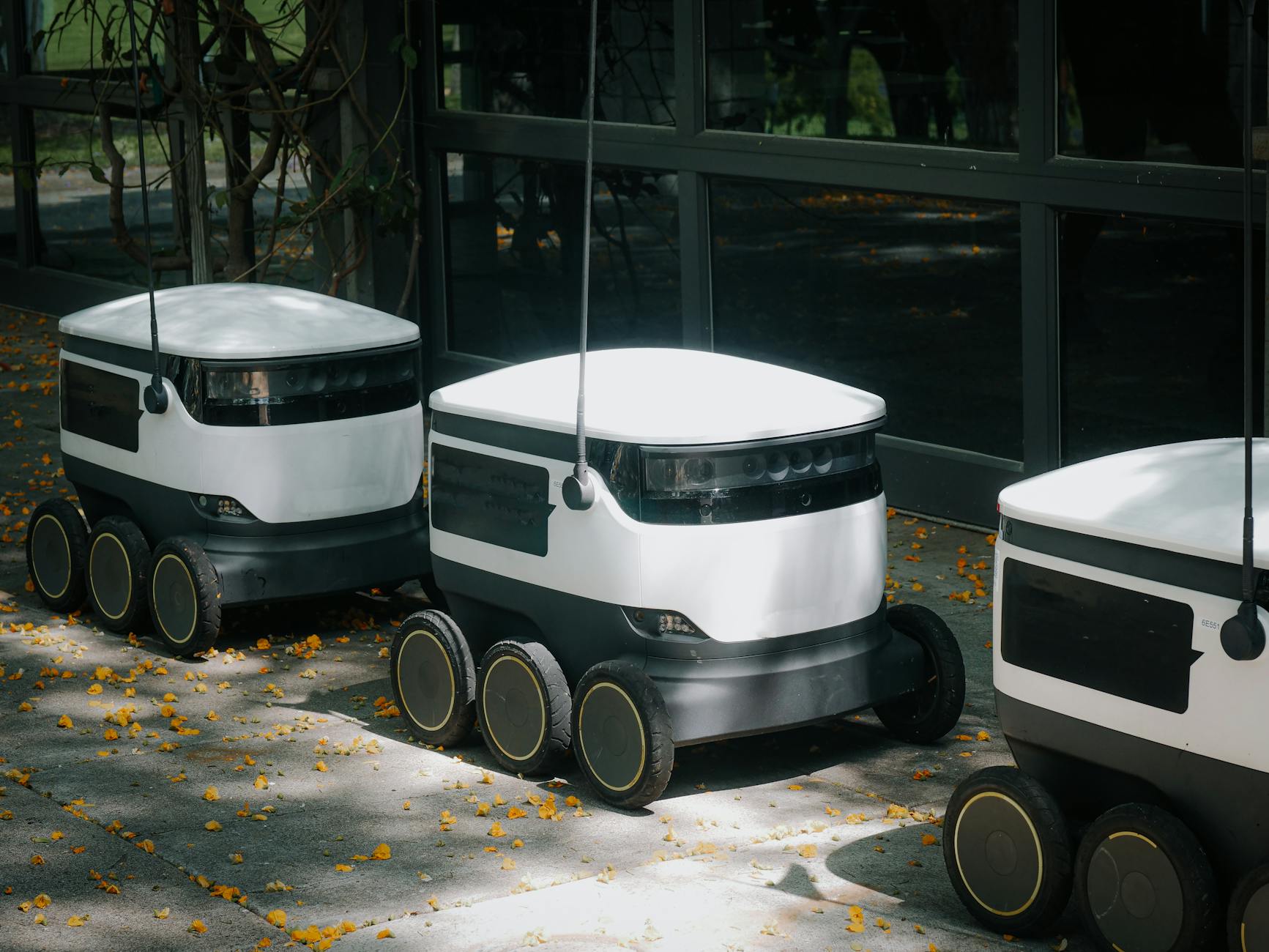
In a groundbreaking move, Moscow hospitals have started deploying delivery robots to transport essential items like medications and blood samples. This innovative approach is set to revolutionize hospital logistics, making the process faster and more reliable. As healthcare systems worldwide grapple with increasing demands, the integration of technology like delivery robots is proving to be a game-changer.
The Rise of Delivery Robots 🤖
The integration of delivery robots into hospital operations marks a significant shift in how healthcare facilities manage logistics. These robots are designed to navigate through hospital corridors, ensuring that medications reach the right departments without delay.
By utilizing these automated systems, hospitals can reduce the workload on staff, allowing healthcare professionals to focus on patient care rather than logistics. In a busy hospital environment, where every second counts, the ability to automate mundane tasks can lead to better patient outcomes. For example, a study published in the Journal of Healthcare Engineering found that hospitals employing robotic systems for logistics saw a 30% reduction in delivery times.
The robots are equipped with advanced navigation systems, which help them avoid obstacles and efficiently find their destinations. Many of these robots utilize LiDAR (Light Detection and Ranging) technology, which allows them to create detailed maps of their environment and navigate complex spaces with precision. This capability is crucial in hospitals, where crowded hallways and busy staff can pose challenges.
The initiative is not just about convenience; it also aims to enhance safety. By minimizing human contact during the transport of sensitive items like blood samples, hospitals can reduce the risk of contamination and ensure that specimens are delivered in optimal condition. A report from the World Health Organization indicates that improper handling of blood samples can lead to misdiagnoses, underscoring the importance of reliable transport methods.
Benefits of Automation in Healthcare 🏥
The use of robots in healthcare settings is becoming increasingly popular worldwide. Hospitals are recognizing the numerous advantages that automation brings to their operations. For instance, robots can work around the clock, ensuring that deliveries are made promptly, even during off-peak hours. This continuous operation can significantly enhance the efficiency of hospital logistics.
Moreover, the implementation of delivery robots can lead to significant cost savings. According to a report by the Healthcare Financial Management Association, hospitals that adopt robotic solutions can save up to 20% in operational costs over five years. By streamlining the logistics process, hospitals can allocate resources more effectively, ultimately benefiting patient care. This shift towards automation is part of a broader trend in healthcare, where technology is leveraged to improve efficiency and outcomes.
For more insights into how technology is transforming healthcare, check out our article on the future of healthcare technology. As automation continues to evolve, we can expect to see even more innovative applications in the healthcare sector.
Quick Takeaways 📌
- Delivery robots are now operational in Moscow hospitals.
- They improve efficiency and reduce human error in logistics.
- Enhanced safety for transporting sensitive medical items.
- The technology can operate continuously, providing timely deliveries.
- Cost savings from automation can be substantial for healthcare facilities.
Cultural Insights and Global Context 🌍
The adoption of delivery robots in Moscow’s hospitals reflects a broader global trend towards automation in healthcare. Countries like Japan and the United States have already implemented similar technologies, showcasing the potential benefits. In Japan, for instance, hospitals have utilized robots not only for logistics but also for patient interaction, providing companionship and assistance to elderly patients.
Culturally, the acceptance of robots in healthcare varies. In some regions, there may be skepticism about the reliability of machines in sensitive environments like hospitals. However, as more success stories emerge, the stigma surrounding automation is likely to diminish. In Moscow, the initiative has been met with enthusiasm, as many see it as a step towards modernizing the healthcare system.
FAQ ❔
How do delivery robots navigate in hospitals?
Delivery robots use advanced sensors and mapping technology to navigate hospital corridors, avoiding obstacles and ensuring timely deliveries. They often rely on a combination of cameras, ultrasonic sensors, and LiDAR to create a real-time map of their surroundings.
What types of items can these robots transport?
The robots are primarily used for transporting medications and blood samples, but they can also handle other medical supplies as needed, such as surgical instruments and diagnostic equipment.
Are there any concerns about using robots in healthcare?
While the benefits are significant, some concerns include the initial cost of implementation and the need for ongoing maintenance and updates to the robot systems. However, many believe the advantages outweigh these challenges, especially in terms of efficiency and safety.
How are hospitals ensuring the security of the robots?
Hospitals are implementing various security measures, including surveillance cameras and restricted access areas, to protect the robots from theft or vandalism. Additionally, the robots are designed with security protocols to prevent unauthorized access to sensitive medical items.
What is the future of delivery robots in healthcare?
As technology continues to advance, we can expect to see more sophisticated delivery robots that can handle a wider range of tasks, including patient monitoring and telemedicine support. The future looks promising for automation in healthcare, with the potential to improve patient care and operational efficiency significantly.