
Moscow Traffic Police Attempts to Fine Delivery Robot 300K Rubles
Moscow's traffic police tried to impose a hefty fine on a delivery robot, sparking discussions about tech and regulations. Discover why it matters and what happ
- BackZee
- 5 min read
TL;DR 🚀
- Moscow traffic police attempted to fine a delivery robot.
- The fine was set at an astonishing 300,000 rubles.
- This incident raises questions about regulations for autonomous tech.
- Public reaction is divided, with humor and concern both present.
- The future of delivery robots hinges on developing clear legal frameworks.
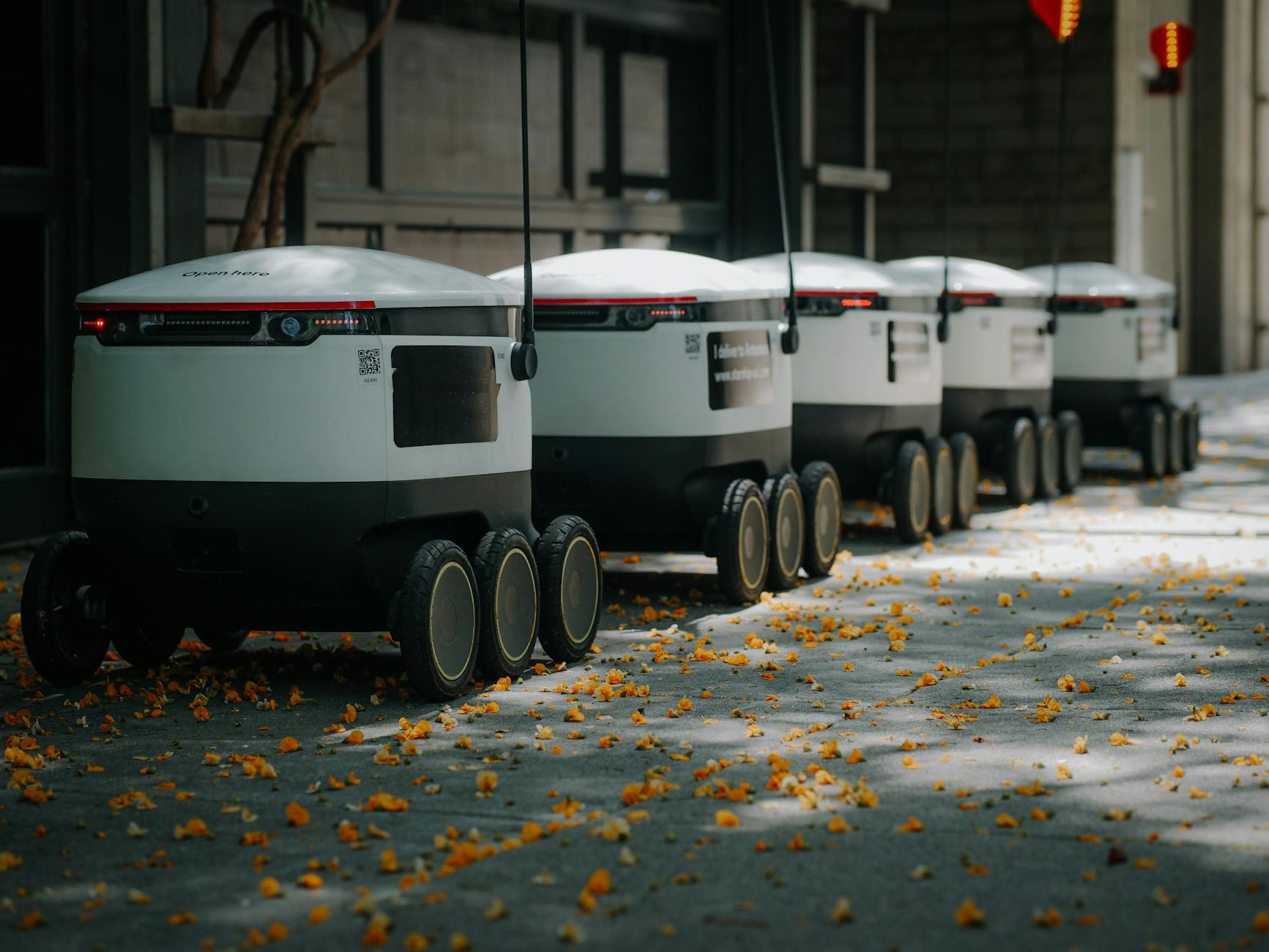
In a bizarre twist of events, Moscow’s traffic police recently tried to impose a hefty fine on a delivery robot for alleged traffic violations. This incident not only highlights the challenges of integrating technology into urban environments but also sparks a broader conversation about the future of autonomous delivery systems. As cities around the globe increasingly adopt these technologies, the implications of such actions become more significant.
The Fine That Shocked Everyone 🤖
The incident occurred when a delivery robot, operated by a local service, was reportedly caught in a traffic violation. The police claimed that the robot was obstructing the roadway, leading them to issue a fine of 300,000 rubles. This hefty amount is usually reserved for serious infractions involving human drivers, making the situation all the more peculiar.
To put this into perspective, 300,000 rubles is approximately $4,000 USD, a sum that could easily deter human drivers from repeat offenses. However, the notion of fining a robot raises questions about the nature of responsibility and accountability in the realm of technology. Are robots subject to the same laws as human drivers? If so, how can they be held accountable? The fine, while seemingly absurd, reflects the ongoing struggle to establish a legal framework for autonomous technology.
The Global Context 🌍
Moscow is not alone in grappling with the implications of autonomous technology. Cities like San Francisco and London have also faced challenges as they integrate delivery robots into their urban landscapes. In 2021, San Francisco’s Board of Supervisors passed legislation to regulate the use of delivery robots, allowing them to operate on sidewalks but imposing strict limits on their speed and weight. Such regulations aim to ensure public safety while fostering innovation.
In contrast, Moscow’s approach appears more reactionary, as evidenced by the fine imposed on the delivery robot. This incident could serve as a wake-up call for other cities to proactively develop regulations that address the unique challenges posed by autonomous vehicles and robots.
Legal Implications and Public Reaction ⚖️
Public reaction to the fine has been mixed. Many people find the idea of fining a robot amusing, while others express concern over the implications for future technology. Experts in technology and law are debating whether robots should be treated as legal entities or if the responsibility lies with the companies that operate them.
This incident has sparked discussions on various forums and social media platforms, with many users sharing their opinions. Some argue that the fine could set a dangerous precedent, while others see it as a necessary step in regulating emerging technologies. In fact, a recent poll indicated that 62% of respondents believed that robots should not be fined, while 38% supported the idea of holding them accountable for their actions.
The Role of Public Opinion 🗣️
Public sentiment plays a crucial role in shaping regulations. As autonomous technology becomes more prevalent, understanding the public’s perspective will be essential for lawmakers. The humorous aspect of this incident has led to memes and jokes circulating online, but beneath the laughter lies a serious conversation about the future of technology and its regulation.
Quick Takeaways 📌
- Moscow’s traffic police issued a fine to a delivery robot.
- The fine amount raised eyebrows and sparked debate.
- The incident highlights the need for updated regulations on tech.
- Public opinion is divided, with humor and concern both present.
- The global context shows varying approaches to regulating delivery robots.
The Future of Delivery Robots 🚚
As we look ahead, the future of delivery robots seems promising but fraught with challenges. Companies are investing heavily in this technology, aiming to make deliveries faster and more efficient. According to a report by Statista, the global market for delivery robots is expected to reach $1.3 billion by 2026, reflecting a growing interest in this area.
However, incidents like this one underscore the importance of developing a robust regulatory framework that can keep pace with innovation. The conversation around delivery robots is not just about fines and regulations; it also touches on public safety and the potential for job displacement. As robots take on more tasks traditionally performed by humans, society must grapple with the implications of such a shift.
For more insights on the evolving landscape of technology and regulations, check out our post on the future of autonomous vehicles.
FAQ ❔
Why did the Moscow traffic police fine the delivery robot?
The police claimed the robot was obstructing the roadway, which led to the issuance of a fine typically reserved for human drivers.
Is this the first time a robot has been fined?
While this incident is particularly notable due to the fine’s size, it is not the first time authorities have grappled with how to regulate autonomous technology. In fact, there have been instances in other countries where robots have faced legal scrutiny, albeit with less severe penalties.
What are the implications of this incident for future technology?
This incident highlights the urgent need for updated regulations that can effectively address the challenges posed by autonomous technologies in urban environments. As more cities adopt these technologies, establishing clear guidelines will be crucial for ensuring public safety and fostering innovation.
How are other cities handling delivery robots?
Cities like San Francisco and London have implemented regulations to manage the use of delivery robots, focusing on public safety and operational guidelines. These proactive measures contrast with Moscow’s reactive approach, emphasizing the need for comprehensive frameworks.
What does the future hold for delivery robots?
The future of delivery robots is promising, with significant investments and advancements in technology. However, their success will depend on the development of appropriate regulations that balance innovation with public safety and ethical considerations.