
Moscow's Mayor Envisions Robots Replacing Delivery Couriers
Moscow's mayor predicts a future where delivery couriers are replaced by robots, with thousands expected to hit the streets soon. Discover why it matters for Ge
- BackZee
- 5 min read
TL;DR 🚀
Make sure to check our deep dive on why this matters.
- Moscow’s mayor anticipates a rise in delivery robots.
- Current robot count is at 200, expected to reach 2,000-3,000 soon.
- New regulations for robot speed limits are in the works.
- The shift towards automation could redefine urban logistics.
- Other cities globally are watching Moscow’s developments closely.
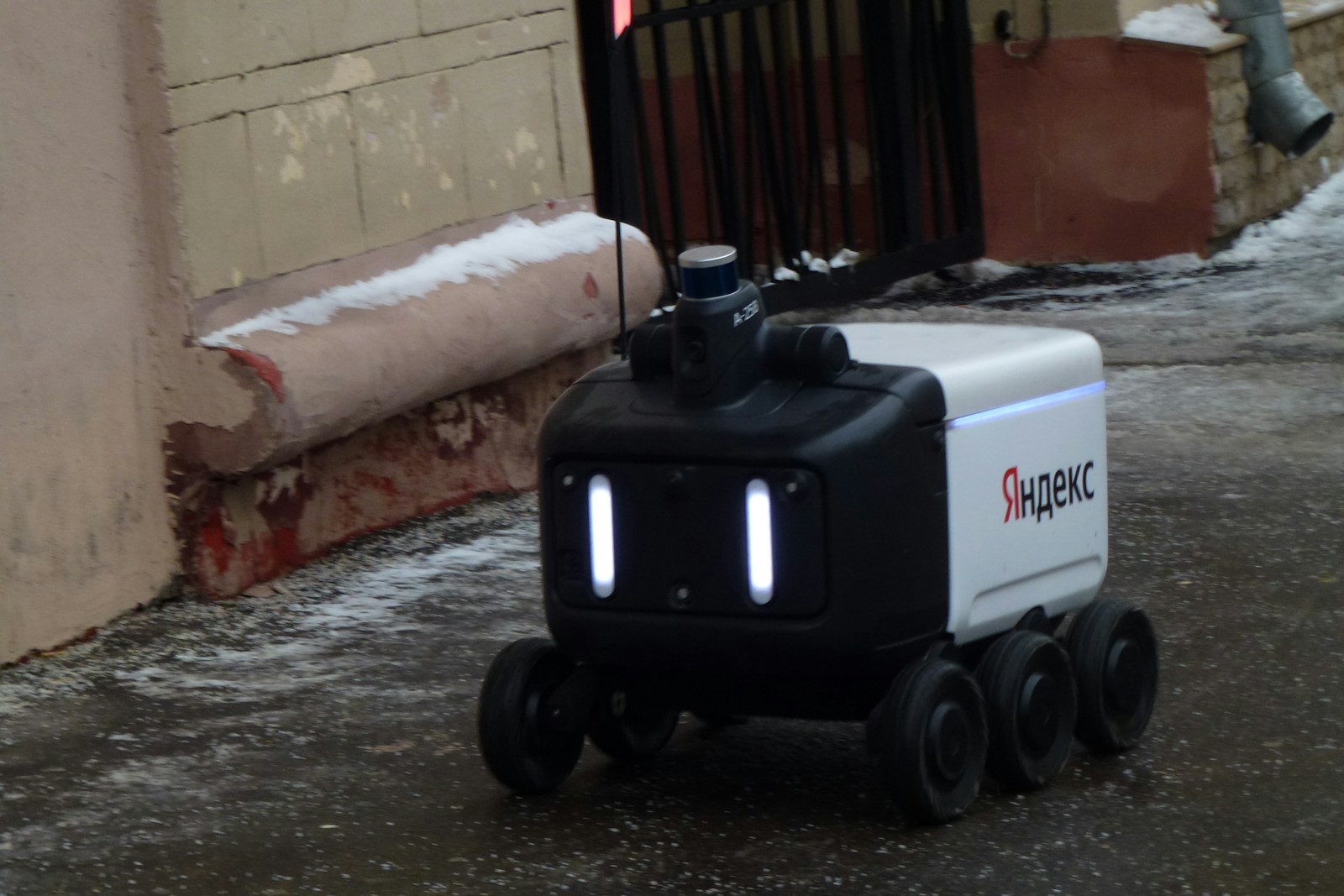
In a bold vision for the future, Moscow’s Mayor Sergey Sobyanin believes that delivery robots will soon take over the roles of traditional couriers. With the number of these robots projected to surge in the coming year, Sobyanin’s remarks highlight a significant shift in urban logistics. This transition is not merely a technological upgrade; it represents a fundamental change in how goods are delivered in urban settings.
The Rise of Delivery Robots 🤖
Sobyanin recently shared his thoughts during a press conference, stating that the current fleet of delivery robots in Moscow is just the beginning. With only 200 robots currently operational, the city is gearing up for a major increase, aiming for 2,000 to 3,000 robots on the streets by the end of the year. This ambitious plan is not just a dream; it’s a realistic expectation that is already unfolding in various parts of the city.
The mayor emphasized that these robots will effectively replace the couriers we typically see on bicycles. This shift is part of a broader trend towards automation and efficiency in urban environments. As Sobyanin noted, “This is a reality that is already happening today.” The implications of this change could be monumental, affecting everything from delivery times to job markets.
For instance, delivery times could be reduced from an average of 30 minutes to as little as 15 minutes, depending on the distance and traffic conditions. This efficiency could lead to a significant increase in customer satisfaction, particularly in a city known for its bustling lifestyle.
Cultural Insights
Moscow, a city with a rich history and a diverse population, is no stranger to innovation. The integration of delivery robots reflects a cultural shift towards embracing technology in everyday life. Just as the introduction of ride-sharing apps transformed transportation in urban areas, delivery robots could revolutionize how residents receive goods.
Moreover, the acceptance of such technology may vary among different demographics. Younger generations, who are generally more tech-savvy, may be more inclined to embrace robotic deliveries, while older citizens might have reservations. This cultural dynamic will play a crucial role in how quickly and effectively these robots are integrated into daily life.
Future of Autonomous Transport 🌍
Looking ahead, Sobyanin predicts that the global adoption of autonomous vehicles will accelerate over the next five years. This aligns with recent initiatives from the Ministry of Economic Development, which has proposed a government decree to regulate the presence of delivery robots on public streets.
The draft legislation includes specific speed limits for these robots: a maximum of 25 km/h on roads, 10 km/h on sidewalks, and 6 km/h when crossing streets. These regulations aim to ensure safety while integrating robots into the urban landscape. As cities worldwide explore similar technologies, Moscow is positioning itself as a leader in this innovative shift.
Economic Impact
The economic implications of this shift are significant. According to a report by the International Federation of Robotics, the global market for delivery robots is expected to reach $1.5 billion by 2025. Moscow’s proactive approach could not only enhance local logistics but also attract investment and create jobs in tech development, maintenance, and operations related to these robots.
Quick Takeaways 📌
- Mayor Sobyanin envisions a future with thousands of delivery robots.
- Current operational robots are set to increase significantly.
- New regulations are being drafted to manage robot operations.
- Cultural acceptance of delivery robots will vary across demographics.
- The economic potential of delivery robots is substantial, with a projected market growth.
FAQ ❔
What are the expected benefits of using delivery robots?
Delivery robots can enhance efficiency, reduce delivery times, and lower operational costs for businesses. They also have the potential to ease traffic congestion by minimizing the number of delivery vehicles on the road. Additionally, they can operate around the clock, providing services at times when traditional couriers may not be available.
How will the introduction of robots affect jobs in Moscow?
While the rise of delivery robots may lead to a reduction in traditional courier jobs, it could also create new opportunities in technology, maintenance, and oversight of these robotic systems. The transition may necessitate retraining programs for displaced workers, allowing them to adapt to new roles in the evolving job market.
What other cities are implementing similar technologies?
Cities like San Francisco, London, and Tokyo are also exploring the use of delivery robots and autonomous vehicles, each adapting the technology to fit their urban environments and regulatory frameworks. For example, San Francisco has seen a surge in pilot programs for delivery robots, while London has established designated zones for their operation.
How will safety be ensured with the introduction of delivery robots?
Safety measures will be a priority as robots are integrated into urban settings. This includes the implementation of speed limits, designated paths for robot travel, and the use of sensors and cameras to navigate obstacles. Public awareness campaigns may also be necessary to educate residents about interacting safely with these new technologies.
As Moscow embarks on this journey towards a more automated future, the integration of delivery robots may redefine how we think about logistics and urban mobility. With the potential for increased efficiency and safety, this initiative could serve as a model for cities around the globe, paving the way for a new era of urban delivery systems.