
Squirrel Spotted Vaping in London Park: A Wild Encounter
A squirrel caught vaping in a London park has sparked curiosity and concern about wildlife interactions with human products. Discover why it matters and what ha
- BackZee
- 5 min read
TL;DR 🚀
Make sure to check our deep dive on why this matters.
- A squirrel was filmed vaping in Brixton, London.
- Experts suggest the fruity flavor attracted the animal.
- Concerns arise about wildlife ingesting harmful substances.
- The incident highlights the growing interaction between urban wildlife and human products.
- Public awareness and responsible waste disposal are crucial for protecting wildlife.
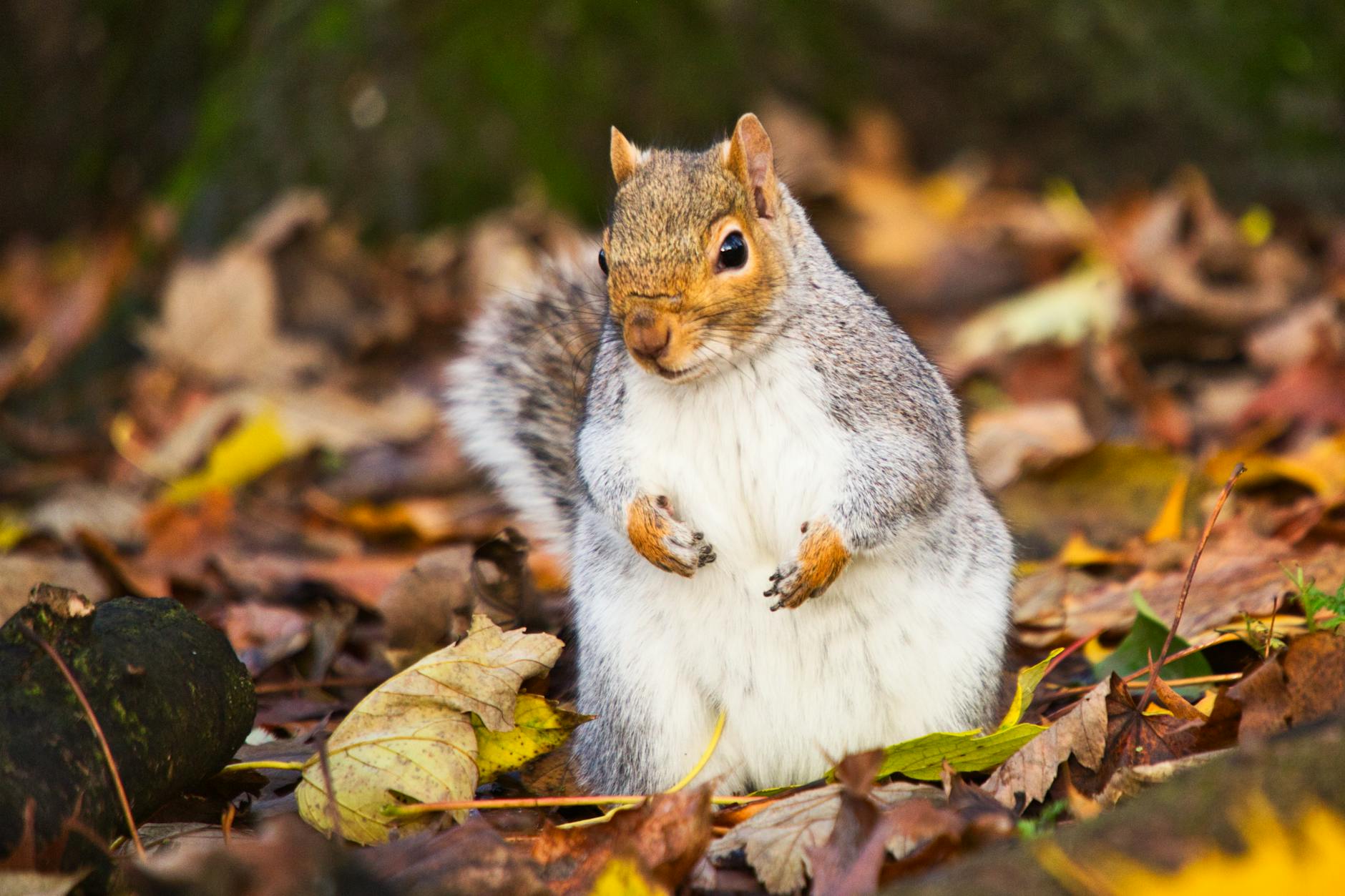
In a quirky incident that has taken social media by storm, a squirrel was caught on camera enjoying a vape in a London park. This unexpected sighting raises questions about how urban wildlife interacts with human habits and products, particularly in relation to health and safety. The video, which quickly went viral, showcases not just the squirrel’s unusual behavior but also the broader implications of wildlife adapting to human environments.
The Unusual Squirrel Encounter 🐿️
In a video shared by The Telegraph, the squirrel can be seen perched on a wooden fence in Brixton, clutching an electronic cigarette. This bizarre behavior has intrigued many, prompting discussions about the implications of wildlife consuming human-made items. Craig Shuttleworth, a squirrel expert from Bangor University, weighed in on the phenomenon, suggesting that the fruity flavor of the vape might have piqued the animal’s interest.
Shuttleworth noted that while squirrels are often seen scavenging for food, this is the first instance of one engaging with a vape. “In the past, you might find discarded cigarette butts, but squirrels with vapes are a new sight,” he remarked. The expert speculated that the attractiveness of flavored vapes could be more appealing than traditional tobacco products, which lack such enticing scents.
Interestingly, the rise of flavored vapes has been a topic of debate among health officials, with some arguing that these products are designed to attract younger users. This incident with the squirrel adds a new layer to that conversation, highlighting how even wildlife can be drawn to these artificial flavors.
Health Concerns for Wildlife 🌱
The implications of this incident extend beyond mere curiosity. Shuttleworth expressed concern that the components of vapes are not part of a squirrel’s natural diet. “These substances are not found in nature, and while they might nibble on the vape, they could also ingest harmful microplastics,” he explained. This raises alarms about the potential health risks for wildlife that come into contact with human waste.
According to a study published in the journal Environmental Pollution, microplastics have been found in various wildlife species, leading to digestive issues and other health complications. The concern is that if a squirrel ingests vape components, it could face similar risks. As urban areas expand, wildlife increasingly interacts with human environments, leading to situations like this.
The question arises: how can we minimize harmful encounters between animals and human products? Awareness and education about littering and its effects on wildlife are crucial in addressing this issue. For instance, cities like London have implemented campaigns to reduce littering, but the effectiveness of these initiatives can vary widely.
Quick Takeaways 📌
- The squirrel’s vaping behavior highlights urban wildlife’s adaptation.
- Experts warn about the dangers of animals consuming non-natural substances.
- Increased human-wildlife interactions necessitate better waste management.
- Flavored vapes may attract not just humans but also wildlife, raising health concerns.
- Public education on responsible disposal can help mitigate risks to wildlife.
Cultural Insights 🌍
This incident reflects a broader trend of urban wildlife adapting to human environments. Cities around the world have seen similar occurrences, from raccoons rummaging through trash bins in North America to pigeons pecking at discarded fast food. The adaptability of these animals is remarkable, but it also poses significant challenges for their health and safety.
In many cultures, animals like squirrels are often seen as cute and harmless, yet their interactions with human products can lead to dangerous situations. For example, in Japan, there have been reports of monkeys stealing snacks from tourists, leading to health concerns for both the animals and the humans involved. This highlights the need for a cultural shift in how we view and interact with wildlife in urban settings.
FAQ ❔
Why was the squirrel vaping?
The squirrel was likely attracted to the fruity flavor of the vape, which is more enticing than traditional tobacco products. The colorful packaging and sweet scents may have drawn the animal in, showcasing the unintended consequences of human consumer habits.
What are the health risks for the squirrel?
Ingesting vape components could expose the squirrel to harmful substances, including microplastics and chemicals not found in its natural diet. These substances can lead to health complications, including digestive issues and potential toxicity.
How can we prevent wildlife from interacting with human waste?
Improving public awareness about littering and encouraging responsible disposal of products can help reduce harmful encounters between wildlife and human items. Community clean-up events and educational campaigns can foster a sense of responsibility towards local wildlife.
Are there other examples of wildlife interacting with human products?
Yes, there are numerous instances globally where wildlife has interacted with human products. For example, in urban areas, bears have been known to break into cars for food, and seagulls have become adept at snatching snacks from unsuspecting beachgoers. These behaviors highlight the adaptability of wildlife but also the risks they face.
This peculiar incident serves as a reminder of the complex relationship between urban wildlife and human activity. As we continue to share spaces with these creatures, it becomes increasingly important to consider the impact of our habits on their health and well-being. By fostering a culture of respect and responsibility, we can create a safer environment for both humans and wildlife alike.