
Tiger Blocks Road in Khabarovsk Region: A Wild Encounter
A tiger caused a traffic standstill in Khabarovsk, showcasing the wild's unexpected presence in urban areas. Discover why it matters and what happens next.
- BackZee
- 4 min read
TL;DR 🚀
Make sure to check our deep dive on why this matters.
- A tiger halted traffic in Khabarovsk, causing a stir.
- Local authorities responded to the unusual situation.
- The incident highlights the intersection of wildlife and urban life.
- Increased urbanization leads to more wildlife encounters.
- Awareness and education are key to coexistence with nature.
In a surprising turn of events, a tiger made headlines in Khabarovsk by blocking a major road, reminding everyone of the wild’s unpredictable nature. This incident not only caused a traffic jam but also sparked conversations about wildlife encounters in urban settings, raising awareness about the delicate balance between nature and urban development.
The Unexpected Visitor 🐅
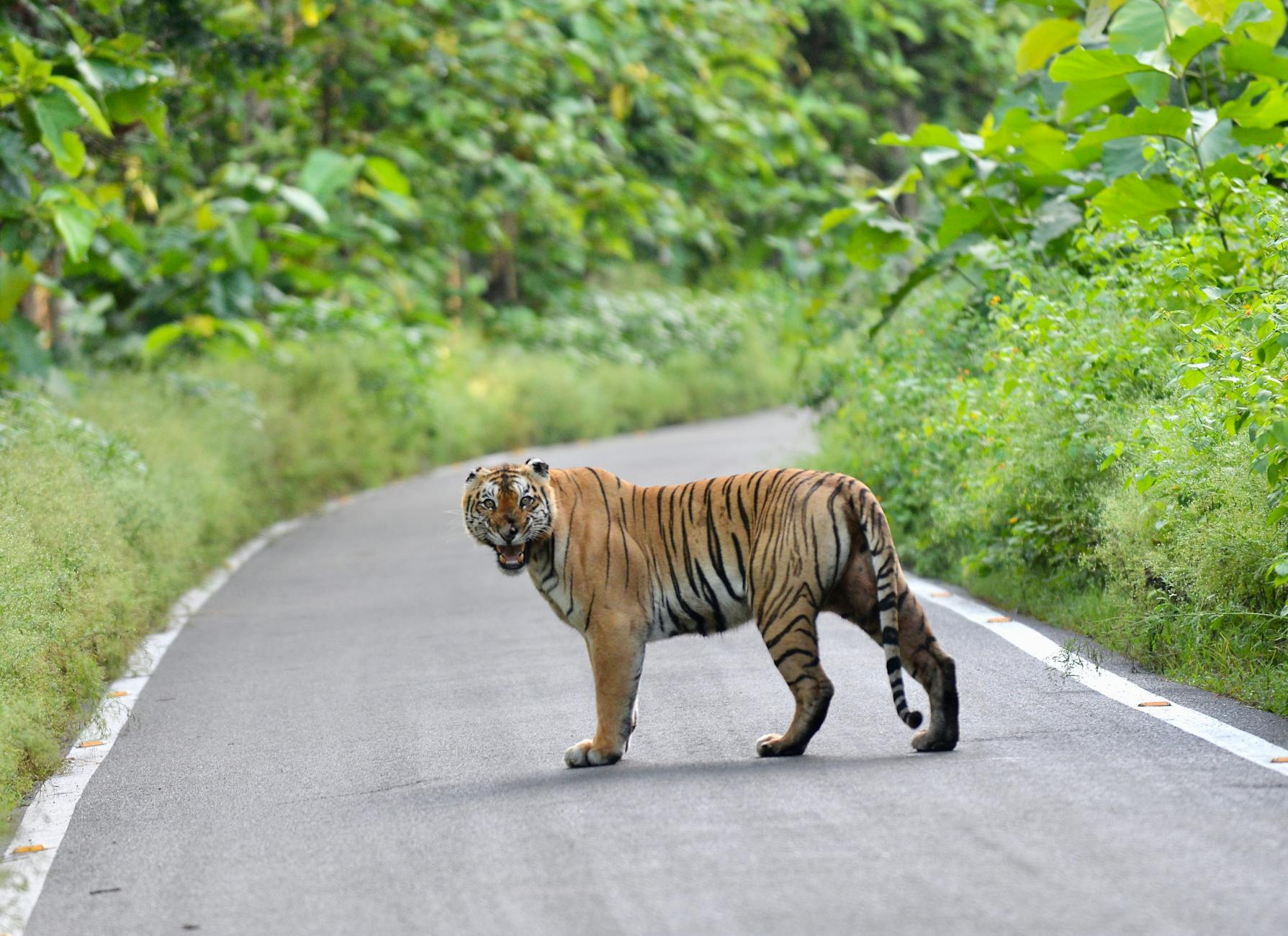
On March 16, 2026, residents of Khabarovsk were met with an unusual sight: a tiger casually lounging on a road, effectively halting all traffic. This majestic creature, known for its elusive nature, decided to make a bold appearance, captivating onlookers and causing quite the commotion.
Witnesses described the scene as surreal, with many taking to social media to share videos and images of the tiger, which quickly went viral. The sighting was not just a spectacle; it was a stark reminder of the wild’s presence in our increasingly urbanized world.
Authorities quickly arrived on the scene to assess the situation. Wildlife experts were called in to ensure the safety of both the tiger and the public. The local community was both excited and concerned, as such encounters can be dangerous. The tiger’s presence raised questions about its origins and how it ended up in such an urban environment.
Why Did the Tiger Cross the Road?
- Habitat encroachment: As urban areas expand, wildlife often finds itself in unfamiliar territories. According to a 2021 report by the World Wildlife Fund (WWF), urbanization has led to a significant loss of natural habitats, pushing wildlife closer to human settlements.
- Food sources: Tigers may venture closer to human settlements in search of prey or food. In regions where their natural prey is scarce, they may be drawn to livestock or even garbage.
- Conservation efforts: Increased awareness and protection of wildlife can lead to more sightings in populated areas. Conservation programs often aim to protect tiger populations, which can inadvertently lead to more interactions with humans.
The Response from Authorities 🚓
Local authorities took immediate action to manage the situation. They cordoned off the area to ensure public safety while experts worked to safely relocate the tiger. This incident underscores the importance of wildlife management in regions where urban development encroaches on natural habitats.
Residents were urged to stay indoors and avoid approaching the tiger, as it could become agitated. The response team used tranquilizers to safely sedate the animal before transporting it back to a more suitable habitat. This proactive approach highlights the need for effective strategies to handle wildlife encounters in urban settings.
In the aftermath of the incident, local officials emphasized the importance of community awareness regarding wildlife. They organized a series of educational workshops aimed at teaching residents how to respond to wildlife encounters and the importance of preserving natural habitats.
Quick Takeaways 📌
- The tiger was safely relocated by wildlife experts.
- Local authorities acted quickly to ensure public safety.
- This incident raises awareness about wildlife conservation.
- Community education is crucial for coexistence with wildlife.
- Urban expansion necessitates better wildlife management strategies.
FAQ ❔
What should I do if I encounter a wild animal?
If you come across a wild animal, it’s crucial to keep your distance and avoid approaching it. Contact local wildlife authorities for assistance. Do not attempt to feed or provoke the animal, as this can lead to dangerous situations.
Are tiger sightings common in urban areas?
While rare, tiger sightings can occur, especially in regions where urban development overlaps with their natural habitats. In Russia, the Amur tiger population has been recovering, leading to more frequent encounters as their range expands. It’s essential to monitor wildlife populations and their movements to better understand these occurrences.
How can we prevent wildlife from entering urban areas?
Preventive measures include maintaining natural barriers, creating wildlife corridors, and educating the public about coexistence with wildlife. Conservation efforts play a vital role in ensuring both human and animal safety. Urban planners are increasingly incorporating wildlife-friendly designs into their projects to mitigate these encounters.
What are the implications of urbanization on wildlife?
Urbanization leads to habitat fragmentation, which can isolate animal populations and reduce genetic diversity. It also increases human-wildlife conflicts, as animals search for food and shelter in urban areas. Sustainable urban development practices are essential to minimize these impacts.
This incident in Khabarovsk serves as a reminder of the delicate balance between urban life and the wild. As cities expand, the chances of encountering wildlife increase, urging us to rethink our relationship with nature and the measures we take to protect both ourselves and the animals that share our planet. By fostering a culture of coexistence and respect for wildlife, we can ensure a harmonious future for both humans and the natural world.