
Siberian Tigress Caught on Camera Enjoying a Snowy Snack
A stunning capture of a Siberian tigress indulging in snow has emerged, showcasing the beauty of wildlife in the Amur region. Discover why it matters and what h
- BackZee
- 5 min read
TL;DR 🚀
- A Siberian tigress was photographed eating snow in the Amur region.
- The footage highlights the beauty of wildlife in their natural habitat.
- This rare sighting emphasizes the importance of wildlife conservation.
- Siberian tigers are critically endangered, with fewer than 500 left in the wild.
- Conservation efforts are crucial to combat habitat loss and poaching.
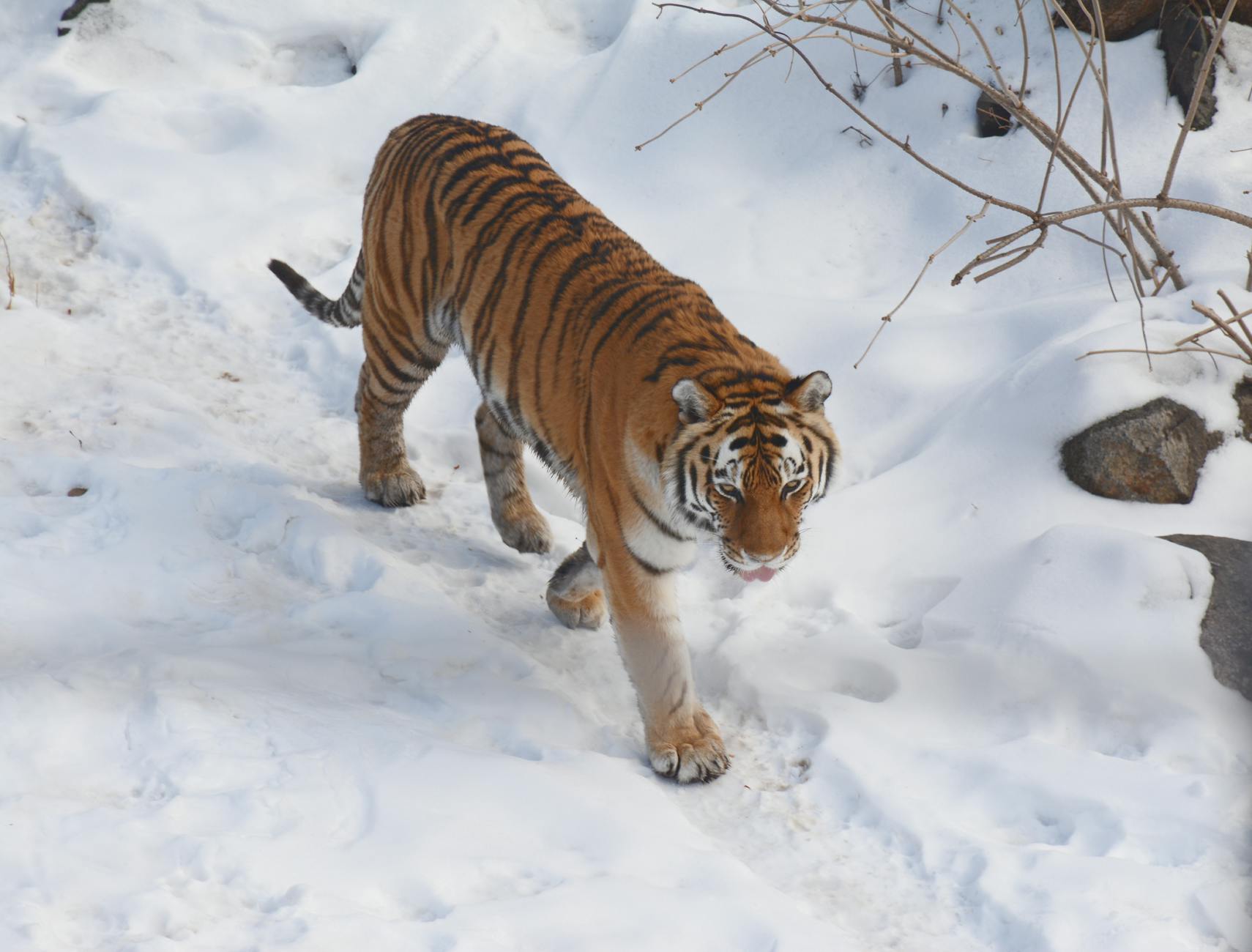
In a captivating moment captured by a camera trap, a Siberian tigress was seen indulging in a unique snack: snow! This delightful footage from the Amur region not only showcases the beauty of these majestic creatures but also serves as a reminder of the importance of wildlife conservation. The image has garnered attention from wildlife enthusiasts and conservationists alike, sparking discussions about the challenges faced by these magnificent animals.
Nature’s Beauty 🌨️
The stunning image of the tigress enjoying her snowy treat offers a rare glimpse into the life of one of nature’s most elusive predators. Camera traps have become an invaluable tool for wildlife researchers, allowing them to monitor animal behavior without human interference. This particular capture highlights the tigress’s playful side, as she appears to relish the cold, fluffy snow.
Interestingly, snow is not just a whimsical snack for these tigers; it can also serve a practical purpose. In the wild, Siberian tigers are known to consume snow to hydrate themselves, especially during the harsh winter months when water sources may be frozen over. This behavior illustrates their adaptability and resourcefulness in a challenging environment.
The Amur region, known for its breathtaking landscapes, is home to a small population of Siberian tigers. These magnificent animals are critically endangered, making every sighting a significant event. The footage not only showcases the beauty of the tigress but also raises awareness about the challenges these animals face in the wild, such as habitat loss and poaching.
According to the World Wildlife Fund (WWF), the Amur tiger population has faced a dramatic decline over the past century, primarily due to human activities. In the early 20th century, there were an estimated 100,000 Siberian tigers roaming the forests of Asia. Today, conservationists estimate that there are fewer than 500 left in the wild, making their survival a pressing concern.
Conservation Efforts 🐾
Efforts to protect the Siberian tiger have been ongoing, with various organizations working tirelessly to ensure their survival. Conservationists emphasize the need for habitat preservation and anti-poaching measures to support the dwindling population. The sighting of this tigress serves as a reminder of the delicate balance between wildlife and human activity.
In recent years, initiatives such as the Amur Tiger Recovery Program have been launched to bolster the population of Siberian tigers. This program focuses on increasing the prey base, enhancing habitat connectivity, and implementing stricter anti-poaching laws. For example, in 2019, Russian authorities reported a significant increase in the number of tigers in the Land of the Leopard National Park, a key habitat for these big cats, due to successful conservation measures.
For more insights into wildlife conservation, check out our post on protecting endangered species. The ongoing efforts to safeguard these magnificent creatures are crucial for maintaining biodiversity and ecological balance. Furthermore, raising public awareness about the plight of the Siberian tiger can inspire individuals to contribute to conservation efforts, whether through donations or by advocating for sustainable practices.
Quick Takeaways 📌
- The Siberian tigress is a critically endangered species.
- Camera traps play a vital role in wildlife research and conservation.
- The Amur region is a key habitat for these majestic animals.
- Conservation programs are essential for increasing the Siberian tiger population.
- Public awareness and involvement are crucial for successful conservation efforts.
FAQ ❔
What is the significance of camera traps in wildlife research?
Camera traps allow researchers to monitor animal behavior and population dynamics without disturbing their natural habitat. This non-invasive method provides valuable data for conservation efforts. By capturing images of elusive species like the Siberian tiger, researchers can gain insights into their habits, breeding patterns, and territory ranges.
How many Siberian tigers are left in the wild?
Estimates suggest that there are fewer than 500 Siberian tigers left in the wild, making them one of the most endangered big cats on the planet. This number is a stark reminder of the urgent need for conservation efforts to protect their remaining habitats and ensure their survival.
What are the main threats to Siberian tigers?
The primary threats to Siberian tigers include habitat loss due to deforestation, poaching for their fur and body parts, and depletion of their natural prey. Conservation efforts are crucial to combat these challenges and ensure their survival. Additionally, climate change poses a growing threat, as it alters the ecosystems that support both the tigers and their prey.
How can individuals help in the conservation of Siberian tigers?
Individuals can contribute to the conservation of Siberian tigers by supporting reputable wildlife organizations, participating in awareness campaigns, and advocating for policies that protect natural habitats. Donations to conservation programs can also make a significant impact, helping to fund anti-poaching initiatives and habitat restoration projects.
Are there any successful stories of Siberian tiger conservation?
Yes, there have been several success stories in Siberian tiger conservation. For instance, the population in Russia’s Land of the Leopard National Park has seen a notable increase due to effective management and protection strategies. These successes highlight the potential for recovery when dedicated efforts are made to protect these magnificent animals and their habitats.