
Planet Parade: A Celestial Spectacle for Russia on February 28
On February 28, 2026, Russians can witness a stunning planetary alignment. Discover what to expect from this astronomical event. Discover why it matters and wha
- BackZee
- 5 min read
TL;DR 🚀
Make sure to check our deep dive on why this matters.
- A rare planetary alignment will be visible in Russia.
- The event occurs on February 28, 2026.
- Stargazers should prepare for an unforgettable experience.
- Key planets include Mercury, Venus, Mars, Jupiter, and Saturn.
- Local astronomy clubs may host viewing parties.
On February 28, 2026, Russia will be treated to a spectacular planetary alignment that promises to dazzle stargazers across the nation. This rare celestial event will showcase several planets in a stunning display, making it an excellent opportunity for both amateur and seasoned astronomers to observe the night sky. The planetary parade is not just a visual treat; it is a chance to connect with the cosmos and appreciate the intricate dance of celestial bodies.
What to Expect from the Planet Parade 🌌
The planetary parade will feature multiple planets lined up in a row, creating a breathtaking sight for those lucky enough to catch a glimpse. This alignment includes visible planets such as Mercury, Venus, Mars, Jupiter, and Saturn. Each planet will shine brightly, providing a unique opportunity to witness the beauty of our solar system.
Timing and Visibility
The best viewing times for the planetary parade will typically occur in the early morning or just after sunset. During these times, the planets will be positioned favorably in the sky, making them easier to spot. For instance, Mercury, often challenging to see due to its proximity to the sun, will be more visible during this alignment.
Viewing Locations
To make the most of this event, enthusiasts are encouraged to find a dark location away from city lights. Urban areas can create light pollution that obscures celestial phenomena, so heading to rural areas or designated dark sky parks can significantly enhance the viewing experience. Using binoculars or a telescope can further enhance the experience, allowing observers to see the planets in greater detail.
Community Engagement
Additionally, local astronomy clubs may host viewing parties, providing a communal atmosphere for those eager to share the experience. These gatherings often include expert guidance, educational talks, and the use of telescopes, making it an excellent opportunity for novices to learn from seasoned astronomers.
Why This Event Matters 🌠
Planetary alignments are not just visually stunning; they also hold significance in the realm of astronomy. Such events can help scientists study the gravitational effects between planets and their orbits. For instance, the alignment can provide insights into the dynamics of planetary motion and the influence of celestial bodies on each other.
Cultural Significance
Historically, planetary alignments have held cultural significance across various civilizations. In ancient times, people often interpreted these celestial events as omens or messages from the gods. For example, the Babylonians meticulously recorded planetary movements and used them for astrological predictions. In Russia, the fascination with celestial events can be traced back to the time of the Tsars, where astronomy played a crucial role in navigation and agriculture.
Moreover, these alignments serve as a reminder of our place in the universe and the wonders that lie beyond our planet. They inspire curiosity and wonder, encouraging people to look up and ponder the vastness of space.
For those interested in learning more about astronomy, resources are available online. Websites like NASA offer insights into upcoming celestial events, including the planetary parade. Engaging with these resources can deepen your appreciation for the cosmos and enhance your understanding of the science behind these phenomena.
Quick Takeaways 📌
- The planetary parade is a rare event, occurring on February 28, 2026.
- Key planets to observe include Mercury, Venus, Mars, Jupiter, and Saturn.
- Stargazers should seek dark locations for optimal viewing.
- Community events may enhance the experience with expert guidance and equipment.
- This event serves as a reminder of our connection to the universe.
FAQ ❔
When exactly will the planetary parade occur?
The planetary parade will be visible on February 28, 2026, with the best viewing times typically occurring in the early morning or just after sunset. The exact timing may vary based on your location, so checking local astronomical resources can provide precise information.
Do I need special equipment to see the planets?
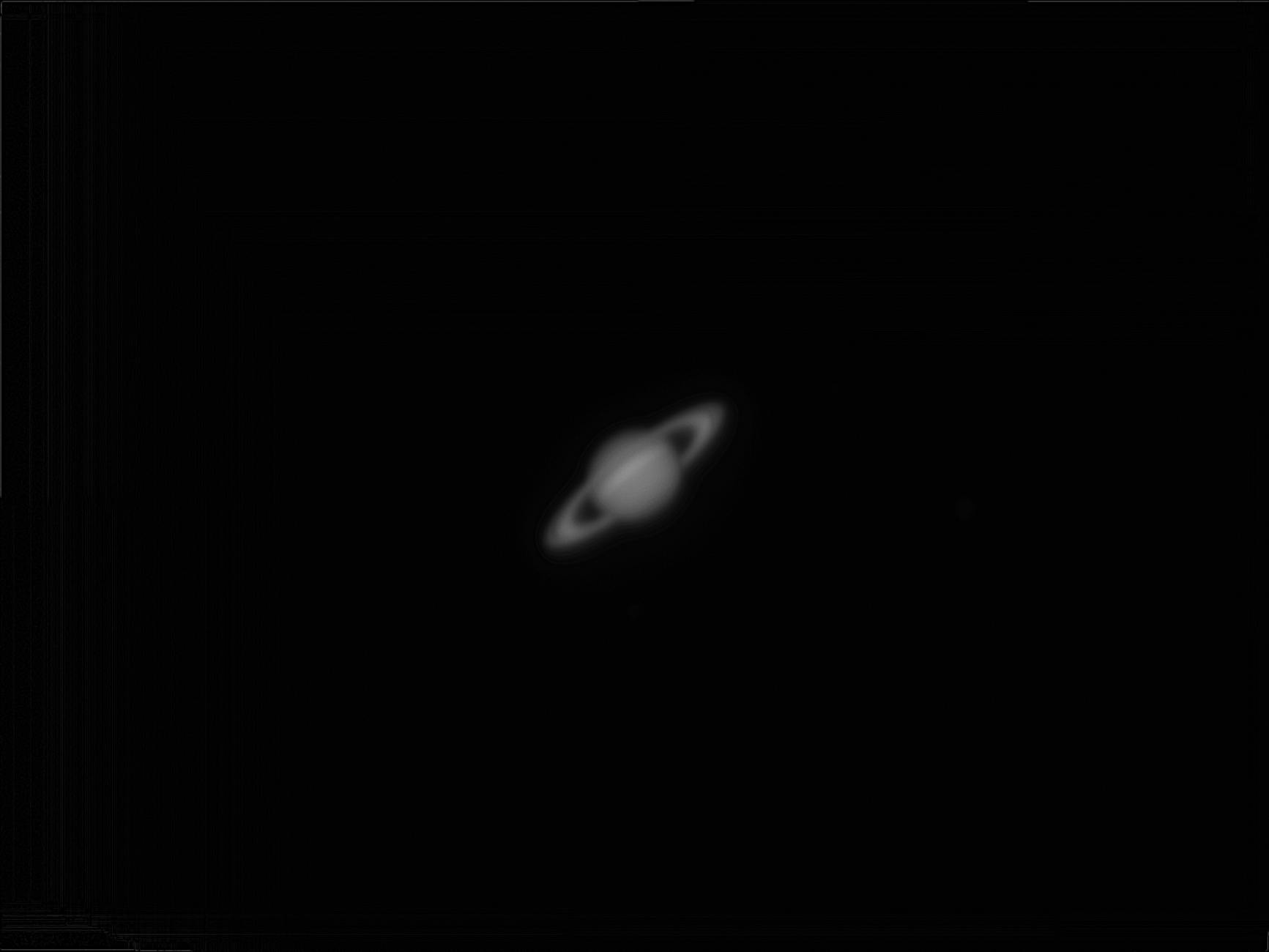
While the planets can be seen with the naked eye, using binoculars or a telescope can enhance your viewing experience and allow you to see more details, such as the rings of Saturn or the phases of Venus. Even a simple pair of binoculars can significantly improve your view.
Are there any events planned for this occasion?
Many local astronomy clubs may organize viewing events, providing telescopes and expert guidance. Check local listings or astronomy websites for more information on planned activities. Some clubs might even offer educational sessions leading up to the event, helping participants understand what they will be observing.
How often do planetary parades occur?
Planetary alignments are relatively rare, occurring only a few times a decade. The specific alignment of Mercury, Venus, Mars, Jupiter, and Saturn is particularly uncommon, making this event a unique opportunity for stargazers.
As the date approaches, excitement builds for this celestial event. Whether you’re a seasoned astronomer or a curious observer, the planetary parade on February 28 is sure to be a memorable experience that connects us all to the vast universe around us. This event not only provides a chance to witness the beauty of our solar system but also encourages us to explore and understand the science behind these magnificent occurrences.