
Planet Parade: A Celestial Show for Russia on February 28
On February 28, 2026, Russians can witness a spectacular planetary alignment. Don't miss this celestial event! Discover why it matters and what happens next.
- BackZee
- 4 min read
TL;DR 🚀
- A rare planetary alignment will be visible in Russia.
- The event takes place on February 28, 2026.
- Stargazers are encouraged to prepare for this celestial spectacle.
- The alignment includes Mercury, Venus, Mars, Jupiter, and Saturn.
- This event is a unique opportunity for both enthusiasts and casual observers.
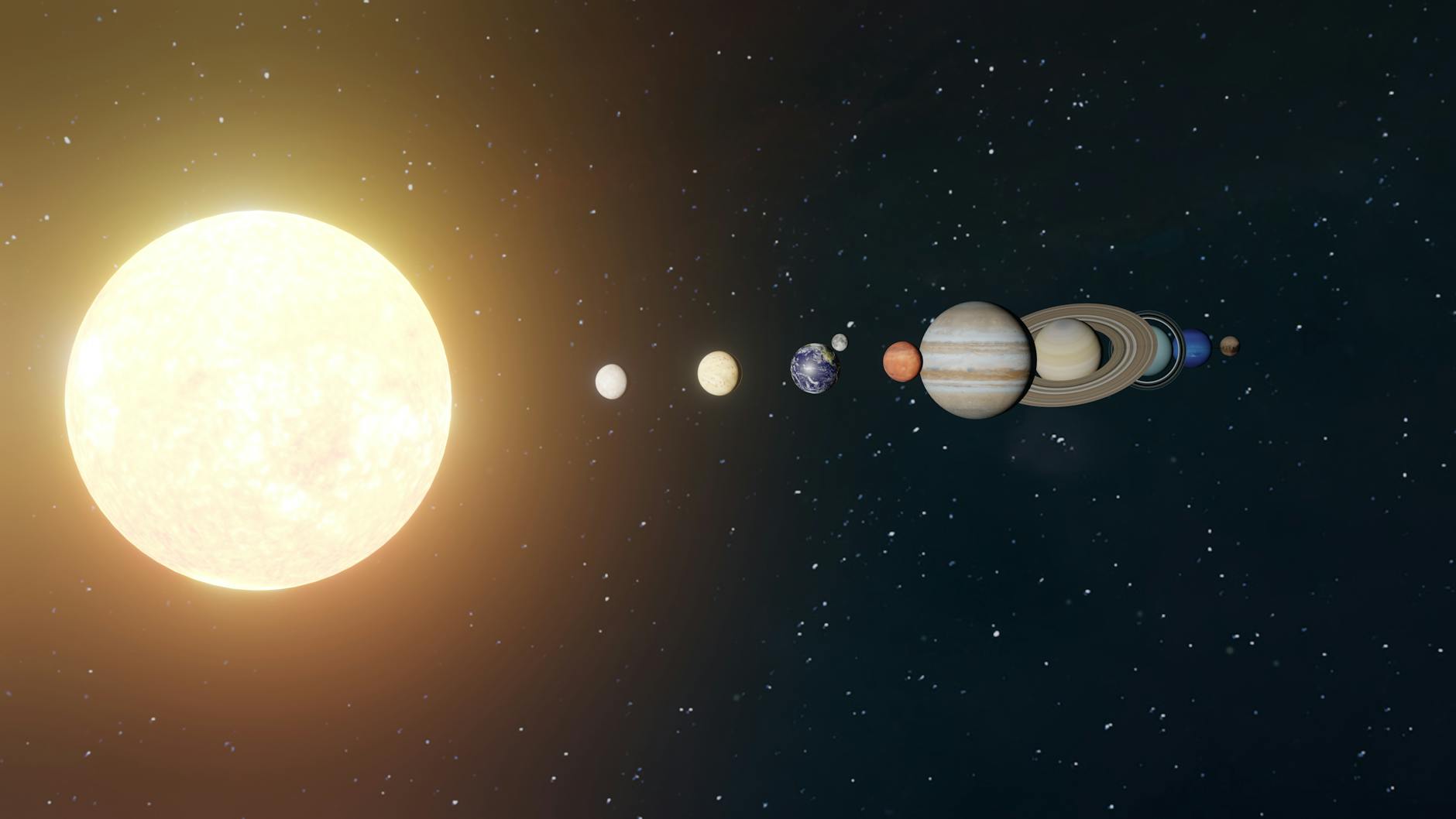
Get ready, Russia! On February 28, 2026, a stunning planet parade will grace the skies, showcasing a rare alignment of several planets. This astronomical event promises to be a visual feast for stargazers and casual observers alike.
What to Expect from the Planet Parade 🌌
This upcoming planet parade will feature a lineup of planets, including Mercury, Venus, Mars, Jupiter, and Saturn. Such alignments are not only a treat for astronomy enthusiasts but also a fantastic opportunity for anyone interested in the wonders of the universe.
During the event, the planets will appear in a straight line across the sky, making it easier for viewers to spot them. Timing is crucial; the best viewing will occur shortly after sunset when the sky is dark enough to reveal these celestial bodies.
For those who want to enhance their experience, consider using a telescope or binoculars. However, even without special equipment, the planets should be visible to the naked eye. Mark your calendars and prepare for an evening of cosmic wonder!
The Science Behind Planetary Alignments
Planetary alignments occur when planets line up in a way that they appear close together in the sky from a specific vantage point, such as Earth. This phenomenon is a result of the planets’ orbits around the Sun, which are not perfectly circular and can lead to varying distances between them.
The last major alignment of these five planets occurred in 2020, and it won’t happen again until 2033. This makes the February 28 event particularly special, as it offers a rare chance to witness such a gathering of celestial bodies.
Cultural Significance of Planetary Alignments
Throughout history, planetary alignments have held significant cultural importance. In many ancient civilizations, these events were seen as omens or messages from the gods. For example, the ancient Egyptians aligned their pyramids with celestial bodies, and the Mayans meticulously tracked planetary movements as part of their calendar system.
In Russia, the fascination with celestial events has deep roots, with many cultural references found in folklore and literature. The sight of a planet parade can evoke a sense of wonder and connection to the cosmos, inspiring both scientific inquiry and artistic expression.
Why This Event Matters 🌠
Planetary alignments are relatively rare occurrences, and they hold significance in both scientific and cultural contexts. For many, these events spark curiosity about the universe and encourage a deeper appreciation for astronomy.
Moreover, this particular alignment is noteworthy because it brings together five planets, which is a sight that won’t be seen again for several years. Events like this can inspire educational initiatives and community gatherings, as people come together to witness the beauty of the cosmos.
If you’re interested in learning more about astronomy, check out our article on the basics of stargazing for tips on how to get started!
Quick Takeaways 📌
- The planet parade will feature Mercury, Venus, Mars, Jupiter, and Saturn.
- Best viewing time is shortly after sunset on February 28.
- This event is a rare opportunity for both enthusiasts and casual observers.
- The alignment will not occur again until 2033.
- The cultural significance of such events has been recognized throughout history.
FAQ ❔
When is the best time to view the planet parade?
The optimal time for viewing the planet parade is shortly after sunset on February 28, 2026. This timing allows for the best visibility of the planets against the darkening sky.
Do I need special equipment to see the planets?
While the planets will be visible to the naked eye, using a telescope or binoculars can enhance the experience, allowing you to see more details. For example, Jupiter’s moons and Saturn’s rings can be observed with the right equipment.
How often do planetary alignments occur?
Planetary alignments happen infrequently, with significant alignments like this one occurring only a few times a decade. This makes the February 28 event particularly special for skywatchers.
What if the weather is cloudy?
Weather conditions can greatly affect visibility. If you find that the skies are cloudy on the night of the event, consider checking local astronomy clubs or online platforms for live streams of the alignment. Many organizations often broadcast such events, allowing you to experience the spectacle from the comfort of your home.
Can I photograph the planet parade?
Absolutely! If you’re interested in astrophotography, this event provides a fantastic opportunity to capture stunning images of the planets. Use a tripod for stability, and consider using a camera with manual settings to adjust exposure times for the best results.
Prepare for an unforgettable night under the stars, and don’t forget to share your experiences with friends and family!