
Lyrid Meteor Shower Peaks on April 23: What to Expect
Get ready for the Lyrid meteor shower peaking on April 23. Discover how to best view this celestial event. Discover why it matters and what happens next.
- BackZee
- 5 min read
TL;DR 🚀
- The Lyrid meteor shower will peak on the night of April 23.
- Expect up to 20 meteors per hour under optimal conditions.
- Best viewing times are after midnight until dawn.
- The Lyrids have been observed for over 2,600 years, making them one of the oldest meteor showers.
- Ideal viewing locations are dark areas away from city lights.
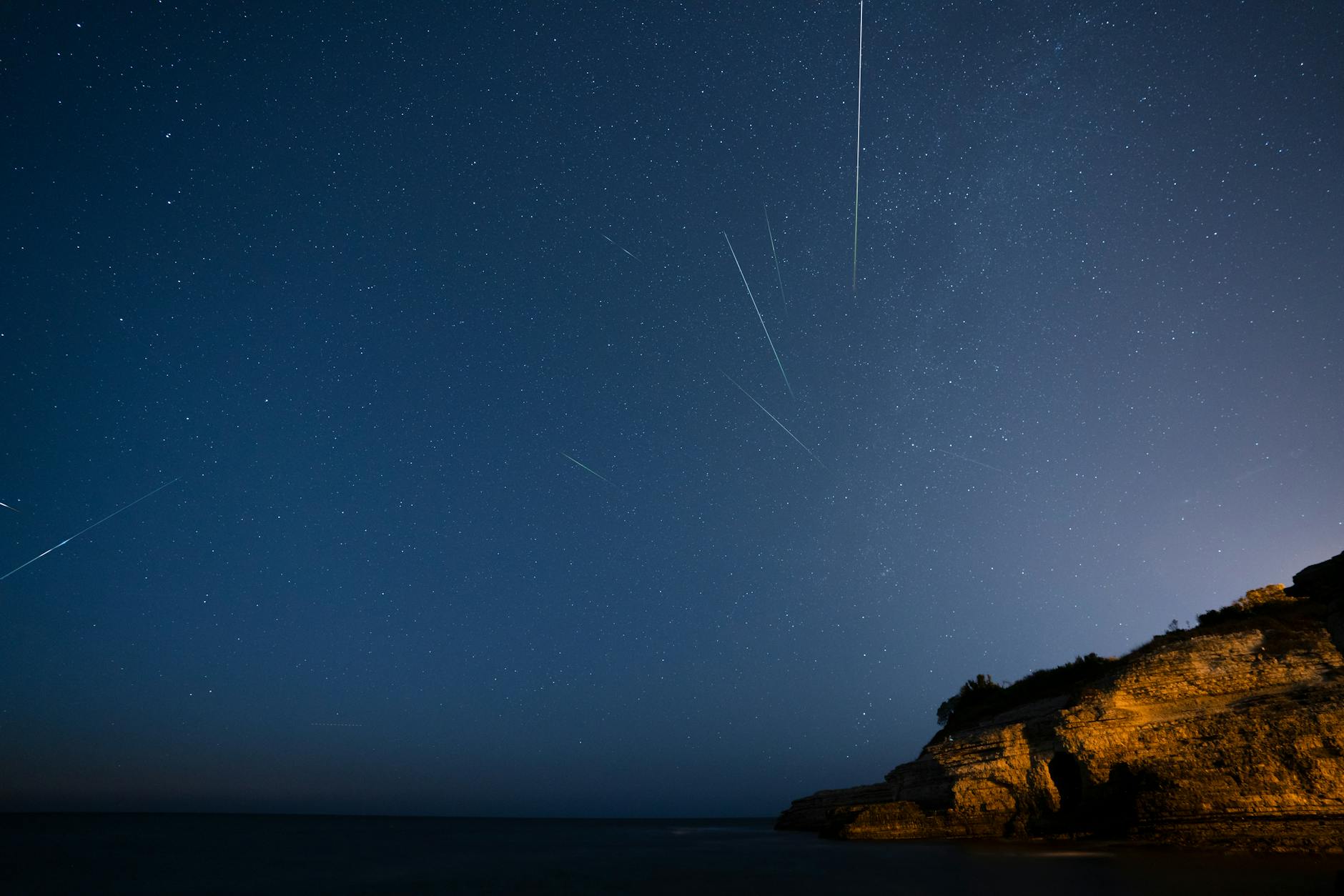
The Lyrid meteor shower is set to dazzle stargazers on the night of April 23, 2026. This annual event, known for its bright meteors, offers a fantastic opportunity to witness nature’s celestial fireworks. With the right conditions, you could see up to 20 shooting stars each hour! This year, the Lyrids promise to be particularly spectacular, as they often produce bright meteors that can leave glowing trails, known as “trains,” that linger for several seconds.
What to Know About the Lyrids 🌌
The Lyrids are one of the oldest recorded meteor showers, with observations dating back over 2,600 years. The earliest documented sighting was in 687 BC by Chinese astronomers. They originate from the comet C/1861 G1 Thatcher, which leaves behind a trail of debris that Earth passes through each April. As Earth orbits the Sun, it encounters this debris, and when these tiny particles enter our atmosphere at high speeds—around 110,000 miles per hour—they burn up, creating the stunning streaks of light we call meteors.
Historically, the Lyrids have been known for their unpredictability. While they typically produce around 20 meteors per hour, they have been known to surprise observers with outbursts of activity, sometimes reaching rates of over 100 meteors per hour. Such events, while rare, add an element of excitement to the annual shower.
Viewing conditions are crucial for a successful meteor shower experience. Ideally, find a location away from city lights, where the sky is clear and dark. The best time to catch the show is after midnight, peaking just before dawn. Bring a blanket or reclining chair to lie back and enjoy the spectacle!
The Science Behind the Show
The Lyrids are part of a larger family of meteor showers, which includes the famous Perseids and Geminids. Each meteor shower is associated with a specific comet or asteroid. The Lyrids are particularly interesting because they are one of the few meteor showers that can be traced back to a specific comet. The comet Thatcher has an orbital period of about 415 years, meaning it won’t return until the year 2276!
Tips for Stargazing 🌠
To maximize your viewing experience, consider these tips:
- Check the weather: Clear skies are essential for visibility. Use apps or websites that provide real-time weather updates.
- Dress warmly: Nights can be chilly, so layer up! Consider bringing a thermos of hot drink to keep warm while you wait.
- Be patient: Give your eyes time to adjust to the dark for better visibility. It can take up to 30 minutes for your eyes to fully adapt to low light.
- Use a star map or app: Familiarize yourself with the night sky using a star map or a stargazing app. This can enhance your experience as you identify constellations and other celestial objects.
For more insights on celestial events, check out our post on upcoming meteor showers.
Quick Takeaways 📌
- The Lyrid meteor shower peaks on April 23, 2026.
- Up to 20 meteors can be seen per hour under optimal conditions.
- Best viewing is from midnight to dawn in dark locations.
- The Lyrids have a rich history, with observations dating back over two millennia.
- Prepare with warm clothing and a comfortable viewing setup.
FAQ ❔
When is the best time to see the Lyrid meteor shower?
The optimal time to view the Lyrids is after midnight until dawn when the sky is darkest and the meteors are most visible.
How can I improve my chances of seeing meteors?
Find a dark location away from city lights, allow your eyes to adjust to the darkness, and be patient as meteors can appear sporadically. Consider using a reclining chair to keep your neck comfortable while you gaze upward.
What causes the Lyrid meteor shower?
The Lyrids are caused by Earth passing through the debris left by comet C/1861 G1 Thatcher, which burns up upon entering our atmosphere, creating bright streaks of light.
Are there any cultural references to the Lyrids?
Yes, the Lyrids have been mentioned in various historical texts and cultures. In ancient China, they were associated with the arrival of spring and were believed to be omens of good fortune. In modern times, they continue to inspire poets and artists, symbolizing hope and the beauty of the universe.
How can I photograph the Lyrid meteor shower?
To capture the Lyrids on camera, use a DSLR or mirrorless camera with a wide-angle lens. Set your camera on a tripod, use a long exposure time (around 15-30 seconds), and adjust the ISO to a higher setting (800-3200) to capture the faint light of the meteors.
As the night of April 23 approaches, prepare to immerse yourself in the wonder of the Lyrid meteor shower. This annual event is a reminder of the beauty of our universe, offering a moment of awe and reflection under the starry sky. Don’t miss out on this celestial spectacle!