
Moscow Public Transport Fares Rise: What You Need to Know
Moscow's public transport fares have increased, impacting daily commuters. Discover the details and what it means for you. Discover why it matters for Gen-Z rea
- BackZee
- 4 min read
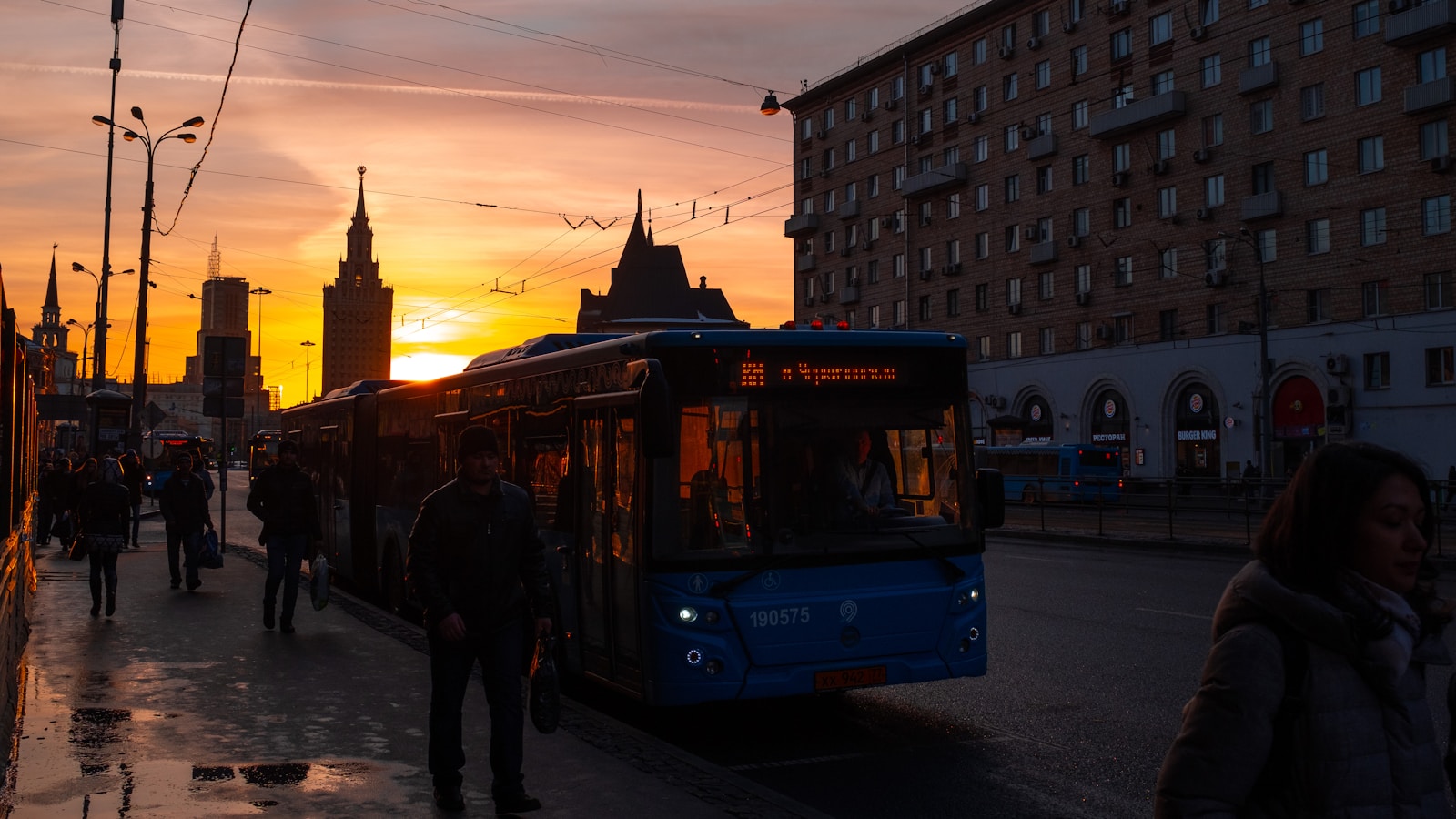
TL;DR 🚀
Make sure to check our deep dive on why this matters.
- Public transport fares in Moscow have increased recently, affecting all modes of transport.
- The rise impacts buses, trams, and metro services, leading to budget adjustments for commuters.
- Many residents are exploring alternative travel options to mitigate costs.
- Discussions about the quality of service and its relation to fare increases are becoming more prevalent.
- Staying informed about public transport options is crucial for navigating the city.
Moscow’s public transport system has recently seen a fare increase, impacting daily commuters and travelers alike. As the city continues to evolve, these changes prompt a closer look at how they affect residents and visitors in navigating the bustling urban landscape. The fare adjustments are not just numbers; they reflect the city’s ongoing efforts to improve infrastructure and service quality amidst rising operational costs.
Fare Changes in Moscow 🚍
The latest adjustments in public transport fares have raised eyebrows among locals. Buses, trams, and metro services have all seen a hike in prices, making it essential for commuters to stay informed. The new rates are now in effect, and many are feeling the pinch in their wallets.
For instance, the cost of a single metro ride has jumped from 55 rubles to 70 rubles, which has led to discussions about the overall affordability of public transport in the city. Monthly passes and other options are still available, but many are reconsidering their travel habits due to the increased costs.
- Single metro ride: Increased fare from 55 to 70 rubles
- Monthly passes: Remain available at a higher rate, now costing 2,200 rubles
- Buses and trams: Also affected, with single fares rising to 60 rubles
This fare increase is part of a broader trend seen in many major cities worldwide, where rising operational costs necessitate adjustments in public transport pricing. According to a recent report, Moscow’s public transport system serves over 9 million passengers daily, making it one of the busiest in the world. The fare hike aims to ensure that the system can continue to operate efficiently and sustainably.
Impact on Commuters 📈
With the fare increase, many residents are reassessing their daily travel expenses. Commuters are exploring alternative options, such as carpooling or biking, to mitigate the financial impact. This shift may lead to a noticeable change in traffic patterns around the city.
For example, bike-sharing programs have seen a surge in usage, with reports indicating a 30% increase in registrations since the fare hike announcement. Additionally, carpooling apps are gaining traction, as commuters seek to share rides and reduce individual travel costs.
Moreover, the fare hike has sparked conversations about the quality of service provided by public transport. Many are questioning whether the increased costs will lead to improvements in service frequency and reliability. As the city expands, ensuring that public transport keeps pace with demand is crucial.
A survey conducted by the Moscow Transport Authority revealed that 65% of respondents believe that higher fares should correlate with better service quality. Commuters are particularly concerned about overcrowding during peak hours and the maintenance of aging infrastructure.
For those interested in more details on public transport options, check out our post on /posts/moscow-transport-options.
Quick Takeaways 📌
- Fare increases affect all modes of public transport in Moscow, with metro rides seeing the most significant hike.
- Commuters are exploring alternative travel methods, such as biking and carpooling, to offset costs.
- Discussions about service quality and its relation to fare increases are on the rise, with many expecting improvements.
- The fare hike reflects broader trends in urban transport systems worldwide, driven by rising operational costs.
FAQ ❔
Why have public transport fares increased in Moscow?
The fare increase is part of a broader strategy to improve the public transport system and address rising operational costs. The city aims to enhance service quality and maintain infrastructure as ridership continues to grow.
How much have the fares increased?
The exact increase varies by mode of transport, with metro rides seeing the most significant hike from 55 to 70 rubles. Buses and trams have also seen increases, with single fares now at 60 rubles.
What alternatives do commuters have?
Commuters can consider options like biking, carpooling, or using ride-sharing services to offset the increased costs of public transport. The rise of bike-sharing programs and carpooling apps offers viable alternatives for many.
Will the fare increase lead to better service?
Many commuters hope that the fare increase will correlate with improvements in service frequency and reliability. The city has indicated that part of the revenue from the fare hike will be reinvested into upgrading infrastructure and expanding services.
How can I stay updated on public transport changes?
To stay informed about public transport options and fare changes in Moscow, consider following official city transport channels, subscribing to local news outlets, and checking community forums for real-time updates.
As Moscow continues to grow, these fare changes reflect the ongoing challenges and adjustments within the city’s public transport system. It’s essential for residents and visitors alike to stay informed and adapt to these changes as they navigate the vibrant streets of Moscow.