
Moscow Tram Routes Get Colorful Makeover for Easy Navigation
Moscow introduces color-coded tram routes T1 and T2 for better passenger navigation. Learn how this change enhances the commuting experience.
- BackZee
- 5 min read
TL;DR 🚀
Make sure to check our deep dive on why this matters.
- Moscow’s tram routes T1 and T2 now feature color-coded indicators.
- T1 is marked in green and T2 in red for easier identification.
- The changes aim to enhance passenger navigation and comfort.
- T2 is the longest tram route in the world, measuring 33 kilometers.
- The initiative reflects a broader trend towards modernizing public transport in urban areas.
In a bid to improve public transport, Moscow has rolled out color-coded indicators for its tram routes T1 and T2. This innovative approach is designed to make it easier for passengers to identify their routes at a glance, enhancing the overall commuting experience in the bustling city. The introduction of color-coded routes is part of a larger initiative to modernize Moscow’s public transportation system, which has been a crucial part of the city’s infrastructure for over a century.
Color-Coded Routes 🌈
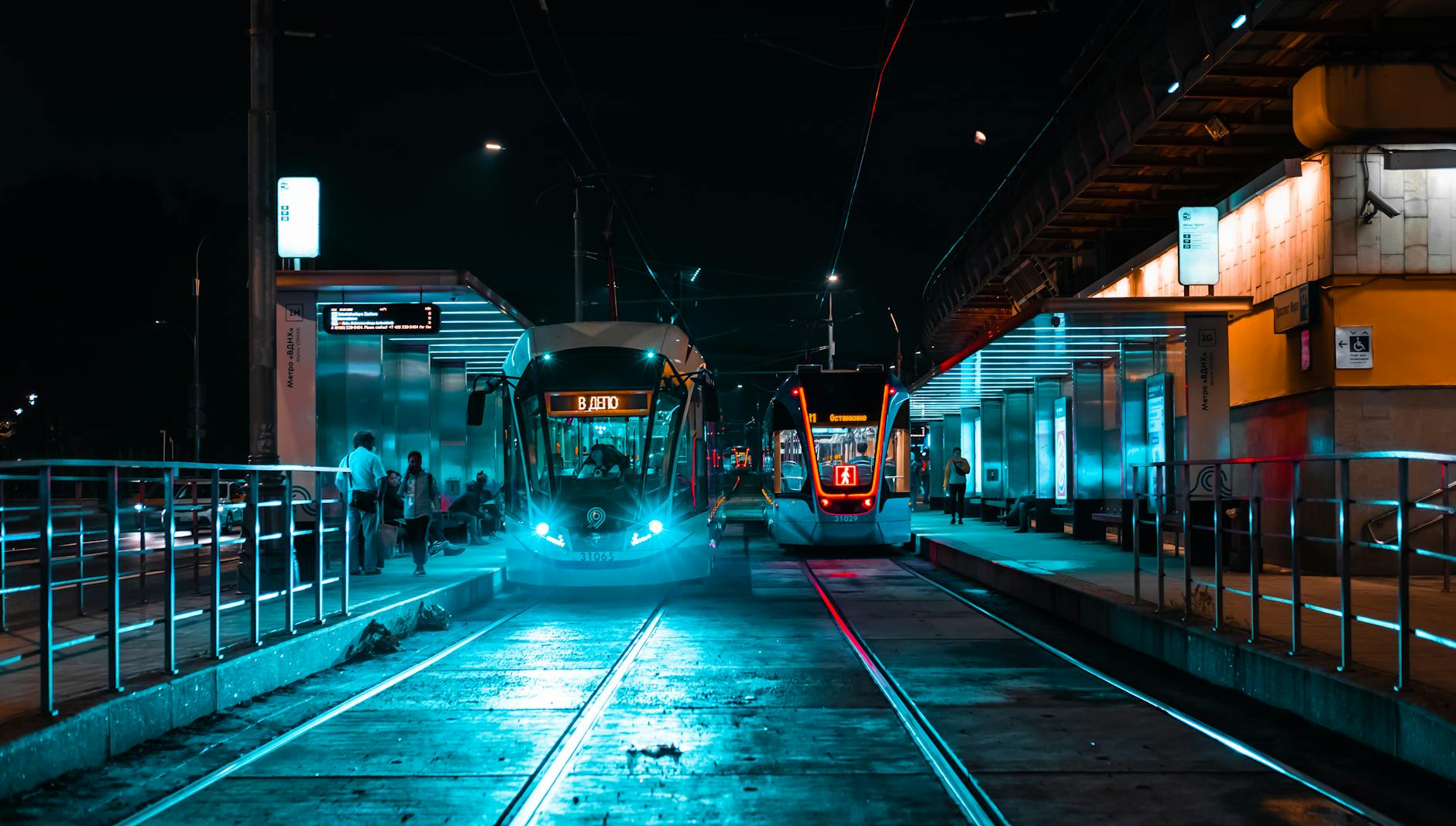
The new system marks a significant step in modernizing Moscow’s tram network. Route T1 is now represented by a vibrant green, while route T2 is highlighted in a bold red. According to Maxim Liksutov, the Deputy Mayor, this is the first time in the city’s history that such a color-coded display has been implemented. With 100 trams equipped with these new indicators, passengers can now spot their desired route before boarding, making their journeys smoother and more efficient.
This initiative not only simplifies navigation but also adds a splash of color to the urban landscape. The illumination format used in trams like the “Lion Cub-Moscow” enhances visibility both inside and outside the vehicles. Meanwhile, the “Vityaz-Moscow” model features this lighting solely within the cabin, ensuring passengers can easily identify their tram even in crowded settings. The bright colors serve not only a functional purpose but also contribute to the aesthetic appeal of the trams, making them more inviting to passengers.
Cultural Insights
Moscow’s tram system has a rich history, dating back to 1899 when the first tram lines were introduced. Over the years, trams have become an integral part of daily life for millions of Muscovites. The color-coding initiative resonates with the city’s vibrant culture, where art and design often intersect with functionality. This modernization effort reflects a growing global trend in urban transport systems, where cities are increasingly adopting user-friendly features to enhance the commuter experience.
Expanding the Tram Network 🚋
As of April 2026, Moscow boasts two tram diameters that stretch nearly 60 kilometers in total. Notably, route T2 has become the longest tram route in the world, measuring an impressive 33 kilometers. This expansion reflects the city’s commitment to enhancing public transport options and reducing congestion on the roads. The T2 route connects several key districts, making it a vital artery for commuters traveling across the city.
Interestingly, the introduction of these color-coded routes comes at a time when the use of electric scooters has surged in Moscow. In just two weeks since the start of the season, residents have taken 1.5 million rides on electric scooters, indicating a growing trend towards alternative modes of transportation. This shift towards diverse transport options is part of a broader strategy to promote sustainable urban mobility, reducing reliance on personal vehicles and minimizing traffic congestion.
Statistics and Impact
According to recent studies, cities that implement user-friendly public transport systems see a 20% increase in ridership. The color-coded tram routes are expected to attract more passengers, particularly tourists and those unfamiliar with the city’s transport network. By simplifying navigation, Moscow aims to enhance the overall experience for both residents and visitors, potentially leading to increased economic activity in areas served by the tram lines.
Quick Takeaways 📌
- T1 and T2 routes are now color-coded for easier navigation.
- The initiative includes 100 trams with new indicators.
- T2 is the longest tram route globally at 33 kilometers.
- The color-coding enhances the aesthetic appeal of the trams.
- The initiative aligns with global trends in urban transport modernization.
FAQ ❔
Why were color-coded indicators introduced for tram routes?
The introduction of color-coded indicators aims to improve passenger navigation and make it easier for commuters to identify their routes quickly. This initiative enhances the overall travel experience in Moscow’s public transport system, particularly for those who may be new to the city or unfamiliar with the tram network.
How do the new indicators work?
Each tram route is assigned a specific color—green for T1 and red for T2. These colors are displayed prominently on the trams, allowing passengers to spot their desired route from a distance. This visual cue significantly reduces the time and effort needed to find the correct tram, especially during peak hours when trams are crowded.
What other changes are happening in Moscow’s public transport?
In addition to the color-coded tram routes, there has been a notable increase in the use of electric scooters, with residents making millions of rides in just a short period. This reflects a broader trend towards more sustainable and efficient urban mobility solutions in the city. Furthermore, Moscow is investing in expanding its metro system and integrating various modes of transport to create a seamless commuting experience.
How has the public reacted to the color-coded tram routes?
Initial feedback from passengers has been overwhelmingly positive. Many commuters appreciate the ease of navigation and the vibrant colors that brighten their daily travel. Social media platforms have seen a surge in posts celebrating the new tram designs, indicating a strong community support for the initiative.
Are there plans for further modernization of the tram system?
Yes, city officials have indicated that the color-coding initiative is just the beginning. Future plans include upgrading tram infrastructure, introducing more eco-friendly vehicles, and expanding the network to cover underserved areas of the city. The goal is to create a comprehensive and efficient public transport system that meets the needs of all residents.