
Moscow Unveils World's Longest Tram Route: A New Era in Transit
Moscow has launched the world's longest tram route, the T2, revolutionizing urban transport in the city. Discover why it matters and what happens next.
- BackZee
- 5 min read
TL;DR 🚀
Make sure to check our deep dive on why this matters.
- Moscow introduces the T2 tram route, the longest globally.
- The new line enhances urban connectivity and reduces travel time.
- This initiative reflects the city’s commitment to modern public transport.
- The T2 is expected to significantly lower carbon emissions.
- Enhanced connectivity is likely to stimulate local economies.
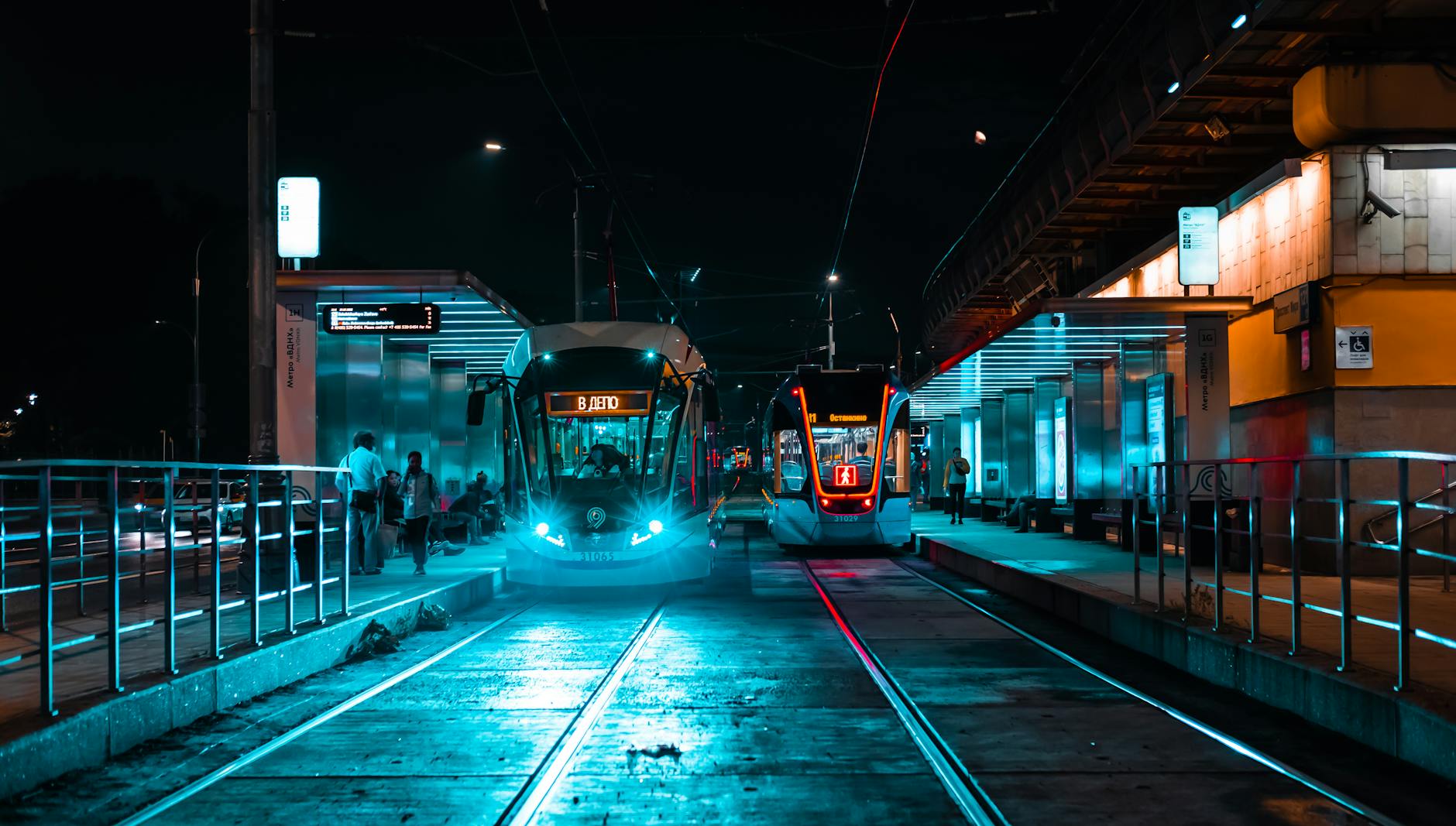
Moscow has made headlines with the launch of the T2 tram route, now recognized as the longest in the world. This ambitious project, announced by the city’s Department of Transport, aims to transform urban mobility and improve the daily commute for thousands of residents. The T2 tram route stretches over 60 kilometers (approximately 37 miles), surpassing the previous record held by the tram network in Melbourne, Australia.
A New Milestone in Urban Transit 🚋
The T2 tram route stretches an impressive length, connecting various districts across the city. This extensive network not only facilitates easier access to key areas but also promotes a more sustainable mode of transportation. With the T2, Moscow is setting a benchmark for other cities looking to enhance their public transport systems.
The route is designed to accommodate a high volume of passengers, making it a vital artery for the city’s transportation framework. By integrating modern technology and efficient scheduling, the T2 aims to reduce congestion and provide a reliable alternative to cars and buses. The trams are equipped with state-of-the-art features, including real-time tracking, Wi-Fi access, and comfortable seating, ensuring a pleasant commuting experience.
Historical Context
Trams have been a part of Moscow’s urban landscape since the late 19th century. The first tram line was inaugurated in 1899, and since then, the tram network has evolved significantly. The introduction of the T2 route represents not only a technological advancement but also a return to the city’s roots in public transport. This new line is a testament to Moscow’s commitment to revitalizing its historic tram system while embracing modern infrastructure.
Why the T2 Matters 🌍
The introduction of the T2 tram route is more than just a transportation upgrade; it’s a strategic move towards sustainability. As cities worldwide grapple with traffic congestion and pollution, Moscow’s initiative stands out as a proactive approach to urban planning. The T2 is expected to significantly lower carbon emissions by encouraging residents to opt for public transport over personal vehicles. According to estimates, the T2 could reduce carbon emissions by up to 15% in the areas it serves.
Moreover, the T2 route connects several key locations, including business districts, educational institutions, and recreational areas. This enhanced connectivity is likely to stimulate local economies and improve the overall quality of life for residents. For instance, the tram line connects the bustling area of Tverskaya Street, known for its shopping and dining, with the tranquil Gorky Park, a popular recreational destination.
Cultural Insights
Public transport in Moscow is not just a means of getting from point A to point B; it is a cultural experience. The T2 tram route is expected to become a social hub where residents can interact, share stories, and experience the vibrant life of the city. The design of the trams incorporates elements of Russian art and culture, making each ride a unique journey through Moscow’s rich heritage.
Quick Takeaways 📌
- The T2 tram route is the longest in the world, enhancing urban connectivity.
- It promotes sustainable transport and reduces environmental impact.
- The route connects major city areas, boosting local economies.
- The T2 is equipped with modern amenities for passenger comfort.
- Historical significance and cultural integration are key aspects of the T2.
FAQ ❔
What is the length of the T2 tram route?
The T2 tram route spans an impressive distance of over 60 kilometers (approximately 37 miles), making it the longest in the world, specifically designed to cater to the needs of Moscow’s residents.
How does the T2 improve public transport in Moscow?
By providing a reliable and efficient alternative to cars, the T2 aims to reduce traffic congestion and promote sustainable urban mobility. The integration of modern technology ensures that passengers can enjoy a seamless travel experience.
What are the expected benefits of the T2 tram route?
The T2 is expected to enhance connectivity, stimulate local economies, and contribute to a reduction in carbon emissions, aligning with global sustainability goals. Additionally, the tram route is anticipated to improve access to essential services and recreational areas.
How does the T2 compare to other public transport options in Moscow?
The T2 tram route complements existing public transport options, including the metro and buses, by providing an alternative that is often less congested and more environmentally friendly. It is designed to integrate smoothly with other forms of transport, creating a cohesive urban mobility network.
Will the T2 tram route be accessible for all passengers?
Yes, the T2 tram route is designed with accessibility in mind. The trams are equipped with features to accommodate passengers with disabilities, ensuring that everyone can benefit from this new mode of transport.
In conclusion, the launch of the T2 tram route marks a significant step forward for Moscow’s public transport system. As cities continue to evolve, initiatives like this one will play a crucial role in shaping the future of urban mobility. With its focus on sustainability and efficiency, the T2 is not just a new tram line; it’s a vision for a greener, more connected city. The T2 tram route is poised to become a vital part of Moscow’s urban fabric, influencing how residents navigate their city for years to come.