
Catch a Glimpse of Mercury: Moscow's Celestial Event on Feb 19
On February 19, Moscow residents can witness Mercury in the night sky. Don't miss this rare celestial event! Discover why it matters and what happens next.
- BackZee
- 5 min read
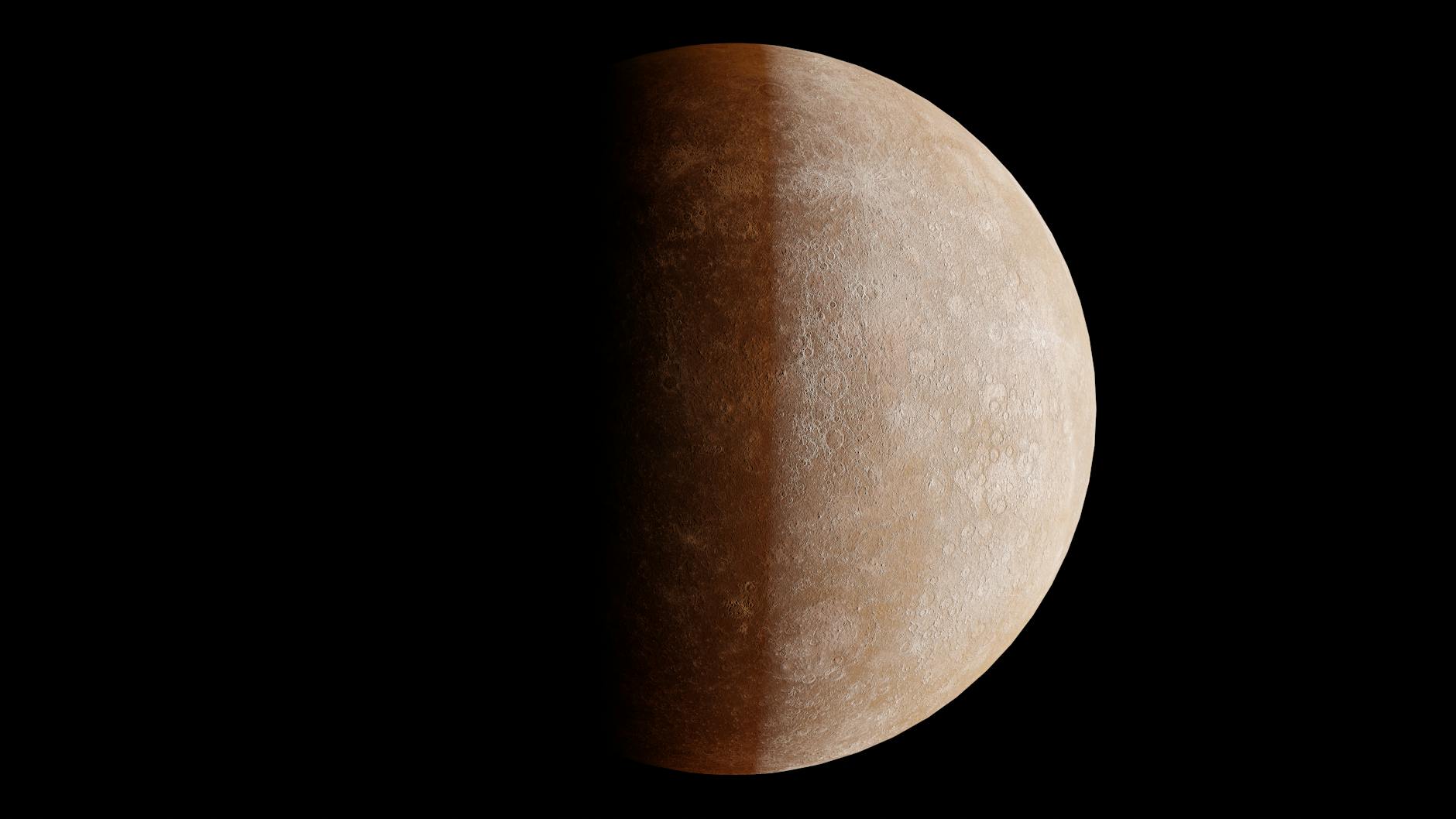
TL;DR 🚀
Make sure to check our deep dive on why this matters.
- Mercury will be visible in Moscow on February 19.
- The best viewing time is just after sunset.
- This event is a rare opportunity for stargazers.
- Clear skies and a good vantage point are essential for optimal viewing.
- Bring binoculars for an enhanced experience.
On February 19, residents of Moscow will have a unique chance to see Mercury shining in the night sky. This celestial event is a must-see for astronomy enthusiasts and casual stargazers alike, offering a glimpse of one of our solar system’s most elusive planets. Mercury’s visibility is a rare occurrence, making this event particularly special for those who appreciate the wonders of the cosmos.
What to Expect from the Celestial Show 🌌
On this special evening, Mercury will be at its greatest elongation, making it easier to spot against the backdrop of twilight. The planet will appear low on the western horizon shortly after sunset, providing a perfect opportunity for those eager to catch a glimpse of this elusive planet.
To make the most of this event, find a location with a clear view of the horizon, away from city lights. Binoculars or a small telescope can enhance the experience, but even the naked eye can spot Mercury if conditions are right.
Viewing Tips:
- Check the weather forecast for clear skies. Cloud cover can obstruct your view, so it’s essential to monitor local weather conditions leading up to the event.
- Arrive early to settle in before sunset. This allows you to get comfortable and prepare your equipment without the rush.
- Bring a friend to share the experience! Stargazing is often more enjoyable when shared, and you can help each other spot the planet.
Historical Context of Mercury Observations
Mercury has been observed since ancient times, with records dating back to the Babylonians around 3000 BC. The planet was named after the Roman messenger god due to its swift movement across the sky. In various cultures, Mercury has been associated with communication and travel, making its visibility a significant event for many.
In modern astronomy, Mercury’s unique characteristics, such as its extreme temperature fluctuations and lack of atmosphere, make it a subject of interest for scientists. Understanding Mercury can provide insights into the formation of our solar system and the conditions of other celestial bodies.
Why Mercury is Special 🌠
Mercury, the closest planet to the Sun, is often difficult to observe due to its proximity. It orbits the Sun in just 88 Earth days, which contributes to its fleeting appearances in our sky. During this event, Mercury will shine brightly, making it a standout feature against the dusky backdrop of the evening sky.
For those interested in astronomy, this is a fantastic opportunity to learn more about our solar system. You can explore more about celestial events and how to observe them on our related post about stargazing tips at /posts/stargazing-tips.
Fun Facts About Mercury
- Size and Distance: Mercury is the smallest planet in our solar system, with a diameter of about 4,880 kilometers (3,032 miles). It is approximately 57.91 million kilometers (36 million miles) away from the Sun.
- Temperature Extremes: Mercury experiences the most extreme temperature variations of any planet in the solar system, ranging from -173°C (-280°F) at night to 427°C (800°F) during the day.
- No Moons: Unlike Earth and many other planets, Mercury has no natural satellites. This lack of moons contributes to its unique visibility patterns.
Quick Takeaways 📌
- Mercury is visible on February 19 in Moscow.
- Best viewed shortly after sunset.
- Ideal for both amateurs and seasoned astronomers.
- Historical significance adds depth to the viewing experience.
- Prepare for the event by checking weather and location.
FAQ ❔
When is the best time to see Mercury?
The optimal viewing time is just after sunset on February 19. Mercury will be low on the western horizon, making it easier to spot.
Do I need special equipment to see Mercury?
While you can see Mercury with the naked eye, using binoculars or a telescope can enhance your viewing experience and provide a clearer image of the planet. Binoculars can help you distinguish Mercury from stars and other celestial objects.
Is this event common?
No, Mercury’s visibility is relatively rare due to its orbit. This event presents a unique opportunity for those interested in astronomy to observe the planet in the night sky. Mercury is often lost in the Sun’s glare, making such sightings infrequent.
How can I prepare for the event?
To prepare for the event, ensure you have a clear view of the horizon, check the weather forecast for optimal conditions, and consider bringing along a star chart or a stargazing app to help identify Mercury and other celestial bodies in the vicinity.
In conclusion, mark your calendars for February 19 and prepare for an enchanting evening under the stars. Whether you’re an astronomy buff or just looking for a fun night out, witnessing Mercury’s appearance is an experience you won’t want to miss! This celestial event not only offers a chance to appreciate the beauty of our universe but also connects us to the rich history of human observation of the night sky.