
Interstellar Comet 3I/ATLAS to Shine Over Moscow This November
Mark your calendars! Interstellar Comet 3I/ATLAS will be visible from Moscow in early November, offering a celestial spectacle. Discover why it matters for Gen-
- BackZee
- 4 min read
TL;DR 🚀
Make sure to check our deep dive on why this matters.
- Interstellar Comet 3I/ATLAS will be closest to the Sun on October 29.
- Moscow residents can catch a glimpse of this cosmic traveler in early November.
- The comet’s unique journey offers a rare opportunity for stargazers.
- Expect a bright display as the comet approaches the Sun, enhancing visibility.
- This event marks a significant moment in astronomy, being the first interstellar comet discovered.
Get ready, Moscow! The interstellar comet 3I/ATLAS is set to grace our skies in early November, providing a spectacular view for astronomy enthusiasts and casual stargazers alike. This celestial event is not just another night under the stars; it’s a chance to witness a visitor from beyond our solar system.
What to Expect from 3I/ATLAS 🌌
As reported by TASS, the comet will make its closest approach to the Sun on October 29, coming within 1.36 astronomical units (AU) of our star. To put this in perspective, one astronomical unit is the average distance from the Earth to the Sun, approximately 93 million miles (150 million kilometers). This proximity will enhance its visibility, making it easier for those in Moscow to spot it in the night sky. Astronomers anticipate that the comet will become brighter as it nears the Sun, creating an exciting opportunity for observation.
The best time to view 3I/ATLAS will be during the first week of November. Stargazers should look towards the western horizon after sunset for the best chance to catch this interstellar wonder. It’s a rare event, as comets like 3I/ATLAS are not frequent visitors to our solar neighborhood. In fact, the last time an interstellar object was detected was with `Oumuamua in 2017, which sparked widespread interest and debate among scientists regarding its origins and nature.
The Science Behind Comets
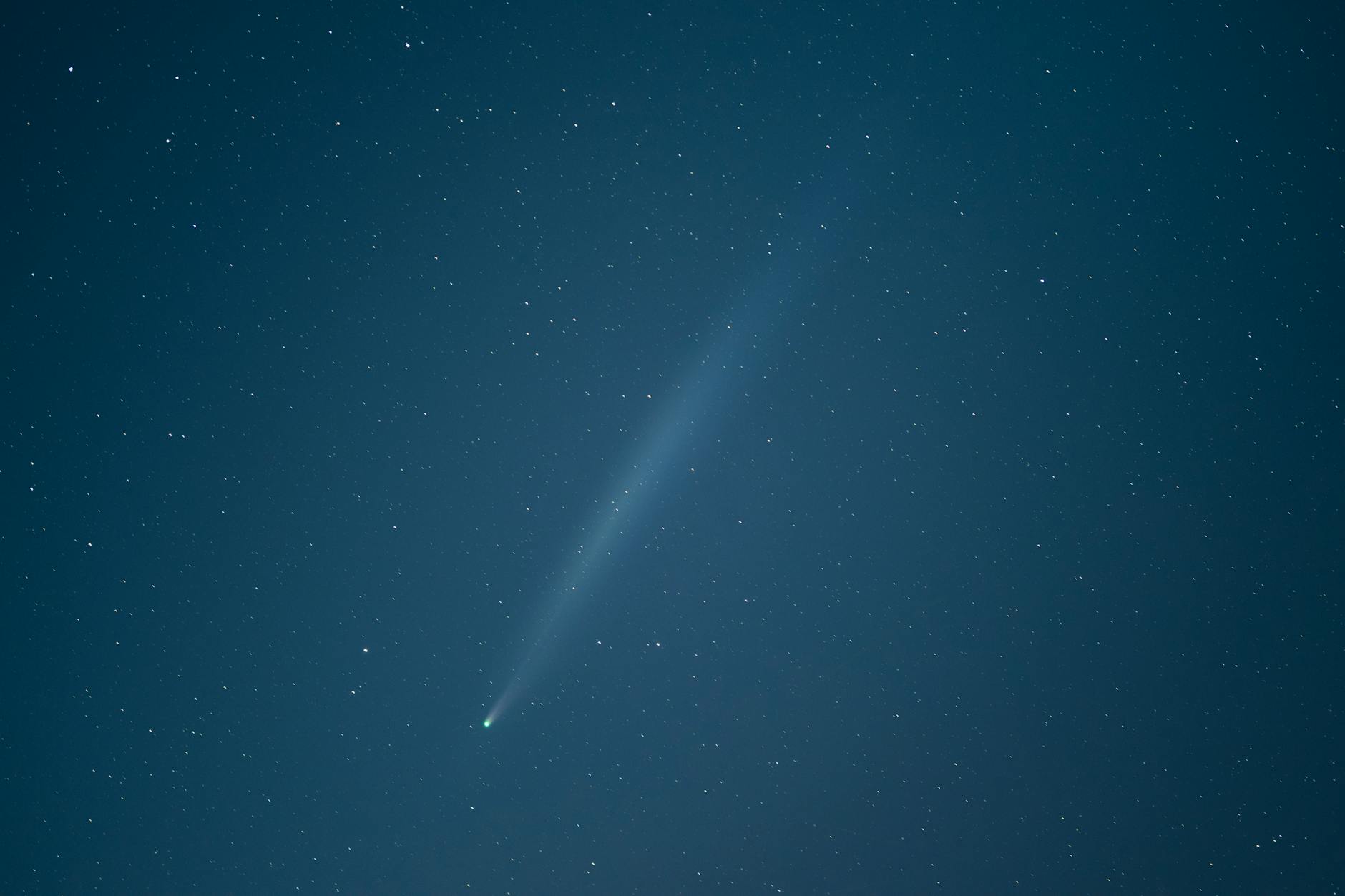
For those interested in the science behind comets, 3I/ATLAS offers a unique glimpse into the materials that make up these cosmic travelers. Comets are often described as “dirty snowballs,” composed of ice, dust, and rocky materials. As it approaches the Sun, the heat will cause the comet’s ices to vaporize, creating a glowing coma and tail that can be seen from Earth. This phenomenon is what makes comets so visually stunning and scientifically valuable.
The tail of a comet can stretch for millions of kilometers and is formed by solar wind and radiation pressure pushing the gas and dust away from the comet’s nucleus. Observing this process can provide insights into the early solar system and the building blocks of planets. The study of comets like 3I/ATLAS can help astronomers understand the primordial materials that contributed to the formation of our own planet.
Cultural Significance of Comets
Throughout history, comets have held significant cultural importance across various civilizations. In ancient times, they were often seen as omens or harbingers of change. For instance, Halley’s Comet, which appears approximately every 76 years, has been documented for over 2,000 years and has been associated with numerous historical events. In many cultures, the appearance of a comet was interpreted as a sign from the gods, often linked to impending doom or significant transformations.
In modern times, however, the perception of comets has shifted from superstition to scientific curiosity. The excitement surrounding 3I/ATLAS is a testament to humanity’s ongoing quest to understand the universe and our place within it. This comet serves as a reminder of the vastness of space and the mysteries that still await discovery.
Quick Takeaways 📌
- 3I/ATLAS is the first interstellar comet discovered.
- The comet’s closest approach to the Sun is on October 29.
- Expect optimal viewing conditions in early November from Moscow.
- The comet’s tail and coma will be visible as it approaches the Sun.
- Comets have played significant roles in cultural history and scientific research.
FAQ ❔
When will 3I/ATLAS be visible from Moscow?
The comet will be best viewed in early November, particularly during the first week after its closest approach to the Sun on October 29.
How can I see the comet?
Look towards the western horizon after sunset for the best chance to spot 3I/ATLAS. Binoculars or a telescope may enhance your viewing experience, but it should be visible to the naked eye as well.
Why is 3I/ATLAS significant?
3I/ATLAS is notable for being the first comet identified as originating from outside our solar system, providing valuable insights into the composition of interstellar materials. Its study can help astronomers understand the conditions of the early solar system.
What should I do if I miss the comet?
If you miss the comet, don’t be discouraged! There are many other celestial events throughout the year, including meteor showers, planetary alignments, and lunar eclipses. Staying informed through astronomy apps or local observatories can help you catch the next big event.
As we gear up for this cosmic event, it’s a reminder of the wonders that lie beyond our planet. Whether you’re an avid astronomer or just someone who enjoys a beautiful night sky, the appearance of 3I/ATLAS is an opportunity not to be missed. So grab your friends, head outside, and enjoy the show!