
Massive Snowdrifts: The Regions with the Biggest Snow Piles in Russia
Discover which regions in Russia are experiencing record-breaking snowdrifts this winter, according to weather expert Evgeny Tishkovets. Discover why it matters
- BackZee
- 5 min read
TL;DR 🚀
Make sure to check our deep dive on why this matters.
- Major snowdrifts reported across multiple Russian regions.
- Kirov, Nizhny Novgorod, and Ryazan lead the pack.
- Expert Evgeny Tishkovets shares insights on this winter’s weather.
- Heavy snowfall poses risks to infrastructure and public safety.
- Community preparedness is crucial for navigating winter challenges.
This winter, Russia is witnessing some extraordinary snowdrifts, with certain regions experiencing record-breaking accumulations. According to Evgeny Tishkovets, a leading specialist from the Phobos weather center, areas like Kirov, Nizhny Novgorod, and Ryazan are at the forefront of this snowy phenomenon. The situation is not just a seasonal occurrence; it reflects broader climatic changes impacting the region.
Regions with Record Snowfall ❄️
The winter of 2026 has brought unprecedented snowfall to various parts of Russia. Tishkovets highlighted that Kirov, Nizhny Novgorod, and Ryazan have become notable for their towering snowdrifts. These regions are not just dealing with typical winter conditions; they are facing giant snow piles that could impact daily life and transportation.
Kirov
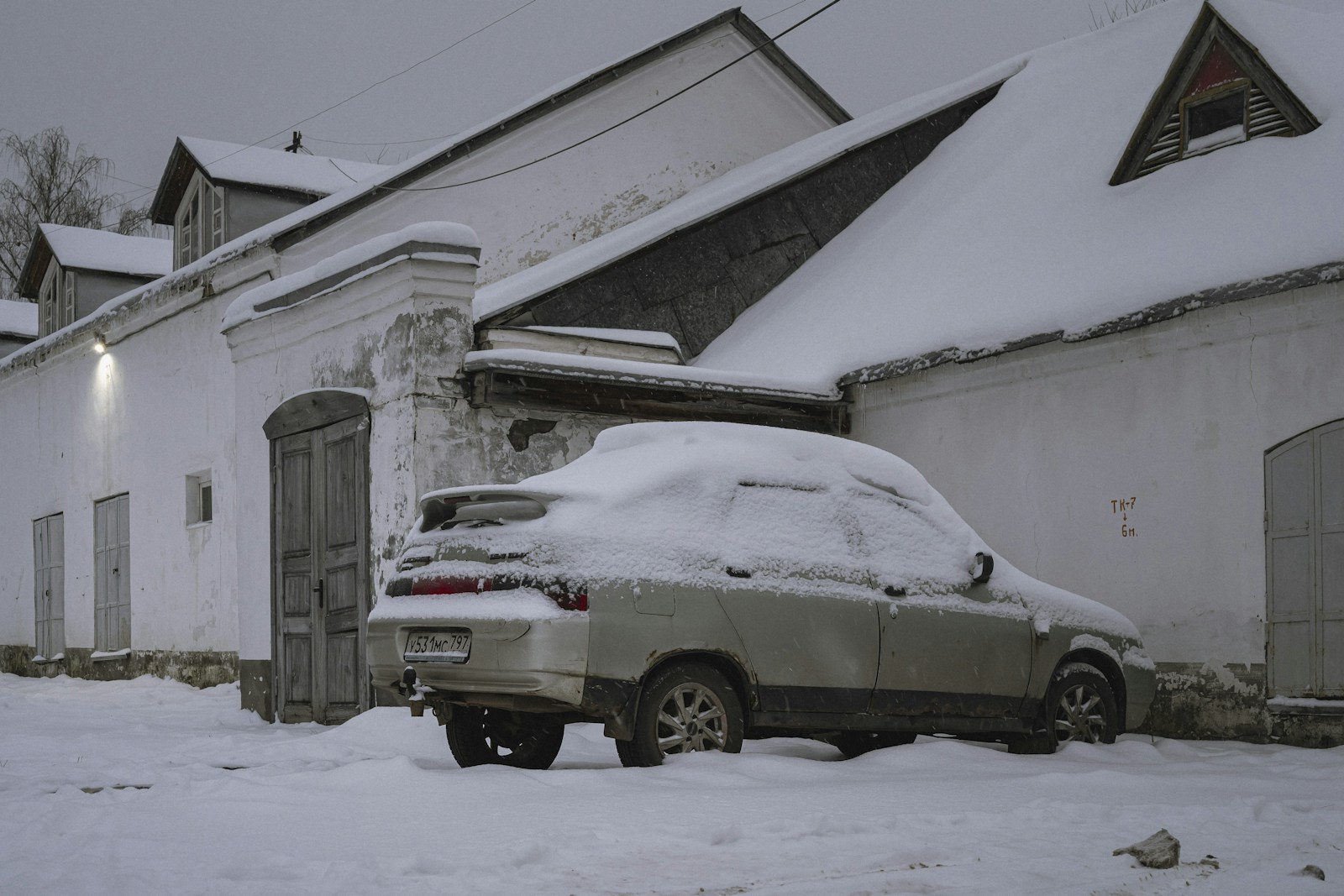
Kirov, located in the European part of Russia, is known for its picturesque winter landscapes. However, this year, it is grappling with snowdrifts that have reached alarming heights, some reported to be over 2 meters in certain areas. The local government has mobilized resources to clear roads and ensure safety, but the sheer volume of snow has made this a daunting task. Residents have taken to social media to share images of their snow-covered homes, with some even building snow forts in their yards.
Nizhny Novgorod
A major city with a rich history, Nizhny Novgorod is now buried under layers of snow, affecting both residents and businesses. The city, which is a significant economic hub, has seen disruptions in public transport services, with buses and trams running late or being canceled altogether. Local businesses are struggling to keep their doors open, and many have resorted to offering delivery services to reach customers. The city’s famous Kremlin, a UNESCO World Heritage site, is now surrounded by a winter wonderland, drawing tourists despite the challenging conditions.
Ryazan
This area is also facing challenges as snow continues to pile up, making it difficult for locals to navigate. The regional authorities have issued warnings about potential avalanches in hilly areas, and emergency services are on high alert. Schools have been closed intermittently, and parents are advised to keep children indoors during severe weather. Ryazan’s community spirit shines through as neighbors help each other clear driveways and share snow removal equipment.
In addition to these areas, other regions such as Bashkortostan, Perm Krai, Tatarstan, and Udmurtia are also experiencing significant snow accumulation. The sheer volume of snow has raised concerns about infrastructure and safety, as heavy snow can lead to disruptions in transportation and power supply.
The Impact of Heavy Snowfall 🌨️
The implications of these massive snowdrifts extend beyond just the aesthetic appeal of winter. Tishkovets warns that such conditions can lead to increased risks for residents. Roads may become impassable, and public transport could face delays or cancellations.
Moreover, the weight of the snow can pose a threat to buildings and structures, leading to potential collapses if not managed properly. In some cases, roofs have already begun to sag under the weight of accumulated snow, prompting urgent calls for inspections. Residents are advised to stay informed about weather updates and to take precautions when venturing outside.
The economic impact is also significant. According to recent estimates, the costs associated with snow removal and infrastructure repair could run into millions of rubles. Local governments are scrambling to allocate funds for snow management, which could affect other public services.
For more on how weather patterns are changing and affecting daily life, check out our post on climate change impacts.
Quick Takeaways 📌
- Kirov, Nizhny Novgorod, and Ryazan are the top regions for snowdrifts.
- Other affected areas include Bashkortostan, Perm Krai, Tatarstan, and Udmurtia.
- Heavy snowfall poses risks to infrastructure and public safety.
- Community efforts are crucial in managing snow challenges.
- Economic impacts are being felt across affected regions.
FAQ ❔
What causes such massive snowdrifts?
Massive snowdrifts are typically caused by a combination of heavy snowfall and strong winds that can pile snow into large formations. Weather patterns can vary significantly, leading to localized areas of intense snowfall. In Russia, the phenomenon is often exacerbated by the country’s vast geography and climatic diversity.
How can residents prepare for heavy snowfall?
Residents should stay updated with weather forecasts, ensure they have adequate supplies, and avoid unnecessary travel during severe weather conditions. It’s also important to clear snow from driveways and roofs to prevent dangerous accumulations. Additionally, having an emergency kit with food, water, and medical supplies can be beneficial.
Are these snowdrifts common in Russia?
While heavy snowfall is typical in many parts of Russia during winter, the scale of the current snowdrifts is unusual. This winter has seen particularly extreme weather patterns, leading to the current situation. Historical data indicates that such severe conditions occur approximately once every decade, making this winter particularly noteworthy.
What should residents do if they are trapped in snow?
If residents find themselves trapped in snow, they should stay in their vehicles if possible, keep warm, and signal for help. It’s advisable to run the engine periodically for heat, ensuring the exhaust pipe is clear to prevent carbon monoxide buildup. Keeping a blanket and snacks in the car can be lifesaving.
As the winter progresses, it will be interesting to see how these regions adapt to the challenges posed by the snow. With expert insights and community preparedness, residents can navigate this winter season safely.