
Moscow Welcomes Its First Thaw of the Year: What to Expect
Moscow experiences its first thaw of the year, signaling a shift in weather patterns. Discover what this means for the city. Discover why it matters and what ha
- BackZee
- 5 min read
TL;DR 🚀
Make sure to check our deep dive on why this matters.
- Moscow has officially entered its first thaw of the year.
- Weather expert Evgeny Tishkovets confirmed the change.
- Residents can expect milder temperatures ahead.
- The thaw may boost local businesses, especially in hospitality.
- Outdoor activities are set to increase as the weather warms.
Moscow is experiencing its first thaw of the year, marking a significant shift in the winter weather patterns. According to prominent weather specialist Evgeny Tishkovets, this change brings a welcome respite from the frigid temperatures that have dominated the city. As the season transitions, residents are eager to embrace the milder conditions, which can significantly affect both daily life and the local economy.
The Thaw Has Arrived 🌡️
The arrival of the thaw is a notable event for Muscovites, as it signals the end of the harshest winter days. Evgeny Tishkovets, a leading figure at the Phobos weather center, took to his Telegram channel to announce this development, highlighting the impact it will have on daily life in the city.
With temperatures expected to rise, many are looking forward to more outdoor activities and a break from the relentless cold. This thaw is not just a fleeting moment; it could indicate a trend towards warmer weather as spring approaches. Historical data shows that Moscow typically experiences its first thaw around mid-February, but variations can occur due to climate change and other environmental factors.
- Increased temperatures: Expect a rise in daily highs, potentially reaching up to 5°C (41°F) in the coming days.
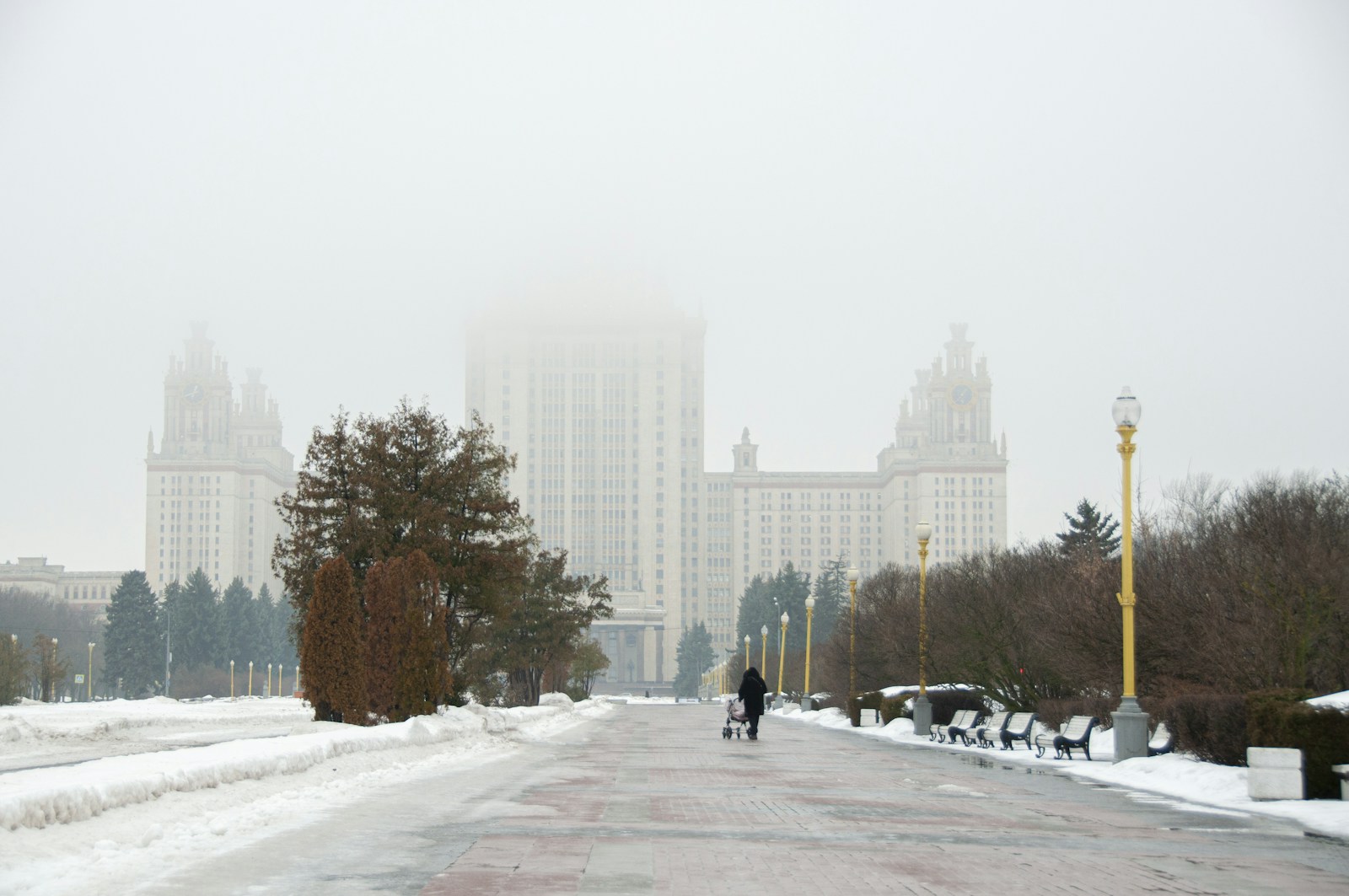
- Potential for melting snow: This could lead to slushy streets but also a refreshing change, as the city begins to shed its winter coat.
- Mood boost: Warmer weather often lifts spirits, encouraging outdoor gatherings. Studies have shown that increased sunlight and milder temperatures can lead to improved mental health and social interactions.
What This Means for Moscow 🌼
The first thaw is more than just a weather update; it can have various implications for the city and its inhabitants. As the snow begins to melt, residents will likely see a transformation in their surroundings. Parks and public spaces will become more accessible, inviting people to enjoy the outdoors after months of confinement indoors.
Moreover, this thaw can affect local businesses, especially those in the hospitality and retail sectors. Cafés and restaurants with outdoor seating may see an uptick in customers eager to soak up the sun. According to a recent survey, 70% of local business owners anticipate a boost in sales during the thaw period, as people are more inclined to dine out and socialize.
Additionally, the thaw can lead to increased tourism, as visitors flock to the city to experience the changing seasons. Events such as outdoor markets and cultural festivals often emerge during this time, providing a platform for local artisans and performers. For more insights on how weather changes influence local economies, check out our post on /posts/weather-impact-economy.
Quick Takeaways 📌
- The thaw is expected to last for several days, with temperatures fluctuating.
- Residents should prepare for slushy conditions on the roads, which may pose challenges for commuters.
- This weather change may lead to an increase in outdoor events and activities, enhancing community engagement.
- Local businesses are likely to benefit from the thaw, with increased foot traffic and sales.
FAQ ❔
What is a thaw, and why is it significant?
A thaw refers to a period when temperatures rise above freezing, causing snow and ice to melt. It’s significant because it marks a transition in seasons, often leading to a more pleasant atmosphere in urban areas. The thaw can also impact local ecosystems, as it signals the awakening of flora and fauna after the winter dormancy.
How long will the thaw last in Moscow?
While specific forecasts can vary, initial reports suggest that this thaw could last several days, with temperatures fluctuating between 0°C to 5°C (32°F to 41°F). It’s advisable to keep an eye on local weather updates for the latest information, as conditions can change rapidly.
What activities can residents enjoy during the thaw?
With the warmer temperatures, residents can engage in various outdoor activities such as walking in parks, visiting outdoor cafés, or simply enjoying the fresh air. Popular spots like Gorky Park and Sokolniki Park are expected to see increased foot traffic, with families and friends gathering to enjoy the milder weather. It’s a great time to reconnect with nature after the long winter months, and many locals may take the opportunity to participate in outdoor sports like cycling or jogging.
How does the thaw affect the environment?
The thaw can have both positive and negative effects on the environment. On one hand, it allows for the gradual melting of snow, which replenishes groundwater supplies. On the other hand, rapid melting can lead to flooding in certain areas, particularly in urban settings where drainage systems may be overwhelmed. Additionally, the thaw can trigger the early blooming of plants, which can be disrupted by subsequent cold snaps.
As Moscow embraces its first thaw, the city is poised for a refreshing change that promises to uplift spirits and encourage community engagement. Stay tuned for more updates on how this weather shift unfolds!