
Massive Snowdrifts Take Over Regions in Russia This Winter
This winter, giant snowdrifts have formed in several Russian regions, causing both awe and challenges for residents. Discover why it matters and what happens ne
- BackZee
- 5 min read
TL;DR 🚀
Make sure to check our deep dive on why this matters.
- Massive snowdrifts have emerged across multiple Russian regions.
- Key areas affected include Kirov, Nizhny Novgorod, and Ryazan.
- Meteorologist Evgeny Tishkovets provides insights on the weather patterns.
- Local residents are adapting to both the beauty and challenges of heavy snowfall.
- Authorities are increasing snow removal efforts to maintain accessibility.
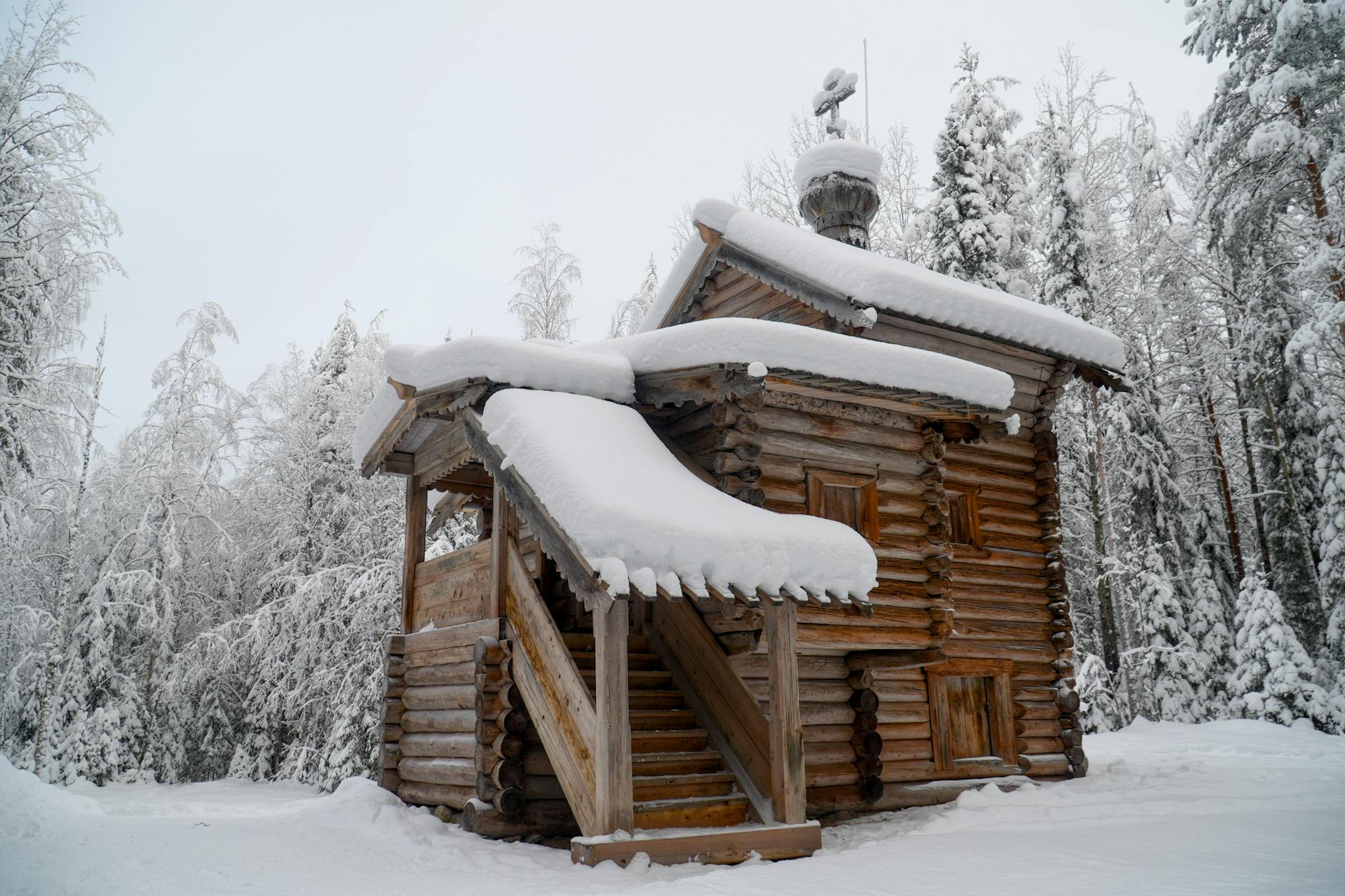
This winter has brought unprecedented snowfall to various regions in Russia, leading to the formation of giant snowdrifts. According to meteorologist Evgeny Tishkovets, areas like Kirov, Nizhny Novgorod, and Ryazan are experiencing significant snow accumulation, which is both a spectacle and a challenge for local residents. The sheer volume of snow has led to drifts that can reach heights of over two meters in some areas, creating a winter wonderland that is both beautiful and perilous.
Regions Affected by Snowdrifts ❄️
The winter of 2026 has seen remarkable snow levels in several regions. Tishkovets highlighted that Kirov, Nizhny Novgorod, and Ryazan are among the hardest hit, with snowdrifts reaching impressive heights. Other areas like Bashkortostan, Perm Krai, Tatarstan, and Udmurtia are also experiencing similar conditions.
Kirov
Kirov, known for its stunning winter scenery, has become a focal point for photographers and winter sports enthusiasts. However, residents are now grappling with transportation issues due to snow-covered roads. The local government has initiated snow removal operations, but the sheer volume of snow has made it a daunting task. Reports indicate that some residents have resorted to using snowmobiles for commuting, showcasing their adaptability in the face of nature’s challenges.
Nizhny Novgorod
In Nizhny Novgorod, the city is witnessing a surge in snow removal efforts to keep streets accessible. The local authorities have deployed additional snowplows and have organized community snow-clearing events, encouraging residents to participate. This has fostered a sense of community, as neighbors come together to tackle the snow. The picturesque landscapes have also attracted tourists, further boosting the local economy during the winter season.
Ryazan
Locals in Ryazan are adapting to the heavy snowfall, with some even embracing the winter wonderland for recreational activities. Ice skating rinks have popped up in parks, and families are taking to the slopes for sledding. However, the beauty of the snow comes with its challenges; many residents have reported difficulties in accessing essential services as roads remain blocked.
The Meteorological Perspective 🌨️
Evgeny Tishkovets from the Phobos Weather Center has been closely monitoring these developments. He notes that the current weather patterns are influenced by a combination of factors, including temperature fluctuations and moisture levels in the atmosphere. This winter’s snowfall is not just a random occurrence but part of a larger climatic trend that could have implications for the future.
Tishkovets explains that the Arctic Oscillation and North Atlantic Oscillation are playing significant roles in this winter’s weather. These oscillations affect the jet stream, leading to colder air masses moving southward and resulting in increased snowfall in regions like Russia. Historical data indicates that winters with similar patterns have led to significant snow accumulation, suggesting that this may be a recurring phenomenon.
For more insights on weather phenomena, check out our post on climate change impacts.
Quick Takeaways 📌
- Giant snowdrifts are a significant feature of this winter in Russia.
- Key regions are experiencing transportation disruptions.
- Meteorological experts are observing unusual weather patterns.
- Community efforts in snow removal are fostering a sense of unity among residents.
- The climatic trends observed this winter may have long-term implications.
FAQ ❔
What causes giant snowdrifts?
Giant snowdrifts are typically caused by heavy snowfall combined with wind. The accumulation of snow can create large drifts, especially in open areas where wind can shape the snow. In regions like Kirov and Nizhny Novgorod, the combination of heavy snowfall and strong winds has led to the formation of particularly large drifts.
How are local authorities responding to the snow?
Local authorities are ramping up snow removal efforts to ensure that roads remain passable. This includes deploying snowplows and other equipment to clear major thoroughfares. In addition, community initiatives have emerged, encouraging residents to participate in snow clearing to expedite the process and foster community spirit.
Will this winter’s snowfall affect future weather patterns?
While it’s difficult to predict long-term effects, significant snowfall can influence soil moisture levels and potentially affect weather patterns in subsequent seasons. Meteorologists are closely monitoring these changes, as they could have implications for agriculture and water supply in the coming months.
How can residents stay safe during heavy snowfall?
Residents are advised to stay indoors during severe weather conditions, avoid unnecessary travel, and ensure their vehicles are equipped for winter conditions. It’s also important to keep emergency supplies on hand, including food, water, and blankets, in case of power outages or transportation disruptions.
As winter continues, the sight of towering snowdrifts serves as a reminder of nature’s power and beauty. Residents are encouraged to stay safe while enjoying the winter landscape, as the snow brings both challenges and opportunities for fun. The resilience of communities in the face of such weather is a testament to the human spirit, showcasing how people can adapt and thrive even in the harshest conditions.