
Discovering Sweet Potatoes: Benefits, Uses, and Nutritional Facts
Explore the unique qualities of sweet potatoes, their health benefits, and how to enjoy this versatile ingredient in your meals. Discover why it matters and wha
- BackZee
- 5 min read
TL;DR 🚀
Make sure to check our deep dive on why this matters.
- Sweet potatoes are not just another type of potato; they have unique properties.
- They are rich in nutrients and can be prepared in various delicious ways.
- Understanding their differences from regular potatoes can enhance your culinary skills.
- Sweet potatoes are versatile and can be used in both savory and sweet dishes.
- Their cultural significance spans across various cuisines worldwide.
Sweet potatoes are often mistaken for regular potatoes, but they are a distinct and nutritious vegetable worth exploring. This article dives into the benefits, uses, and nutritional facts about sweet potatoes, helping you elevate your cooking game with this vibrant ingredient.
What Are Sweet Potatoes? 🥔
Sweet potatoes, unlike the common potato, belong to the morning glory family. Botanically, they are classified as a herbaceous perennial plant from the genus Ipomoea. Originating in Central and South America, sweet potatoes have been cultivated for thousands of years and are now a staple food crop globally, ranking seventh in agricultural production. According to the Food and Agriculture Organization (FAO), over 100 million tons of sweet potatoes are produced annually, with China being the largest producer, contributing more than 60% of the world’s supply. Their high yield, hardiness, and ability to thrive in diverse climates make them a valuable food source.
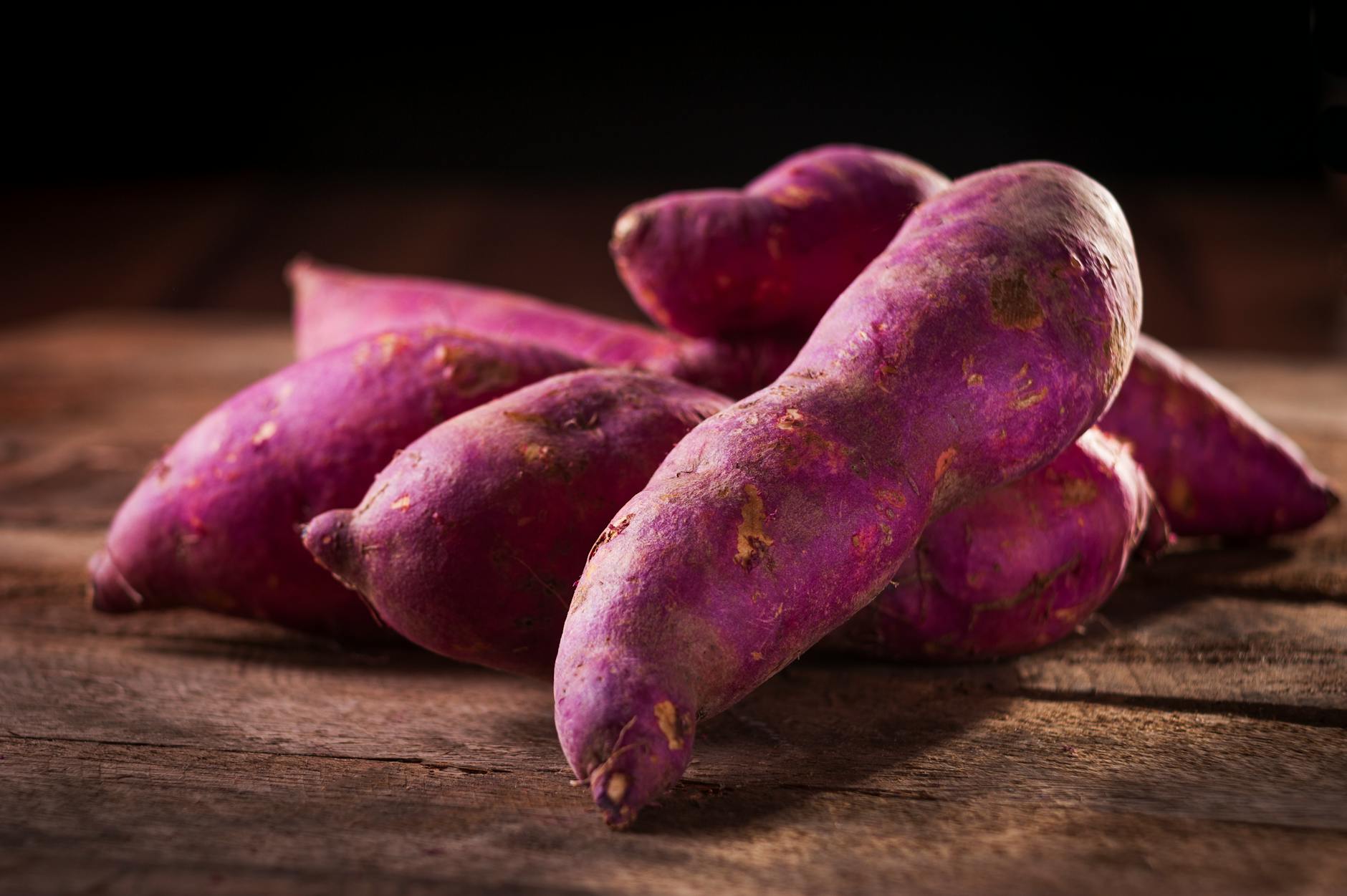
When comparing sweet potatoes to regular potatoes, the differences are significant. While we consume the tubers of regular potatoes, sweet potatoes are actually swollen lateral roots. This distinction is crucial for understanding their nutritional profiles and culinary applications. Sweet potatoes come in various colors, including orange, purple, and white, each offering unique flavors and health benefits.
Nutritional Benefits of Sweet Potatoes 🌟
Sweet potatoes are packed with essential nutrients. They are an excellent source of vitamins A and C, fiber, and antioxidants. The vibrant orange flesh is particularly rich in beta-carotene, which the body converts into vitamin A, supporting vision health and immune function. A medium-sized sweet potato (about 114 grams) contains approximately 400% of the daily recommended intake of vitamin A, making it a powerhouse for eye health. Additionally, sweet potatoes have a lower glycemic index compared to regular potatoes, making them a better option for maintaining stable blood sugar levels.
Incorporating sweet potatoes into your diet can be simple and delicious. Here are a few popular ways to enjoy them:
- Baked: Simply roast them in the oven for a sweet, caramelized flavor. Try sprinkling them with cinnamon for an extra kick.
- Mashed: Whip them up with a bit of butter and spices for a creamy side dish. For a twist, mix in some garlic or herbs.
- Fries: Cut into strips, toss with olive oil, and bake for a healthier alternative to traditional fries. You can also experiment with different seasonings like paprika or cayenne for added flavor.
Sweet potatoes can also be used in soups, stews, and casseroles, providing a hearty and nutritious base. Their natural sweetness makes them an excellent addition to desserts, such as sweet potato pie or muffins.
Cultural Insights and Uses 🌍
Sweet potatoes hold cultural significance in various cuisines around the world. In the United States, they are a staple during Thanksgiving, often served as candied yams or in pies. In Japan, purple sweet potatoes are popular and are often used in desserts like mochi. In Africa, they are a vital food source, providing sustenance and nutrition in many communities. The versatility of sweet potatoes allows them to be incorporated into both savory and sweet dishes across different cultures.
Quick Takeaways 📌
- Sweet potatoes are a nutrient-dense food with numerous health benefits.
- They can be prepared in various ways, enhancing your meals.
- Understanding their unique properties can help you make healthier choices.
- Sweet potatoes are culturally significant and versatile in global cuisines.
- Their natural sweetness allows for creative culinary applications in both savory and sweet dishes.
FAQs ❔
What is the difference between sweet potatoes and regular potatoes?
Sweet potatoes are a different species from regular potatoes, belonging to the morning glory family. They are sweeter, have a different texture, and are more nutrient-dense, particularly in vitamins A and C. Regular potatoes are primarily starchy and have a higher glycemic index.
How can I incorporate sweet potatoes into my diet?
You can enjoy sweet potatoes in various forms, such as baked, mashed, or as fries. They can also be added to soups, salads, and casseroles for extra flavor and nutrition. For breakfast, consider sweet potato pancakes or hash browns.
Are sweet potatoes healthier than regular potatoes?
Yes, sweet potatoes are generally considered healthier due to their higher levels of vitamins, minerals, and fiber, along with a lower glycemic index, making them a better choice for blood sugar control. They also contain more antioxidants, which can help combat oxidative stress in the body.
Can sweet potatoes be eaten raw?
While sweet potatoes can technically be eaten raw, they are often tough and starchy, making them less palatable. Cooking sweet potatoes enhances their flavor and digestibility, allowing for better nutrient absorption.
How should I store sweet potatoes?
Store sweet potatoes in a cool, dark, and well-ventilated place. Avoid refrigerating them, as cold temperatures can alter their flavor and texture. Properly stored, they can last for several weeks.
In conclusion, sweet potatoes are not only a delicious addition to your meals but also a nutritional powerhouse. By understanding their benefits and exploring various culinary applications, you can enjoy this versatile ingredient while reaping its health rewards.