
Mandarins: Health Benefits, Selection Tips, and Best Varieties
Discover the health benefits of mandarins, how to choose them, and which varieties are the best for your diet. Discover why it matters for Gen-Z readers.
- BackZee
- 4 min read
TL;DR 🚀
Make sure to check our deep dive on why this matters.
- Mandarins are not just festive; they’re packed with nutrients.
- Choosing the right variety can enhance your health benefits.
- Proper storage and consumption guidelines ensure maximum freshness.
- Mandarins can be enjoyed in various culinary applications beyond snacking.
- Regular consumption may contribute to better overall health and wellness.
Mandarins are more than just a holiday staple; they offer a wealth of health benefits. Understanding how to select ripe mandarins and knowing the best varieties can help you enjoy these citrus fruits to the fullest.
The Sweet Truth About Mandarins 🍊
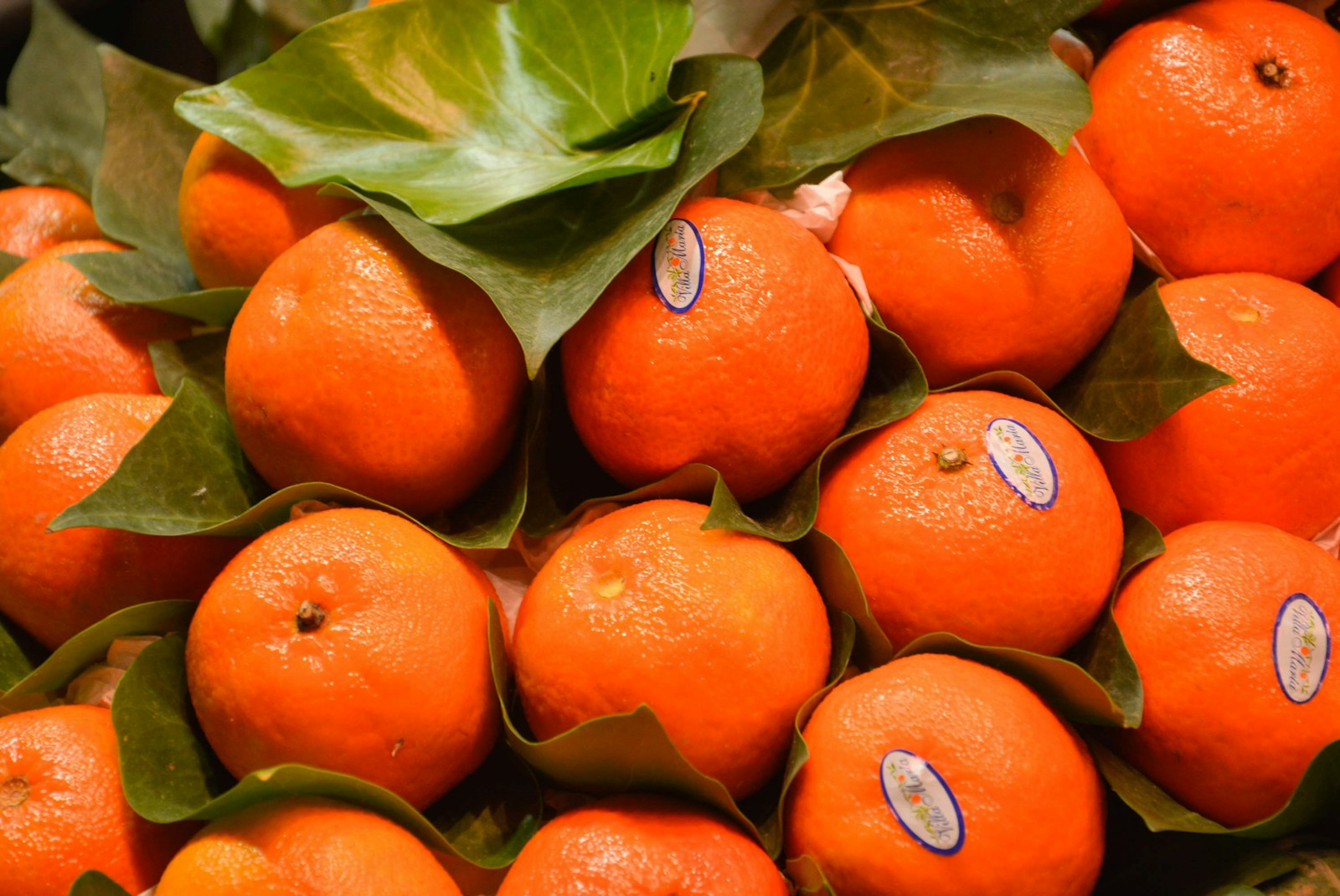
Mandarins are a popular citrus fruit, especially during the holiday season. These juicy delights are known for their vibrant flavor and nutritional value. When selecting mandarins, look for fruits that feel heavy for their size and have a bright, smooth skin. Avoid any that are soft or have blemishes, as these can indicate overripeness or spoilage.
Different varieties of mandarins offer unique flavors and textures. For instance, Abkhazian mandarins are small and often have seeds, providing a sweet and tangy taste. In contrast, Turkish mandarins are rounder with a thicker skin, typically sweeter with a hint of acidity.
Popular Varieties of Mandarins 🌍
- Abkhazian Mandarins: Small, flat, and often seedy, with a sweet-tart flavor. They are commonly found in Eastern European markets and are celebrated for their intense sweetness.
- Turkish Mandarins: Round and easy to peel, known for their sweet taste. Turkey is one of the largest producers of mandarins, exporting millions of tons annually.
- Spanish Mandarins: Medium-sized, aromatic, and among the sweetest varieties. Spain’s climate is ideal for growing mandarins, making them a staple in European fruit markets.
- Moroccan Mandarins: Often referred to as clementines, these are seedless and have a thin skin, making them incredibly sweet. They are popular in North Africa and are often enjoyed as a healthy snack.
Each variety has its own charm, and experimenting with them can add a delightful twist to your meals. For example, you can use mandarins in salads, desserts, or even as a glaze for meats, showcasing their versatility.
Health Benefits of Mandarins 🥗
Mandarins are a powerhouse of nutrients, rich in vitamins C and A, fiber, and antioxidants. These nutrients contribute to boosting the immune system, improving skin health, and aiding digestion. Regular consumption can also help in reducing the risk of chronic diseases like heart disease and diabetes.
Nutritional Profile
A medium-sized mandarin contains approximately:
- 47 calories
- 0.6 grams of fat
- 12 grams of carbohydrates
- 1.2 grams of protein
- 2 grams of fiber
The high vitamin C content in mandarins is particularly noteworthy. Just one medium mandarin provides about 30% of the daily recommended intake of vitamin C, which is essential for collagen production and immune function.
When it comes to portion sizes, moderation is key. Adults can typically enjoy 2-3 mandarins a day, while children and pregnant women should consult with a healthcare provider for tailored advice. For more tips on healthy eating, check out our post on /posts/healthy-eating-tips.
Additional Health Insights
Research has shown that the antioxidants found in mandarins, such as flavonoids, can help reduce inflammation and combat oxidative stress in the body. This can be particularly beneficial for individuals at risk of chronic diseases. Furthermore, the fiber content aids in digestion and can help maintain a healthy weight by promoting a feeling of fullness.
Quick Takeaways 📌
- Mandarins are rich in vitamins and antioxidants.
- They can help boost immunity and improve skin health.
- Portion control is essential for optimal benefits.
- The versatility of mandarins allows for creative culinary uses.
- Regular consumption may contribute to better overall health and wellness.
FAQ ❔
What are the best ways to store mandarins?
To keep mandarins fresh, store them in a cool, dry place or in the refrigerator’s crisper drawer. Avoid stacking them too tightly to prevent bruising. Ideally, they should be consumed within a week of purchase for the best flavor and texture.
How many mandarins can I eat in a day?
Generally, adults can safely consume 2-3 mandarins daily. However, it’s best to consult a healthcare provider for personalized recommendations, especially for children and pregnant women.
Are there any health risks associated with eating mandarins?
While mandarins are generally safe and healthy, excessive consumption can lead to digestive issues due to their high fiber content. Additionally, individuals with citrus allergies should exercise caution. Moderation is key to enjoying their benefits without adverse effects.
Can I use mandarins in cooking?
Absolutely! Mandarins can be used in a variety of dishes. They can be added to salads for a refreshing twist, used in marinades for meats, or even incorporated into desserts like cakes and tarts. Their zest can also enhance the flavor of sauces and dressings.
In summary, mandarins are a delicious and nutritious addition to your diet. By selecting the right variety and practicing proper storage, you can maximize their health benefits while enjoying their delightful taste. Whether you eat them fresh, add them to recipes, or use them in beverages, mandarins are a versatile fruit that can enhance your overall health and culinary experiences.