
Discovering Daikon: The Versatile Root Vegetable You Need to Try
Uncover the benefits, uses, and cooking tips for daikon, the delicious root vegetable that's gaining popularity in kitchens everywhere. Discover why it matters
- BackZee
- 5 min read
TL;DR 🚀
Make sure to check our deep dive on why this matters.
- Daikon is a mild, sweet root vegetable related to radishes.
- It’s rich in nutrients and can be eaten raw or cooked.
- Caution is advised for certain individuals due to its high fiber content.
- Daikon has cultural significance in Asian cuisines and is celebrated for its versatility.
- Explore various cooking methods to fully appreciate its flavor and texture.
Daikon, often mistaken for a character from anime or a K-pop star, is actually a nutritious root vegetable that deserves a spot in your kitchen. This unique member of the radish family offers a mild flavor and numerous health benefits, making it a versatile ingredient for various dishes. With its increasing popularity in Western kitchens, daikon is not just a staple in Asian cuisine but is also making its way into salads, soups, and even gourmet dishes.
What is Daikon? 🥕
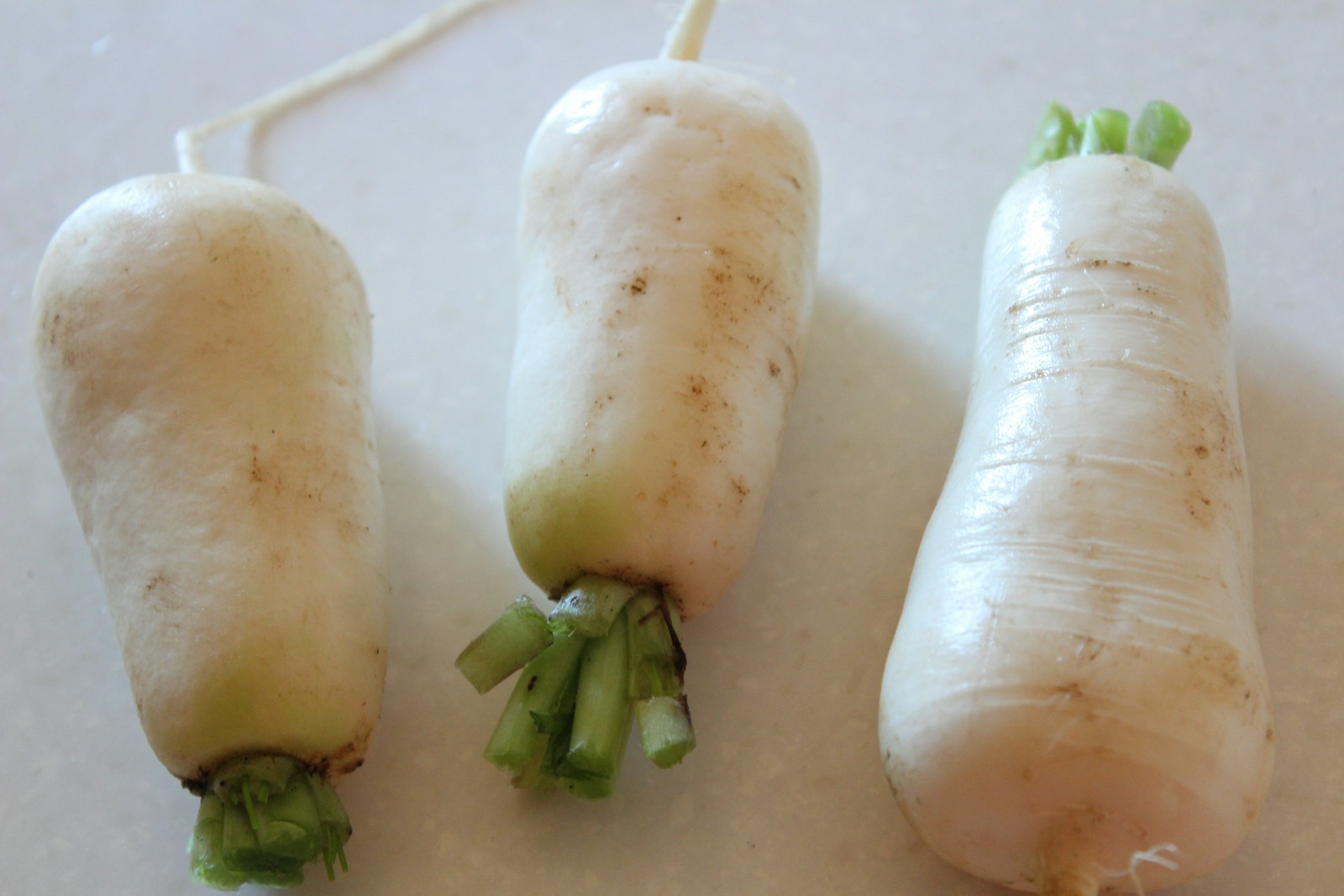
Daikon, scientifically known as Raphanus sativus, is a type of radish that belongs to the Brassicaceae family. The term “daikon” translates to “big root” in Japanese, and under optimal conditions, these roots can grow over 60 cm long and weigh several kilograms. In Japan, where daikon is a staple, some have even reached weights of up to 16 kg!
Daikon is not just limited to Japan; it is widely used in various Asian cuisines, including Chinese, Korean, and Vietnamese. In Korea, for instance, daikon is often used to make kimchi, a fermented dish that has gained international acclaim. In Vietnam, it is a key ingredient in bánh mì, the popular sandwich that combines various meats, vegetables, and condiments.
So, what sets daikon apart from regular radishes? The primary difference lies in their chemical composition. While black or green radishes contain pungent mustard oils that give them a sharp taste, daikon is much milder and slightly sweet. This makes it an excellent choice for fresh salads or as a crunchy addition to various dishes without the fear of overwhelming heat.
Nutritional Benefits of Daikon 🌱
Daikon is not just a pretty face; it’s packed with nutritional benefits. This root vegetable is low in calories and high in fiber, making it a great option for those looking to maintain a healthy diet. Here are some of its key health benefits:
- Rich in Vitamins: Daikon is a good source of vitamin C, which is essential for immune function and skin health. A 100-gram serving of daikon provides about 21% of the recommended daily intake of vitamin C.
- Digestive Aid: Its high fiber content promotes healthy digestion and can help prevent constipation. One serving can provide around 1.8 grams of dietary fiber.
- Weight Management: Low in calories and high in water content, daikon can help you feel full without adding extra calories to your diet. With only about 18 calories per 100 grams, it’s an excellent choice for weight-conscious individuals.
Incorporating daikon into your meals can be as simple as adding it to salads, soups, or stir-fries. For more ideas on how to use this versatile vegetable, check out our post on /posts/creative-ways-to-cook-with-daikon.
Quick Takeaways 📌
- Daikon is a low-calorie root vegetable with a sweet, mild flavor.
- It’s rich in vitamins and fiber, promoting digestive health.
- Best enjoyed raw in salads or cooked in various dishes.
- Daikon has cultural significance in Asian cuisines, enhancing its appeal.
- Experiment with different cooking methods to discover your favorite way to enjoy daikon.
How to Prepare and Cook Daikon 🍽️
When it comes to preparing daikon, the options are endless! You can eat it raw, pickled, or cooked. Here are some popular methods to enjoy this unique vegetable:
- Raw: Slice daikon thinly for salads or as a crunchy snack. Its refreshing taste pairs well with dips or dressings. Consider making a daikon salad with carrots, sesame oil, and a sprinkle of sesame seeds for an Asian-inspired dish.
- Pickled: Daikon can be pickled to enhance its flavor. Try making a simple pickled daikon by soaking slices in vinegar, sugar, and salt. This method is popular in many Asian cuisines and can add a delightful tang to your meals.
- Cooked: Add daikon to soups or stews, where it absorbs flavors and adds a subtle sweetness. It can also be roasted or stir-fried for a delightful side dish. In Japanese cuisine, daikon is often simmered in oden, a comforting winter dish.
FAQ ❔
What does daikon taste like?
Daikon has a mild, slightly sweet flavor, making it a versatile ingredient that can be enjoyed raw or cooked without the sharpness found in other radish varieties.
Is daikon healthy?
Yes, daikon is low in calories and high in fiber, vitamins, and minerals, making it a nutritious addition to your diet. Its high water content also helps with hydration.
Can everyone eat daikon?
While daikon is generally safe for most people, those with certain digestive issues or sensitivities to high-fiber foods should consume it in moderation. Always consult with a healthcare provider if you have concerns about dietary changes.
Are there any cultural dishes that feature daikon?
Absolutely! Daikon is a key ingredient in various dishes across Asian cuisines, such as kimchi in Korea, bánh mì in Vietnam, and oden in Japan. Each culture highlights daikon’s versatility in unique and delicious ways.
In summary, daikon is a delicious and nutritious root vegetable that can elevate your meals while providing numerous health benefits. Whether you’re looking to add more vegetables to your diet or simply want to try something new, daikon is definitely worth a taste! With its rich cultural significance and diverse culinary applications, daikon is more than just a vegetable—it’s a gateway to exploring new flavors and dishes.