
Volga's Beloved Fish: The Decline of the Vobla Species
Scientists report a drastic decline in the vobla fish population in the Volga Delta, now making up only 1% of total catches. Discover why it matters and what ha
- BackZee
- 4 min read
TL;DR 🚀
Make sure to check our deep dive on why this matters.
- Vobla fish population in the Volga Delta has plummeted.
- Current catch rates show vobla now accounts for only 1% of total fish.
- Researchers from Astrakhan State Reserve highlight the urgent need for conservation.
- The decline of the vobla reflects broader environmental issues affecting aquatic species worldwide.
- Community involvement is crucial for effective conservation strategies.
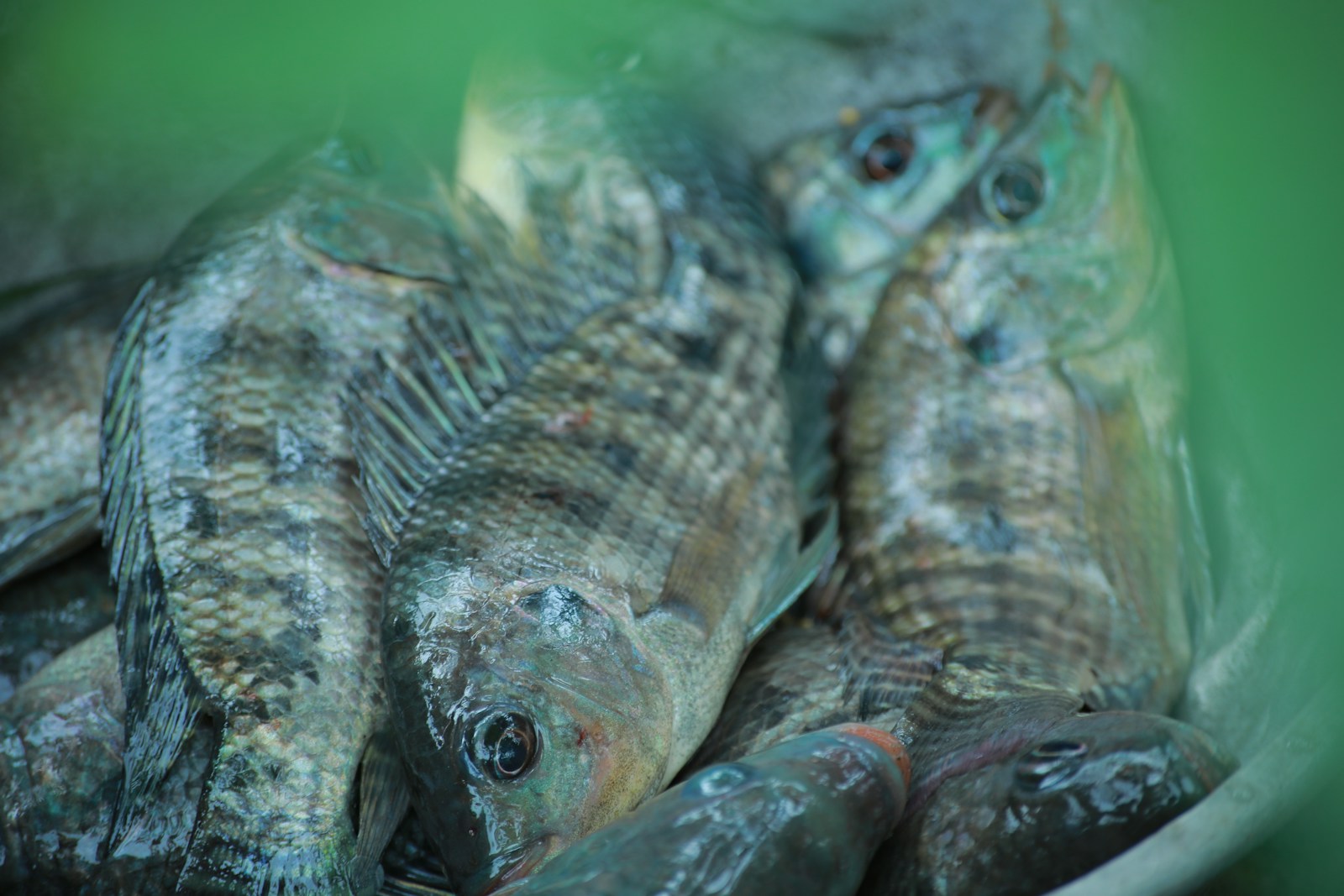
The vobla, a fish synonymous with the Volga River, is facing a serious decline in its population. Recent findings from researchers at the Astrakhan State Reserve reveal that this once-abundant species now makes up a mere 1% of total fish catches in the region. This alarming trend raises concerns about the ecological balance and the future of fishing in the area.
The Vobla’s Vanishing Act 🐟
The vobla, known for its unique flavor and cultural significance, has been a staple in the diets of locals for generations. Traditionally, it has been enjoyed in various forms, from smoked delicacies to pickled treats, often accompanying local beverages like kvass or vodka. However, overfishing, habitat loss, and pollution have contributed to its dramatic decline. The Astrakhan State Reserve has been monitoring the situation closely, and their latest reports indicate that the vobla’s presence in the delta is dwindling at an alarming rate.
Key factors influencing this decline include:
- Overfishing: Unsustainable fishing practices have led to a significant reduction in vobla numbers. In recent years, commercial fishing has intensified, with some estimates suggesting that vobla catches have decreased by over 80% since the early 2000s.
- Environmental changes: Alterations in the river’s ecosystem due to pollution and climate change are impacting fish habitats. Increased agricultural runoff and industrial waste have degraded water quality, making it difficult for vobla to thrive.
- Regulatory challenges: Inadequate enforcement of fishing regulations has allowed for unchecked harvesting. Despite existing laws aimed at protecting the species, many fishermen continue to operate outside legal limits, exacerbating the problem.
The situation calls for immediate action to protect this iconic fish species and restore its population to sustainable levels.
Urgent Conservation Efforts Needed 🌍
As the vobla population continues to dwindle, conservationists are urging for immediate intervention. Strategies may include stricter fishing regulations, habitat restoration projects, and public awareness campaigns to educate local communities about sustainable fishing practices.
For instance, local NGOs are advocating for the establishment of protected areas within the Volga Delta to allow fish populations to recover. Additionally, community-led initiatives, such as clean-up drives and educational workshops, are gaining traction to promote responsible fishing and environmental stewardship.
The decline of the vobla is not just a local issue; it reflects broader environmental challenges that many aquatic species face globally. According to the World Wildlife Fund, nearly one-third of all freshwater fish species are threatened with extinction due to similar factors. For more insights on conservation efforts, check out our related post on sustainable fishing practices at /posts/sustainable-fishing-practices.
Quick Takeaways 📌
- The vobla fish is crucial to the local ecosystem and economy.
- Current conservation measures are insufficient to halt the decline.
- Community involvement is essential for effective conservation strategies.
- The decline of the vobla serves as a cautionary tale for other fish species worldwide.
- Collaborative efforts between government, NGOs, and local communities are vital for successful restoration.
FAQ ❔
What is the vobla fish?
The vobla is a fish native to the Volga River, prized for its taste and cultural significance. It has been a traditional food source in the region for centuries, often featured in local festivals and culinary traditions.
Why is the vobla population declining?
The decline is primarily due to overfishing, habitat degradation, and pollution, which have severely impacted the fish’s breeding and survival rates. The combination of these factors has created a perfect storm for the vobla, leading to its current precarious status.
What can be done to help the vobla?
To help the vobla, it is crucial to implement stricter fishing regulations, promote sustainable fishing practices, and restore its natural habitat. Community engagement and awareness are also key to successful conservation efforts. Initiatives like catch-and-release programs and educational campaigns can empower local fishermen to adopt more sustainable practices.
How does the decline of the vobla affect the local community?
The decline of the vobla has significant implications for the local economy, particularly for those who rely on fishing as their primary source of income. Additionally, the loss of this culturally significant fish can impact local traditions and culinary practices, leading to a diminished sense of identity within the community.
Are there any successful conservation examples for other fish species?
Yes, there are several successful conservation stories worldwide. For example, the recovery of the Atlantic cod population in the North Atlantic has been attributed to stringent fishing quotas and habitat protection measures. Similarly, the restoration of the Chesapeake Bay has shown that collaborative efforts can lead to significant improvements in fish populations and overall ecosystem health.