
World's Largest Iceberg A23a Nears Total Collapse
The A23a iceberg, the largest in the world, is on the brink of complete disintegration, raising environmental concerns. Discover why it matters and what happens
- BackZee
- 5 min read
TL;DR 🚀
Make sure to check our deep dive on why this matters.
- The A23a iceberg is almost entirely disintegrated.
- This phenomenon raises alarms about climate change.
- Scientists are monitoring the situation closely.
- The collapse could disrupt global ocean currents and weather patterns.
- Coastal communities may face increased flooding risks.
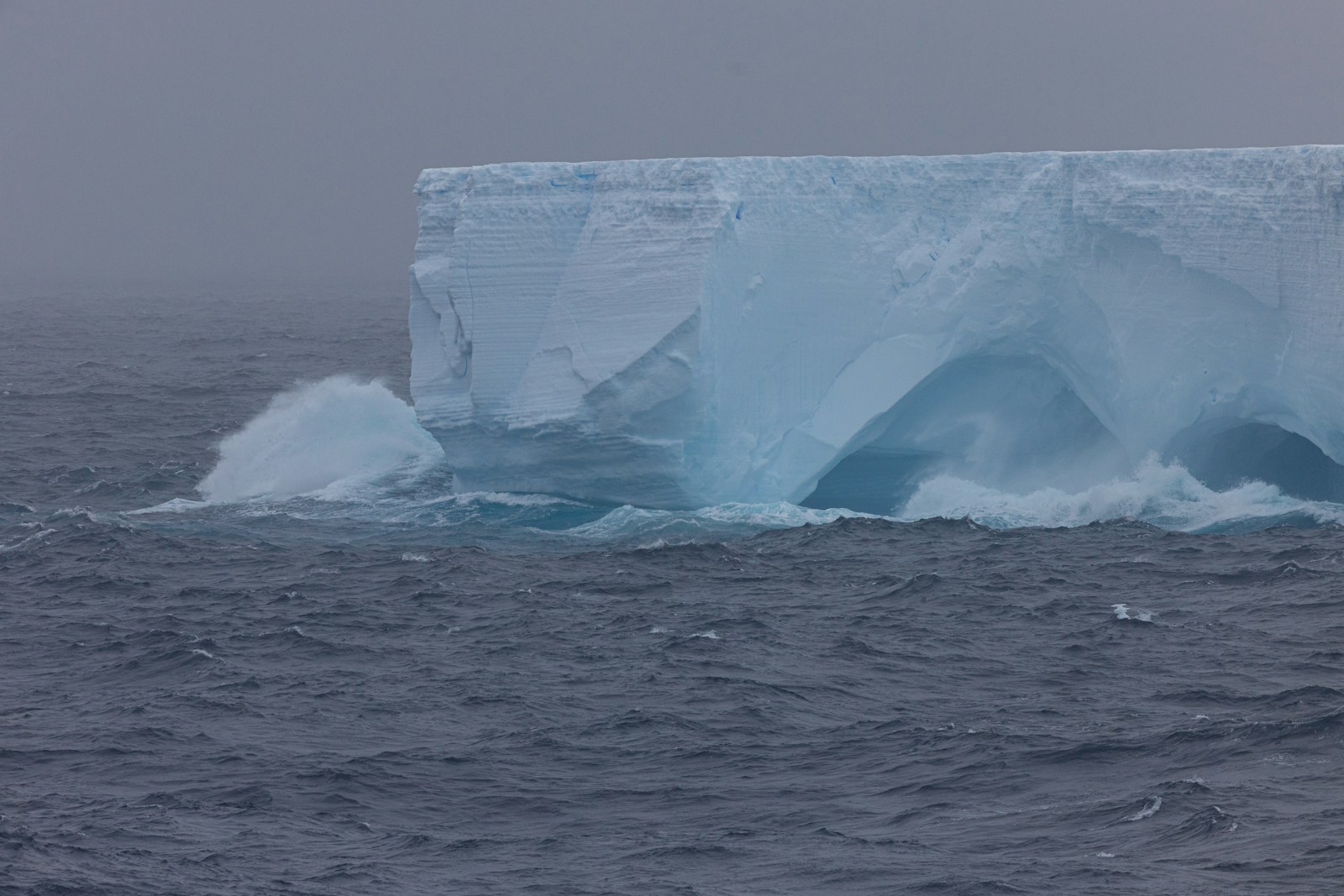
The A23a iceberg, once a colossal presence in the Antarctic, is now on the verge of total collapse. This significant event not only highlights the fragility of our planet’s ice formations but also serves as a stark reminder of the ongoing impacts of climate change. The iceberg, which has been a subject of fascination for scientists and environmentalists alike, has become a symbol of the urgent need for climate action.
The A23a Iceberg’s Journey ❄️
The A23a iceberg has been a prominent feature in the Antarctic landscape, measuring approximately 1,500 square kilometers—larger than the island of Jamaica. Over the years, it has been slowly deteriorating, with recent satellite imagery revealing that it is now nearly completely destroyed. This alarming situation could have profound implications for global sea levels, as the disintegration of such a massive ice structure contributes to the ongoing rise in ocean levels.
As the iceberg breaks apart, it releases freshwater into the ocean, which can disrupt local ecosystems. The melting of icebergs like A23a contributes to rising sea levels, posing risks to coastal communities worldwide. According to the National Oceanic and Atmospheric Administration (NOAA), the melting of Antarctic ice could contribute to a sea-level rise of up to 1.5 meters by 2100 if current trends continue. This situation is a clear indicator of the accelerating effects of climate change, which is causing ice formations to melt at unprecedented rates.
The A23a iceberg’s journey is not just a tale of ice; it is a reflection of the broader climatic shifts occurring on our planet. The iceberg was first spotted in 1986, and since then, it has been closely monitored by scientists. Its gradual deterioration has been linked to rising ocean temperatures, which have increased by approximately 1°C over the past century. This rise in temperature is primarily attributed to human-induced climate change, driven by greenhouse gas emissions.
Environmental Implications 🌍
The collapse of A23a is not just a local issue; it has global ramifications. The influx of freshwater from melting icebergs can alter ocean currents, which are crucial for regulating the Earth’s climate. These currents, such as the Gulf Stream, help distribute heat around the planet. A disruption in these currents can lead to extreme weather patterns, affecting agriculture, biodiversity, and even human health.
For example, changes in ocean currents can lead to more intense hurricanes in some regions while causing droughts in others. This unpredictability can have devastating effects on food security, as crops may fail due to unexpected weather conditions. The loss of such a significant ice mass raises concerns about the stability of other ice formations in the region, including the West Antarctic Ice Sheet, which is also showing signs of instability.
Scientists are now more than ever focused on monitoring these changes closely. The European Space Agency’s CryoSat mission, which uses radar altimetry to measure ice thickness, has been instrumental in providing data on ice mass loss in Antarctica. This data is crucial for understanding the broader implications of climate change and for developing strategies to mitigate its effects.
Quick Takeaways 📌
- A23a iceberg is nearly fully collapsed.
- Melting icebergs contribute to rising sea levels.
- Changes in ocean currents can lead to extreme weather.
- The situation underscores the urgency of addressing climate change.
- Ongoing monitoring is essential to understand and respond to these changes.
FAQ ❔
What caused the A23a iceberg to collapse?
The collapse of the A23a iceberg is attributed to rising global temperatures and changing ocean currents, which have accelerated the melting process. The increased warmth of the surrounding waters has led to the destabilization of the iceberg’s structure.
How does the melting of icebergs affect sea levels?
As icebergs melt, they release freshwater into the ocean, contributing to rising sea levels. This can lead to flooding in coastal areas and impact marine ecosystems. For instance, cities like Miami and New Orleans are particularly vulnerable to rising sea levels, which could result in significant economic and social challenges.
What are scientists doing about this situation?
Scientists are actively monitoring the A23a iceberg and other ice formations to understand the broader implications of climate change. They are employing advanced technologies such as satellite imagery and underwater drones to gather data on ice dynamics and ocean temperatures. This research is vital for developing effective strategies to mitigate the impacts of climate change and protect vulnerable ecosystems.
What can individuals do to help address climate change?
Individuals can contribute to combating climate change by reducing their carbon footprint. This can be achieved through various actions, such as using public transportation, adopting energy-efficient appliances, reducing meat consumption, and supporting renewable energy initiatives. Additionally, raising awareness about climate issues and advocating for policy changes can help drive collective action.
Are there any international efforts to address the melting of icebergs?
Yes, there are several international agreements aimed at addressing climate change, such as the Paris Agreement. This treaty brings countries together to commit to reducing greenhouse gas emissions and limiting global warming. Collaborative research initiatives also focus on understanding the impacts of melting ice and developing adaptive strategies for affected communities.