
Tyrannosaurus Rex: Faster Than Usain Bolt? New Study Reveals
A new study suggests that T. rex could outrun Usain Bolt, challenging our understanding of dinosaur speed. Discover why it matters and what happens next.
- BackZee
- 4 min read
TL;DR 🚀
Make sure to check our deep dive on why this matters.
- New research suggests T. rex could outrun Usain Bolt.
- The study was published in the Royal Society Open Science.
- This challenges previous assumptions about dinosaur speed.
- T. rex’s speed could exceed 30 mph, surpassing Bolt’s record.
- The findings prompt a reevaluation of dinosaur agility and behavior.
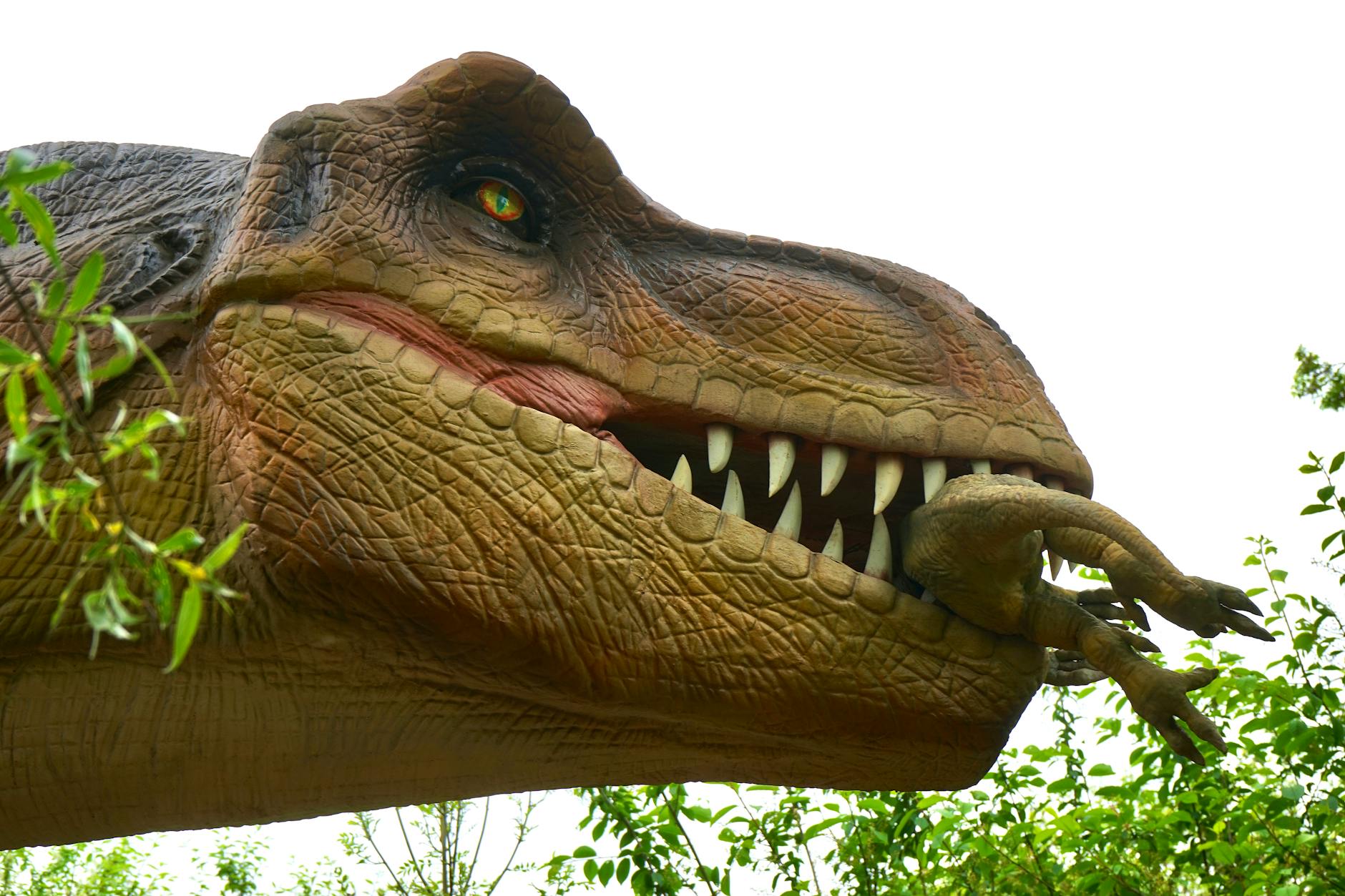
Recent research has sparked a fascinating debate about the speed of the mighty Tyrannosaurus rex. According to scientists, this iconic dinosaur may have been capable of running faster than the world-renowned sprinter Usain Bolt. The findings, published in the journal Royal Society Open Science, are turning heads and reshaping our understanding of dinosaur capabilities.
T. Rex Speed Demons 🦖
The study indicates that T. rex could reach speeds exceeding those of modern-day athletes, including Bolt, who holds the record for the fastest human at approximately 27.8 mph (44.72 km/h). Researchers utilized advanced modeling techniques, including biomechanical simulations and fossil analysis, to estimate the dinosaur’s running speed, suggesting it could sprint at impressive rates of up to 30 mph (48.28 km/h) or more.
This revelation raises questions about how we perceive the physical abilities of dinosaurs. Could they have been more agile than previously thought? The implications of these findings could change how we visualize these ancient creatures in their natural habitats. For instance, if T. rex could indeed sprint at such speeds, it might have been a more formidable predator than previously imagined, capable of chasing down prey with surprising agility.
- Key Factors:
- Body Structure: The T. rex had a robust build that may have contributed to its speed. Its long, powerful legs were designed for both sprinting and stability, allowing it to navigate its environment effectively.
- Muscle Composition: The muscle fibers of T. rex could have been optimized for quick bursts of speed, similar to the fast-twitch muscle fibers found in modern sprinters.
Rethinking Dinosaur Dynamics 🔍
The implications of this research extend beyond just T. rex. It invites a broader discussion about dinosaur locomotion and how these creatures interacted with their environment. The study’s authors emphasize the need for more research to fully understand the biomechanics of these prehistoric animals.
For more insights into dinosaur behavior, check out our post on /posts/dinosaur-behavior-explained. This ongoing exploration into dinosaur speed not only enhances our knowledge but also fuels our imagination about their lives millions of years ago.
Cultural Insights 🌍
The fascination with dinosaurs, particularly T. rex, has permeated popular culture, from blockbuster movies like “Jurassic Park” to countless documentaries and educational programs. This new research adds another layer to our collective understanding, challenging the often simplistic portrayals of dinosaurs as lumbering giants. Instead, we are beginning to see them as dynamic creatures that could have thrived in their ecosystems with surprising speed and agility.
Quick Takeaways 📌
- T. rex may have been faster than Usain Bolt, potentially reaching speeds of over 30 mph.
- The research utilized advanced modeling techniques, including biomechanical simulations.
- This challenges long-held beliefs about dinosaur agility and predatory behavior.
- The findings suggest a need for further research into the locomotion of other dinosaur species.
FAQ ❔
How did researchers determine T. rex’s speed?
Researchers used advanced computer models to analyze the biomechanics of T. rex, estimating its potential running speed based on its physical structure, muscle composition, and comparisons with modern animals. They also examined fossilized leg bones to infer muscle mass and strength.
What does this mean for our understanding of dinosaurs?
This study suggests that dinosaurs like T. rex were likely more agile and capable than previously believed, prompting a reevaluation of how we visualize their behavior and interactions. It opens up new avenues for research into how these creatures might have hunted, escaped predators, and interacted with their environment.
Are there other dinosaurs that might have been fast?
Yes, other theropods, such as Velociraptor and Allosaurus, are also believed to have been swift. Ongoing research continues to uncover the speed capabilities of various dinosaur species. For example, recent studies suggest that Velociraptor could have reached speeds of up to 40 mph (64 km/h), making it a formidable predator in its own right.
How does this research impact our understanding of dinosaur ecosystems?
Understanding the speed and agility of dinosaurs like T. rex can significantly impact our knowledge of their ecosystems. If T. rex was indeed a fast runner, it could have played a different role in its environment, possibly influencing the behavior and evolution of other species, including prey and competitors.
The findings from this study not only challenge our perceptions of T. rex but also open the door to further exploration of dinosaur biology and behavior. As we continue to uncover the mysteries of these ancient giants, one thing is clear: the world of dinosaurs is far more complex and fascinating than we ever imagined.