
Russian Scientists Discover Oasis in Antarctica's Berk Peninsula
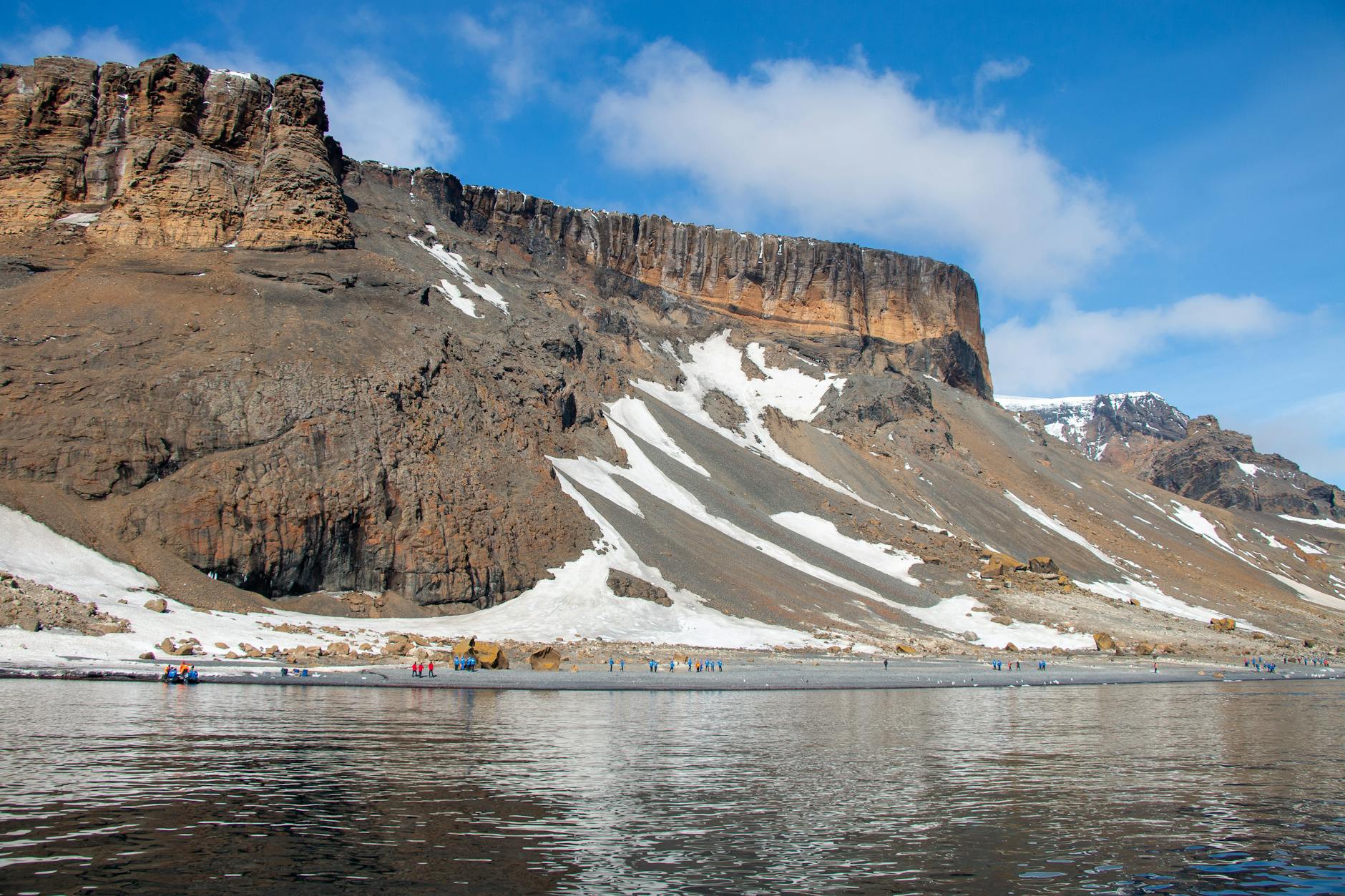
A new geographical marvel has been uncovered in Antarctica, revealing a stunning oasis at the Berk Peninsula by Russian researchers. Discover why it matters and
- BackZee
- 4 min read
TL;DR 🚀
Make sure to check our deep dive on why this matters.
- Russian scientists have unveiled a new oasis in Antarctica.
- The oasis is located at the Berk Peninsula, surrounded by mountains and valleys.
- This discovery adds to our understanding of Antarctica’s unique geography.
- The oasis serves as a natural laboratory for climate change research.
- Future studies may reveal undiscovered species and biodiversity.
In an exciting development, Russian researchers have announced the discovery of a stunning oasis in Antarctica, specifically at the Berk Peninsula. This remarkable finding was reported by the Saint Petersburg Federal Research Center, shedding light on the unique geographical features of the icy continent. The oasis, characterized by its lush vegetation and unique microclimate, is a stark contrast to the typically barren landscape of Antarctica.
A New Geographical Marvel 🌍
The oasis, nestled amidst towering mountains and deep valleys, presents a fascinating contrast to the typically barren landscape of Antarctica. Researchers believe that this area could provide crucial insights into the region’s climate and ecology. The oasis is not just a beautiful sight; it may also play a significant role in understanding the environmental changes occurring in Antarctica.
The Berk Peninsula’s oasis is characterized by its lush vegetation and unique microclimate, which allows for the existence of life forms that are otherwise rare in such extreme conditions. For instance, the presence of mosses and lichens, which can survive in harsh climates, indicates that even in the coldest environments, life can find a way to thrive. This discovery could lead to further studies on how life adapts to harsh environments, making it a key area for future research.
Interestingly, the oasis is believed to be a remnant of a more temperate climate that existed in Antarctica millions of years ago. Geological studies suggest that the region may have once supported a diverse range of flora and fauna, which raises intriguing questions about the historical climate of the continent.
Implications for Climate Research 🌡️
The significance of this oasis extends beyond its beauty. It serves as a natural laboratory for scientists studying climate change and its effects on polar regions. The presence of vegetation in such a remote area raises questions about biodiversity and the potential for undiscovered species.
Moreover, understanding the microclimate of the oasis can help researchers predict how similar ecosystems might respond to global warming. For example, studies have shown that microhabitats like this oasis can act as refuges for species that are struggling to survive in a changing climate. The findings from this oasis could be pivotal in shaping conservation strategies for vulnerable regions in Antarctica.
In addition to its ecological significance, the oasis also offers a unique opportunity to study the effects of climate change on glacial melt. As glaciers retreat, new habitats emerge, and understanding these changes is crucial for predicting future ecological shifts.
Quick Takeaways 📌
- The oasis is a unique microhabitat in Antarctica.
- It offers a rare opportunity to study climate change impacts.
- Researchers are eager to explore the biodiversity within the oasis.
- The oasis may provide insights into historical climate patterns in Antarctica.
- Future studies could uncover new species adapted to extreme environments.
FAQ ❔
What is the significance of the oasis discovered in Antarctica?
The oasis provides a unique opportunity to study how life thrives in extreme conditions, offering insights into biodiversity and climate change. It serves as a living laboratory for understanding ecological resilience.
How does this discovery impact our understanding of Antarctica?
This finding enhances our knowledge of the continent’s geography and ecology, revealing that even in harsh climates, life can exist and adapt. It challenges the perception of Antarctica as a completely inhospitable environment.
What future research might be conducted in the oasis?
Scientists plan to investigate the flora and fauna of the oasis, as well as its microclimate, to better understand its role in the broader context of climate change and environmental science. This includes studying the genetic diversity of species found in the oasis and their potential adaptations to extreme conditions.
Are there any historical precedents for such discoveries in Antarctica?
Yes, there have been previous discoveries of microbial life and extremophiles in Antarctica, but this oasis represents a more complex ecosystem. Historical studies have indicated that Antarctica was once much warmer, and findings like this oasis help scientists piece together the continent’s climatic history.
How might this discovery influence conservation efforts?
The oasis could become a focal point for conservation strategies aimed at protecting unique ecosystems in Antarctica. By understanding how life persists in extreme conditions, researchers can develop more effective conservation policies that address the impacts of climate change on vulnerable habitats.
This discovery not only highlights the wonders of our planet but also emphasizes the importance of continued research in understanding and preserving these unique ecosystems. With ongoing studies, the oasis at the Berk Peninsula could become a focal point for future scientific exploration in Antarctica, potentially leading to groundbreaking discoveries in the fields of climate science and ecology.