
Transforming Moscow: The Legacy of Architect Sergey Kuznetsov
Explore how Sergey Kuznetsov reshaped Moscow's architectural landscape during his tenure as chief architect. Discover why it matters and what happens next.
- BackZee
- 5 min read
TL;DR 🚀
Make sure to check our deep dive on why this matters.
- Sergey Kuznetsov resigns as Moscow’s chief architect after 14 years.
- His tenure saw significant architectural transformations in the city.
- The future of the city’s architectural direction remains uncertain.
- Kuznetsov’s projects emphasized sustainability and community engagement.
- His legacy will influence Moscow’s urban landscape for years to come.
Sergey Kuznetsov, the chief architect of Moscow, has stepped down after a remarkable 14-year journey that reshaped the city’s skyline and urban planning. His departure, announced on April 3, marks a pivotal moment in the architectural evolution of the Russian capital. Under his guidance, Moscow has transitioned from a city marked by Soviet-era structures to a vibrant metropolis that embraces modern design principles.
A New Chapter for Moscow’s Architecture 🏙️
Kuznetsov’s resignation was officially confirmed through a decree from Mayor Sergey Sobyanin, stating that he left his position voluntarily. As the first deputy chairman of the Committee for Architecture and Urban Planning, Kuznetsov played a crucial role in redefining Moscow’s architectural identity. His innovative ideas and projects, including the iconic floating bridge and modern residential complexes, have left an indelible mark on the city.
In recent months, Moscow has witnessed a series of administrative changes, including the merger of the Committee for Architecture with the Department of Urban Policy. This restructuring hints at a broader shift in how the city approaches urban development. Kuznetsov’s vision was instrumental in promoting sustainable architecture and enhancing public spaces, making the city more livable for its residents.
The Shift Towards Sustainable Urban Development
Kuznetsov’s tenure coincided with a global trend towards sustainability in architecture. He advocated for eco-friendly building materials, energy-efficient designs, and urban green spaces. For instance, the Zaryadye Park, which opened in 2017, is a prime example of his commitment to integrating nature within the urban fabric. This park not only provides a green oasis in the heart of Moscow but also features innovative designs that showcase the city’s cultural heritage.
The Impact of Kuznetsov’s Vision 🌟
During his tenure, Kuznetsov championed numerous projects that transformed Moscow into a modern metropolis. His focus on sustainable design and community-oriented spaces has been particularly noteworthy. Some of his key contributions include:
-
The Floating Bridge: A stunning architectural feat that connects various parts of the city while providing a unique recreational space for residents. This bridge not only serves as a pedestrian pathway but also as a cultural venue, hosting events and exhibitions that engage the community.
-
Innovative Housing Solutions: The introduction of human-centric residential complexes that prioritize green spaces and community interaction. For example, the Krymskaya Naberezhnaya project features residential units designed with communal gardens and shared amenities, fostering a sense of community among residents.
-
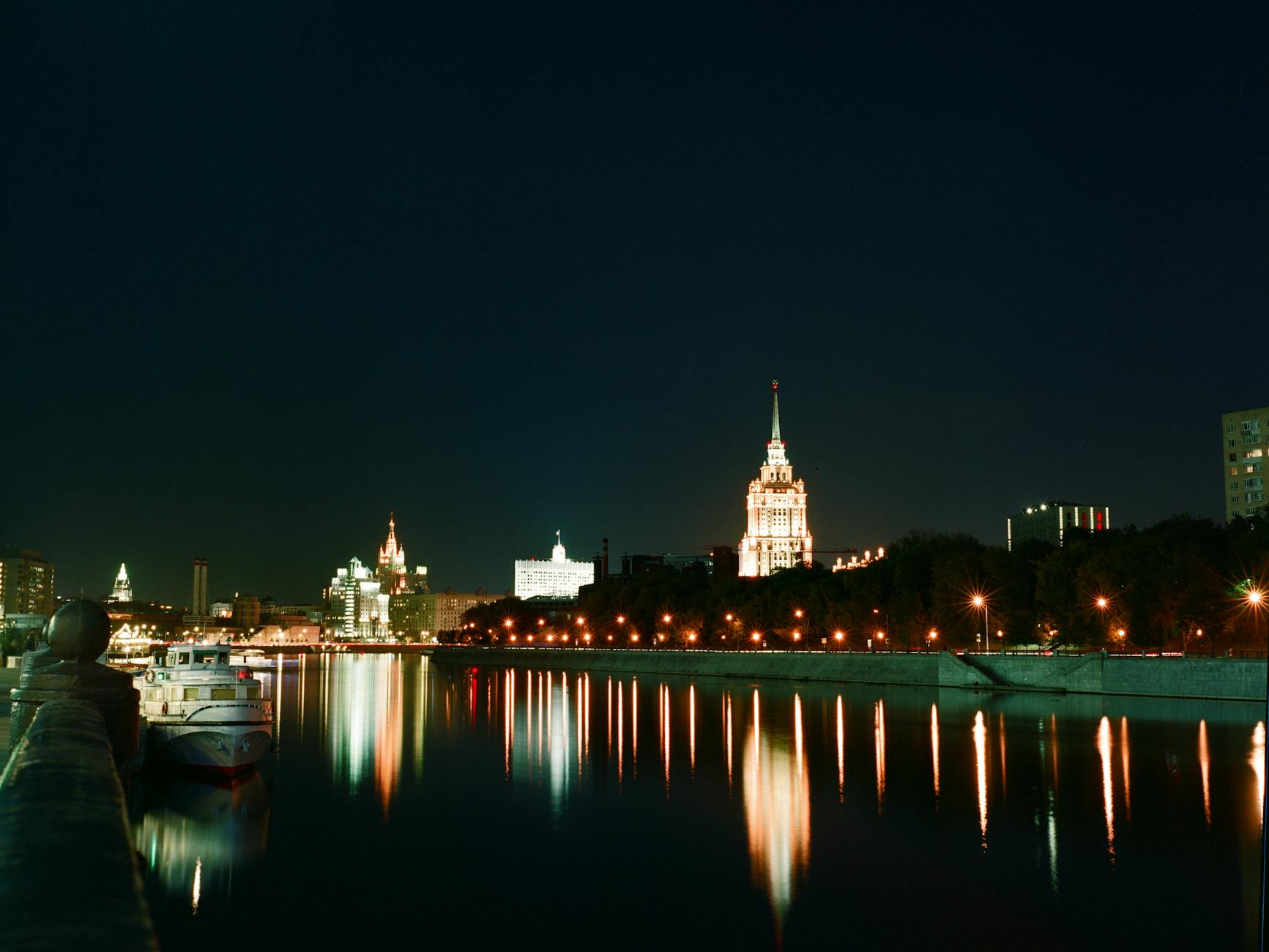
Urban Revitalization Projects: Initiatives aimed at rejuvenating underutilized areas, turning them into vibrant hubs of activity. The transformation of the Moscow River embankments into pedestrian-friendly zones has significantly enhanced public access to the waterfront, encouraging leisure activities and social gatherings.
Kuznetsov’s approach to architecture was not just about aesthetics; it was about creating spaces that foster community and enhance the quality of life. His departure raises questions about the future direction of Moscow’s urban landscape and who will take the reins next.
Cultural Insights and Public Reception
Kuznetsov’s work has not only changed the physical landscape of Moscow but has also influenced its cultural dynamics. His projects often reflect a blend of modernity and tradition, resonating with both younger and older generations. Public reception has generally been positive, with many residents appreciating the increased accessibility and aesthetic appeal of new developments. However, some critics argue that rapid urbanization may lead to the loss of historical character in certain neighborhoods.
Quick Takeaways 📌
- Sergey Kuznetsov resigns, leaving a legacy of innovation.
- His projects focused on sustainability and community engagement.
- The future of Moscow’s architecture is now uncertain.
- Kuznetsov’s work has positively impacted public spaces and cultural dynamics.
- The balance between modern development and historical preservation remains a topic of debate.
FAQ ❔
Why did Sergey Kuznetsov resign?
Kuznetsov resigned voluntarily, as confirmed by the Moscow mayor’s office. His departure comes amid a series of administrative changes in the city’s architectural governance, suggesting a potential shift in urban planning priorities.
What were some of Kuznetsov’s major projects?
Kuznetsov was known for several groundbreaking projects, including the floating bridge and modern residential complexes that emphasized sustainability and community. His work on Zaryadye Park also stands out as a significant contribution to Moscow’s urban landscape.
What does the future hold for Moscow’s architecture?
With Kuznetsov’s exit, the future direction of Moscow’s architectural development is unclear. It will be interesting to see who will succeed him and how they will continue to shape the city’s urban landscape. The new leadership will need to balance innovation with the preservation of Moscow’s rich historical context.
How did Kuznetsov influence public spaces in Moscow?
Kuznetsov’s emphasis on creating accessible and engaging public spaces has transformed how residents interact with their city. Projects like the Floating Bridge and the revitalization of the Moscow River embankments have made public areas more inviting and functional, encouraging community engagement and outdoor activities.
As the city moves forward, the impact of Kuznetsov’s work will undoubtedly be felt for years to come. His commitment to reimagining urban spaces has set a high standard for future architects and planners in Moscow. The legacy he leaves behind will serve as both an inspiration and a benchmark for the ongoing evolution of urban design in the Russian capital.