
Ornithologists Estimate Sparrow Population in Russia
Recent research reveals the estimated number of sparrows in Russia, shedding light on avian biodiversity. Discover why it matters and what happens next.
- BackZee
- 4 min read
TL;DR 🚀
Make sure to check our deep dive on why this matters.
- Recent study estimates the sparrow population in Russia at approximately 30 million.
- Findings highlight the importance of sparrows in maintaining ecological balance and biodiversity.
- Urbanization and habitat loss pose significant threats to sparrow populations.
- Conservation efforts are crucial for protecting these birds and their habitats.
- Engaging communities can enhance awareness and support for sparrow conservation initiatives.
A recent study conducted by ornithologists has revealed a significant estimate of the sparrow population in Russia. This research not only sheds light on the biodiversity of the region but also underscores the importance of these small birds in maintaining ecological balance. The findings are particularly relevant as they come at a time when urbanization and environmental changes are increasingly impacting wildlife.
The Sparrow Count 🐦
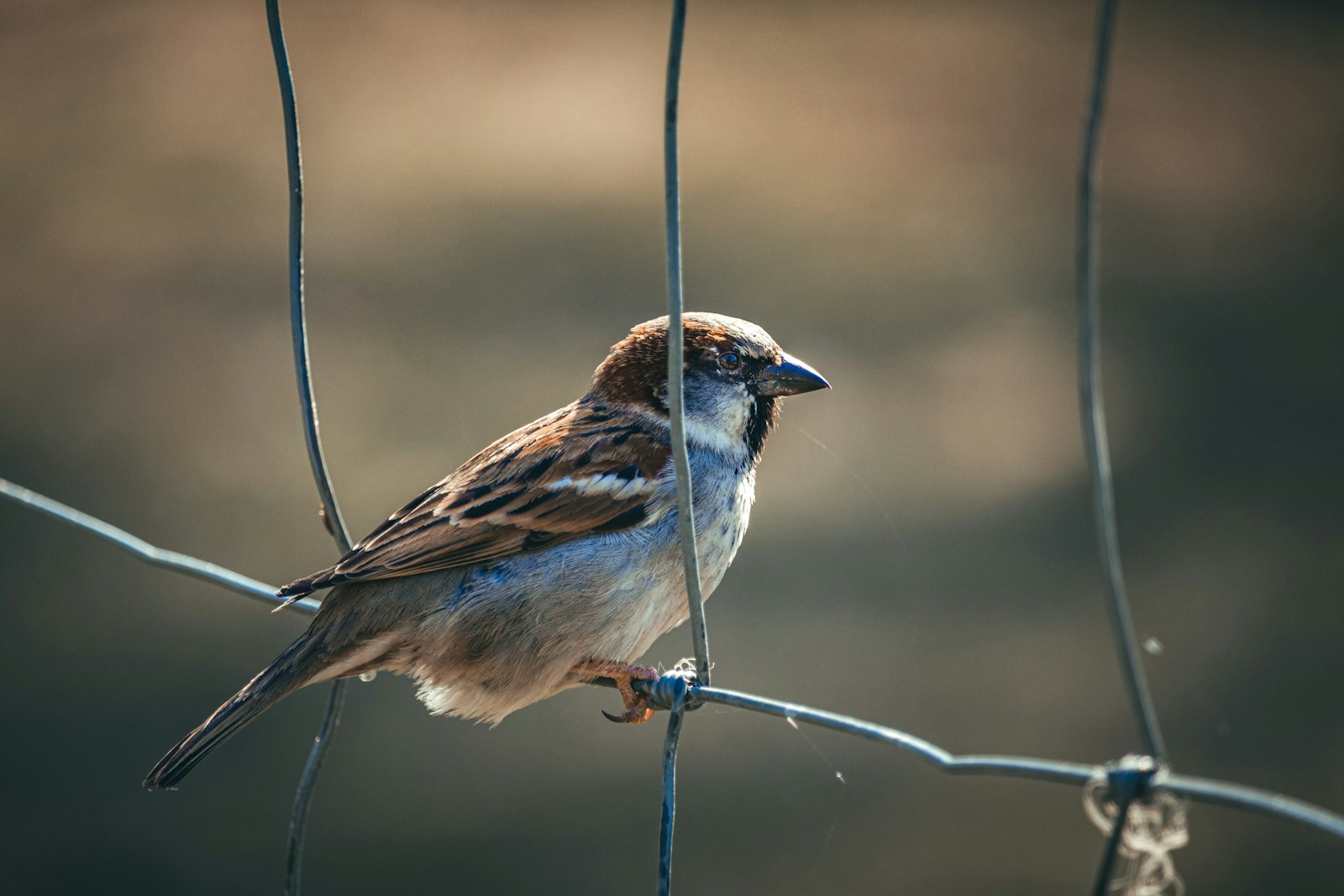
In a comprehensive survey, ornithologists have meticulously counted the number of sparrows across various regions in Russia. The study indicates that there are approximately 30 million sparrows in the country, showcasing their prevalence in urban and rural areas alike. This number is striking, considering that sparrows are often taken for granted due to their ubiquity.
Sparrows are typically seen flitting around parks, gardens, and city streets, making them a familiar sight for many. They thrive in diverse habitats, from bustling cities like Moscow to serene rural landscapes. Sparrows are not just common; they are crucial for the ecosystem, helping with pest control and seed dispersal. Their presence indicates a healthy environment, and understanding their population dynamics can provide insights into broader ecological changes.
Why Sparrows Matter
- Ecosystem Health: Sparrows contribute to pest management by feeding on insects that can damage crops and gardens. Their foraging habits help control pest populations naturally, reducing the need for chemical pesticides.
- Cultural Significance: Sparrows have a rich presence in folklore, literature, and art across various cultures. In Russia, they are often depicted in poetry and songs, symbolizing freedom and resilience.
- Biodiversity Indicators: Their population trends can signal environmental shifts. A decline in sparrow numbers may indicate broader ecological issues, such as habitat degradation or climate change impacts.
Conservation Concerns 🌍
Despite their abundance, sparrows face numerous threats, including habitat loss and urbanization. The study highlights the urgent need for conservation measures to protect these birds. Urban areas, while providing food sources, often lack the green spaces necessary for nesting and breeding. The rapid expansion of cities can lead to the destruction of habitats that sparrows rely on.
Ornithologists advocate for preserving green spaces in urban areas and promoting biodiversity-friendly practices. This includes creating parks, community gardens, and green roofs that can serve as habitats for sparrows and other wildlife. Additionally, the research points to the importance of public awareness regarding the role of sparrows in the ecosystem. Engaging communities in conservation efforts can lead to more effective protection strategies. For more on the significance of urban wildlife, check out our post on /posts/urban-wildlife-importance.
Quick Takeaways 📌
- The estimated sparrow population in Russia is around 30 million.
- Urbanization poses a significant threat to their habitats, leading to a decline in suitable nesting sites.
- Conservation efforts are essential for maintaining biodiversity and protecting sparrow populations.
- Community involvement in conservation initiatives can enhance the effectiveness of these efforts.
FAQ ❔
How do ornithologists count sparrows?
Ornithologists use a combination of field surveys, observational studies, and statistical models to estimate bird populations. Techniques such as point counts, where observers record the number of birds seen or heard from a fixed point, and transect surveys, where observers walk along a predetermined path, are commonly employed. These methods ensure accuracy and reliability in their findings.
Why are sparrows important to the ecosystem?
Sparrows play a vital role in controlling insect populations and aiding in seed dispersal, which contributes to the health of various plant species and overall ecosystem balance. Their feeding habits help maintain the ecological equilibrium, making them essential players in their habitats.
What can individuals do to help sparrows?
Individuals can support sparrow populations by creating bird-friendly environments. This includes planting native flora that provides food and shelter, providing food sources such as bird feeders, and avoiding the use of pesticides in gardens. Simple actions like leaving some areas of the garden untidy can also provide nesting materials and cover for sparrows.
What are the implications of declining sparrow populations?
A decline in sparrow populations can have cascading effects on the ecosystem. As natural pest controllers, fewer sparrows can lead to increased insect populations, which may harm crops and gardens. Additionally, sparrows serve as prey for larger birds; a decrease in their numbers can disrupt the food chain.
In conclusion, the recent findings on the sparrow population in Russia highlight not only the abundance of these birds but also the pressing need for conservation efforts. By understanding their role in the ecosystem and taking action to protect their habitats, we can ensure that sparrows continue to thrive in our environment. The preservation of sparrows is not just about saving a species; it is about maintaining the delicate balance of our ecosystems and the cultural heritage that these birds represent.