
Northern Lights Dazzle Across Multiple Regions in Russia
The Northern Lights were spotted across several regions in Russia, including Leningrad, Karelia, and Moscow. Discover the stunning views! Discover why it matter
- BackZee
- 5 min read
TL;DR 🚀
Make sure to check our deep dive on why this matters.
- The Northern Lights were visible in various regions of Russia.
- Locations included Leningrad, Karelia, and the Moscow area.
- This natural phenomenon captivated many onlookers.
- The best time to view the Northern Lights is during the winter months.
- The Northern Lights have significant scientific implications beyond their beauty.
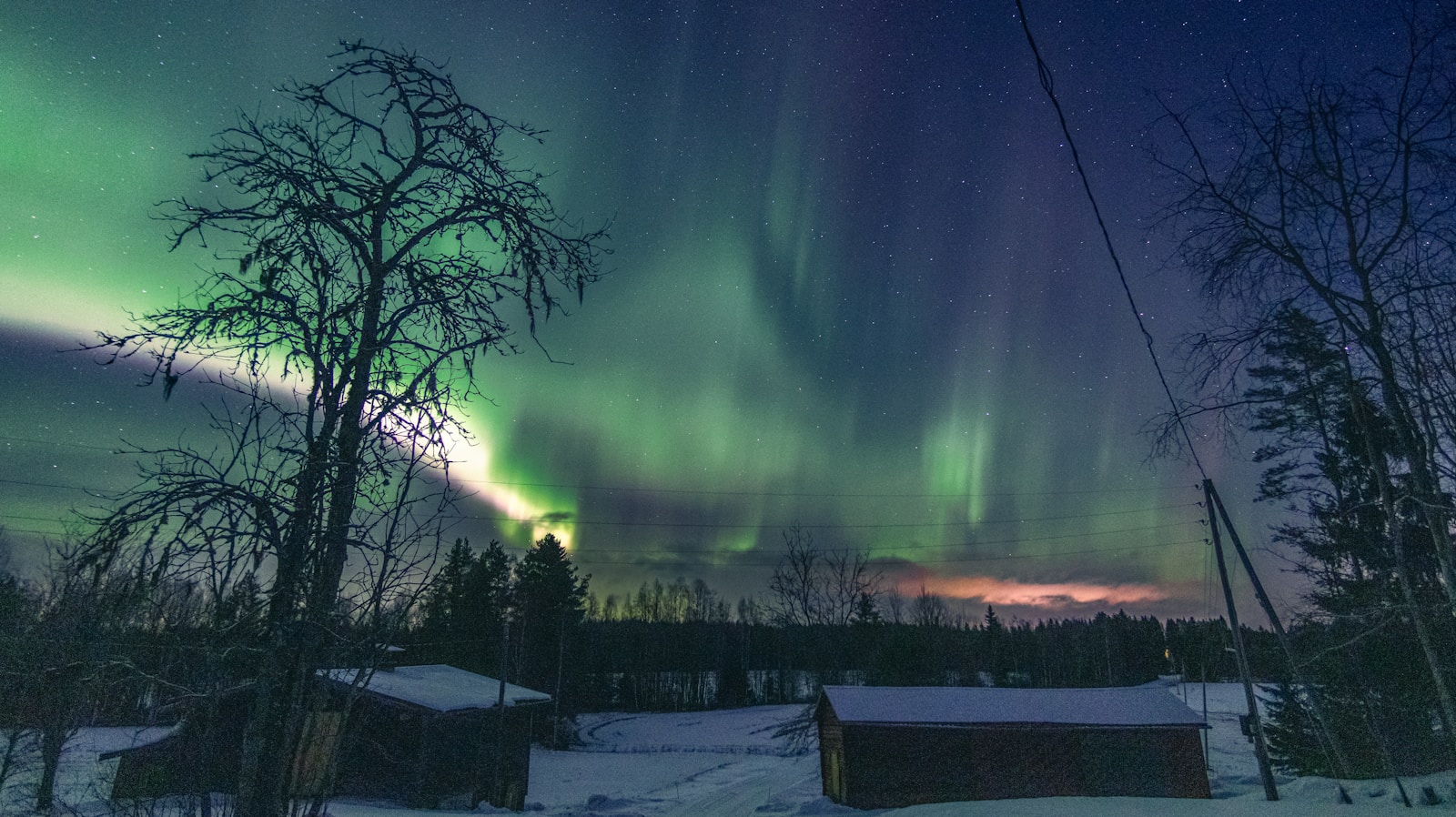
In a spectacular display of nature, the Northern Lights illuminated the skies over several regions in Russia on the night of October 19. This breathtaking phenomenon, also known as the Aurora Borealis, was particularly visible in areas like Leningrad, Karelia, and the outskirts of Moscow, drawing attention from both locals and tourists alike. The vibrant colors and dynamic movements of the lights created a mesmerizing spectacle that left many in awe.
A Celestial Spectacle 🌌
The Northern Lights are a natural light display that occurs when charged particles from the sun collide with atoms in Earth’s atmosphere. This interaction creates stunning visual effects, often seen in shades of green, pink, and purple. On the night of October 19, residents in regions such as Leningrad and Karelia were treated to a vibrant show that lit up the night sky.
For instance, in Leningrad, the lights danced across the horizon, creating a surreal backdrop to the historic architecture of the city. In Karelia, the reflection of the auroras on the pristine lakes added an ethereal quality to the experience. Many people took to social media to share their experiences and photos, showcasing the breathtaking beauty of the lights. The phenomenon is not only a visual delight but also a reminder of the wonders of our planet.
For those who missed the show, there are numerous resources available to learn more about when and where to catch the Northern Lights next. Websites and apps dedicated to aurora forecasts can help enthusiasts plan their trips more effectively.
Why the Northern Lights Matter 🌍
The Northern Lights are more than just a pretty sight; they hold significant scientific value. Researchers study these displays to understand solar activity and its effects on Earth’s atmosphere. The lights can also influence satellite communications and power grids, making them a topic of interest for scientists and engineers alike.
According to NASA, the Northern Lights occur most frequently during periods of heightened solar activity, known as solar storms. These storms can lead to increased auroral activity, providing more opportunities for viewing. Interestingly, the intensity of the auroras can vary greatly; during strong solar storms, the lights can be seen much further south than usual, sometimes even reaching areas like the northern United States and parts of Europe.
For those interested in experiencing this phenomenon, the best time to view the Northern Lights is during the winter months when the nights are longest and skies are darkest. Popular destinations for viewing include areas in northern Russia, Norway, and Canada. If you’re planning a trip, be sure to check local forecasts for optimal viewing conditions.
Quick Takeaways 📌
- The Northern Lights are caused by solar particles colliding with Earth’s atmosphere.
- They are best viewed during winter months in dark locations.
- The phenomenon has scientific significance beyond its beauty.
- Increased solar activity leads to more vibrant displays.
- Resources are available to help plan aurora-viewing trips.
FAQ ❔
What causes the Northern Lights?
The Northern Lights are caused by charged particles from the sun interacting with Earth’s magnetic field and atmosphere, creating stunning light displays. When these particles collide with gases in the atmosphere, they produce light in various colors, depending on the type of gas and its altitude.
When is the best time to see the Northern Lights?
The best time to view the Northern Lights is during the winter months, particularly from late September to early April, when nights are longest and skies are darkest. The peak viewing times are typically around midnight, although the lights can sometimes be seen as early as dusk.
Where can I see the Northern Lights?
While the Northern Lights can be seen in various locations, some of the best spots include northern regions of Russia, Canada, Norway, and Iceland. In Russia, places like Murmansk and the Kola Peninsula are renowned for their aurora displays. Check local forecasts for optimal viewing conditions, as weather and solar activity can greatly affect visibility.
How can I increase my chances of seeing the Northern Lights?
To increase your chances of witnessing the Northern Lights, consider traveling to locations with minimal light pollution, such as national parks or remote areas. Additionally, monitoring solar activity through dedicated apps or websites can help you plan your viewing around periods of heightened auroral activity.
The recent sightings of the Northern Lights across Russia have sparked excitement and wonder among those lucky enough to witness this natural marvel. As we continue to explore the beauty of our planet, events like these remind us of the magic that exists in the world around us. Whether you’re an avid traveler or a curious observer, the Northern Lights are a phenomenon worth experiencing at least once in a lifetime. The combination of scientific intrigue and sheer beauty makes this celestial event a highlight for many, and the stories shared by those who have seen it only add to its allure.