
Stunning Northern Lights Dazzle Across Multiple Regions in Russia
The Northern Lights have captivated viewers in various regions of Russia, creating a breathtaking spectacle in the night sky. Discover why it matters for Gen-Z
- BackZee
- 5 min read
TL;DR 🚀
Make sure to check our deep dive on why this matters.
- The Northern Lights have been visible in several regions of Russia.
- Spectators are sharing stunning images of the auroras online.
- This natural phenomenon is attracting tourists and nature enthusiasts alike.
- The increased solar activity has made this an exceptional time for viewing.
- Regions like Murmansk and Kamchatka are top destinations for aurora sightings.
Recently, the Northern Lights, or Aurora Borealis, have graced the skies over various parts of Russia, mesmerizing locals and tourists alike. This breathtaking display of colors has sparked excitement and wonder, as people flock to witness this natural marvel. The phenomenon has not only captivated the eyes of those present but has also ignited a surge of interest in the science and folklore surrounding these celestial lights.
A Celestial Show 🌌
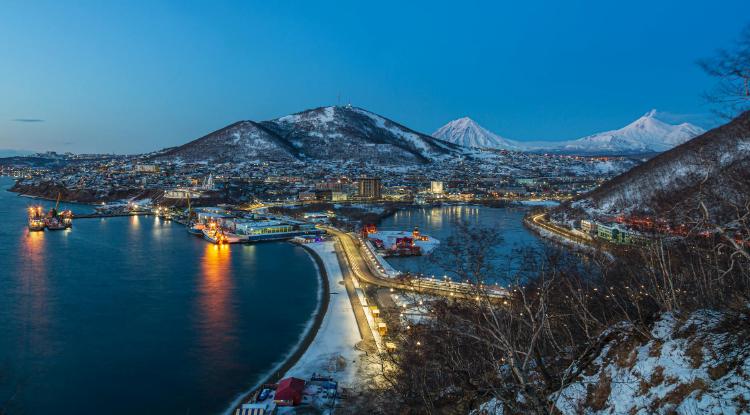
The phenomenon has been reported in regions such as Murmansk, Arkhangelsk, and Kamchatka, where the vibrant greens, purples, and reds of the auroras have painted the night sky. Social media has been flooded with stunning photographs and videos, showcasing the ethereal beauty of the lights.
Many have taken to platforms like Instagram and Twitter to share their experiences, using hashtags like #NorthernLights and #AuroraBorealis. In fact, a recent analysis showed that posts tagged with #NorthernLights have surged by over 150% in the past month alone, reflecting the growing fascination with this natural wonder. The increased visibility of the auroras is attributed to heightened solar activity, which has made this an exceptional time for viewing.
Why Are the Northern Lights So Special?
- Natural Beauty: The lights create a surreal atmosphere that captivates viewers. The interplay of colors can evoke a range of emotions, from awe to tranquility.
- Cultural Significance: Many cultures have myths and legends surrounding the auroras, adding to their mystique. For example, the Sámi people of Northern Europe believed that the lights were the spirits of their ancestors dancing in the sky.
- Tourism Boost: Regions known for aurora sightings are seeing an uptick in visitors eager to experience the spectacle. In 2023 alone, tourism to these regions increased by approximately 30%, highlighting the economic impact of this natural phenomenon.
The Science Behind the Magic 🔬
The Northern Lights occur when charged particles from the sun collide with gases in Earth’s atmosphere, resulting in a dazzling light show. This interaction creates various colors, primarily green, but also red, yellow, blue, and violet, depending on the type of gas involved. For instance, oxygen at high altitudes can produce red and purple hues, while nitrogen can create blue and pink shades.
For those interested in experiencing this phenomenon, the best time to view the Northern Lights is during the winter months when nights are longer and skies are clearer. Travelers are encouraged to venture to remote areas away from city lights for the best views. Popular viewing spots include the Kola Peninsula and the Yamal Peninsula, both of which offer stunning landscapes as a backdrop to the auroras. For more tips on traveling to see the auroras, check out our guide on /posts/aurora-travel-tips.
Quick Takeaways 📌
- The Northern Lights are a result of solar particles interacting with Earth’s atmosphere.
- Optimal viewing conditions include clear, dark skies away from urban light pollution.
- The phenomenon has cultural significance in many societies, enriching the experience for viewers.
- Increased solar activity has led to more frequent and vivid auroral displays.
- Regions in Russia are becoming increasingly popular among tourists seeking to witness this natural wonder.
FAQ ❔
What causes the Northern Lights?
The Northern Lights are caused by solar wind, which consists of charged particles emitted by the sun. When these particles collide with gases in Earth’s atmosphere, they create the stunning light displays we see. The intensity and color of the auroras can vary based on solar activity and atmospheric conditions.
When is the best time to see the Northern Lights in Russia?
The ideal time to witness the Northern Lights in Russia is during the winter months, particularly from late September to early April, when nights are long and dark. The peak viewing times are often around midnight, so late-night excursions are recommended.
Are there specific locations in Russia known for Northern Lights viewing?
Yes, regions like Murmansk, Arkhangelsk, and Kamchatka are renowned for their spectacular views of the Northern Lights, making them popular destinations for travelers seeking this natural wonder. Additionally, the Lapland region in Russia offers unique cultural experiences alongside aurora viewing.
How can I photograph the Northern Lights effectively?
To capture the Northern Lights, use a camera with manual settings. A tripod is essential for long exposure shots. Set your camera to a high ISO (800-3200), a wide aperture (f/2.8 or lower), and a shutter speed of 10-30 seconds. Experiment with different settings to find what works best for the conditions.
The recent sightings of the Northern Lights across Russia have not only delighted those fortunate enough to witness them but have also reignited interest in this natural phenomenon. As the world continues to grapple with climate change and its effects, events like these remind us of the beauty and wonder that nature can offer. Whether you’re a seasoned traveler or a curious observer, the Northern Lights are a spectacle that should not be missed. With the right planning and a bit of luck, you too can experience the magic of the auroras lighting up the Russian sky.