
Nobel Prize in Chemistry 2025: Innovations in Metal-Organic Frameworks
The 2025 Nobel Prize in Chemistry honors breakthroughs in metal-organic frameworks by Susumu Kitagawa, Richard Robson, and Omar M. Yaghi. Discover why it matter
- BackZee
- 4 min read
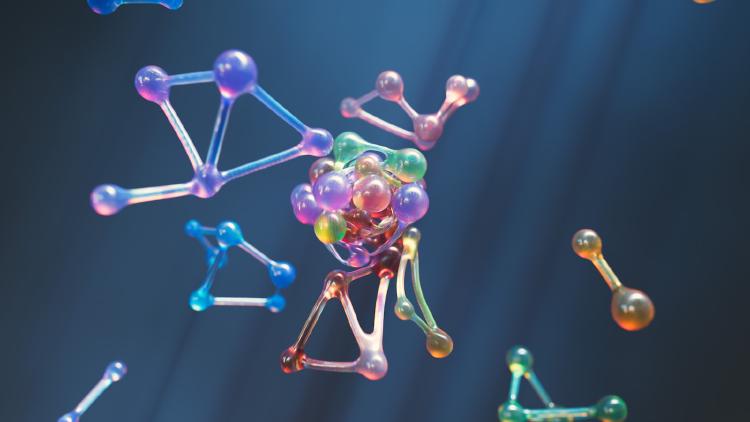
TL;DR 🚀
Make sure to check our deep dive on why this matters.
- The 2025 Nobel Prize in Chemistry awarded to three pioneers.
- Recognized for their work on metal-organic frameworks (MOFs).
- MOFs have vast applications in gas storage, catalysis, and more.
- Their innovations could significantly impact sustainable energy solutions.
- The research has sparked renewed interest and exploration in materials science.
In a remarkable celebration of scientific achievement, the 2025 Nobel Prize in Chemistry has been awarded to three distinguished researchers: Susumu Kitagawa, Richard Robson, and Omar M. Yaghi. Their groundbreaking work on metal-organic frameworks (MOFs) has opened new avenues in various fields, showcasing the potential of these innovative materials.
The Breakthrough in Metal-Organic Frameworks 🧪
Metal-organic frameworks are a class of compounds that consist of metal ions coordinated to organic ligands, forming a porous structure. This unique architecture allows MOFs to trap gases and other substances, making them incredibly useful in a variety of applications. Their versatility is one of the key reasons for the Nobel committee’s recognition.
The research conducted by Kitagawa, Robson, and Yaghi has led to the development of MOFs that can store gases like hydrogen and carbon dioxide efficiently. This is particularly significant in the context of sustainable energy and environmental protection. By improving gas storage methods, these frameworks can play a crucial role in reducing greenhouse gas emissions and enhancing energy efficiency.
Key Applications of MOFs
- Gas Storage: Efficiently capture and store gases for energy applications. For example, MOFs can store hydrogen at high densities, making them ideal for fuel cell technologies.
- Catalysis: Enhance chemical reactions in various industrial processes. MOFs can act as catalysts in the production of chemicals, reducing energy consumption and waste.
- Drug Delivery: Potential use in pharmaceuticals for targeted drug release. MOFs can encapsulate drugs and release them in a controlled manner, improving treatment efficacy.
Economic Impact of MOFs
The global market for MOFs is projected to reach $1.5 billion by 2030, driven by their applications in gas storage, catalysis, and environmental remediation. This growth reflects a broader trend towards sustainable materials and technologies, as industries seek to reduce their carbon footprints and improve efficiency.
The Impact of Their Work 🌍
The contributions of these chemists extend beyond theoretical research; they have practical implications that could transform industries. For instance, the ability to store hydrogen safely and effectively could lead to advancements in clean energy technologies. Moreover, the use of MOFs in catalysis can significantly reduce the energy required for chemical processes, making them more sustainable.
Their pioneering work has also inspired a new wave of research in the field, prompting scientists worldwide to explore the possibilities of MOFs in various applications. As the world grapples with climate change and energy challenges, the innovations stemming from their research are more relevant than ever.
Cultural Insights
The recognition of Kitagawa, Robson, and Yaghi also highlights the global nature of scientific research. Kitagawa hails from Japan, Robson from the UK, and Yaghi from the USA, illustrating how collaboration across borders can lead to significant breakthroughs. This international cooperation is essential in addressing global challenges, such as climate change and energy sustainability.
Quick Takeaways 📌
- The Nobel Prize in Chemistry 2025 honors advancements in MOFs.
- MOFs have significant implications for energy storage and environmental sustainability.
- The research encourages further exploration in the field of materials science.
- The economic potential of MOFs is substantial, with projections indicating a market growth to $1.5 billion by 2030.
- The collaborative nature of their research underscores the importance of global scientific partnerships.
FAQ ❔
What are metal-organic frameworks (MOFs)?
Metal-organic frameworks are materials made of metal ions linked by organic molecules, forming a porous structure that can trap gases and other substances. Their high surface area and tunable properties make them ideal for various applications.
Why were Kitagawa, Robson, and Yaghi awarded the Nobel Prize?
They were recognized for their groundbreaking research in developing metal-organic frameworks, which have vast applications in gas storage, catalysis, and environmental sustainability. Their work has paved the way for new technologies that can help mitigate climate change.
How do MOFs contribute to sustainability?
MOFs can efficiently store gases like carbon dioxide and hydrogen, which can help reduce greenhouse gas emissions and improve energy efficiency in various applications. Their use in catalysis can also lead to more sustainable industrial processes.
What future applications can we expect from MOFs?
As research continues, we can expect MOFs to play a role in various fields, including water purification, carbon capture, and even in the development of advanced batteries. Their adaptability and efficiency make them a focal point for future innovations.
The recognition of these three scientists underscores the importance of collaborative research in chemistry and its potential to address some of the most pressing challenges of our time. Their work not only exemplifies scientific excellence but also highlights the role of innovation in shaping a sustainable future. As we celebrate their achievements, it’s clear that the future of chemistry is bright, with endless possibilities waiting to be explored.