
New Ant Species Discovered in Japan Thrives Without Males
A groundbreaking discovery in Japan reveals a unique ant species that reproduces without males, challenging our understanding of reproduction.
- BackZee
- 4 min read
TL;DR 🚀
Make sure to check our deep dive on why this matters.
- A new ant species in Japan reproduces without male counterparts.
- This discovery challenges traditional views on ant reproduction.
- The species showcases unique adaptations for survival.
- Parthenogenesis, while rare in ants, raises questions about evolutionary strategies.
- Ongoing research may uncover more about similar reproductive adaptations in other species.
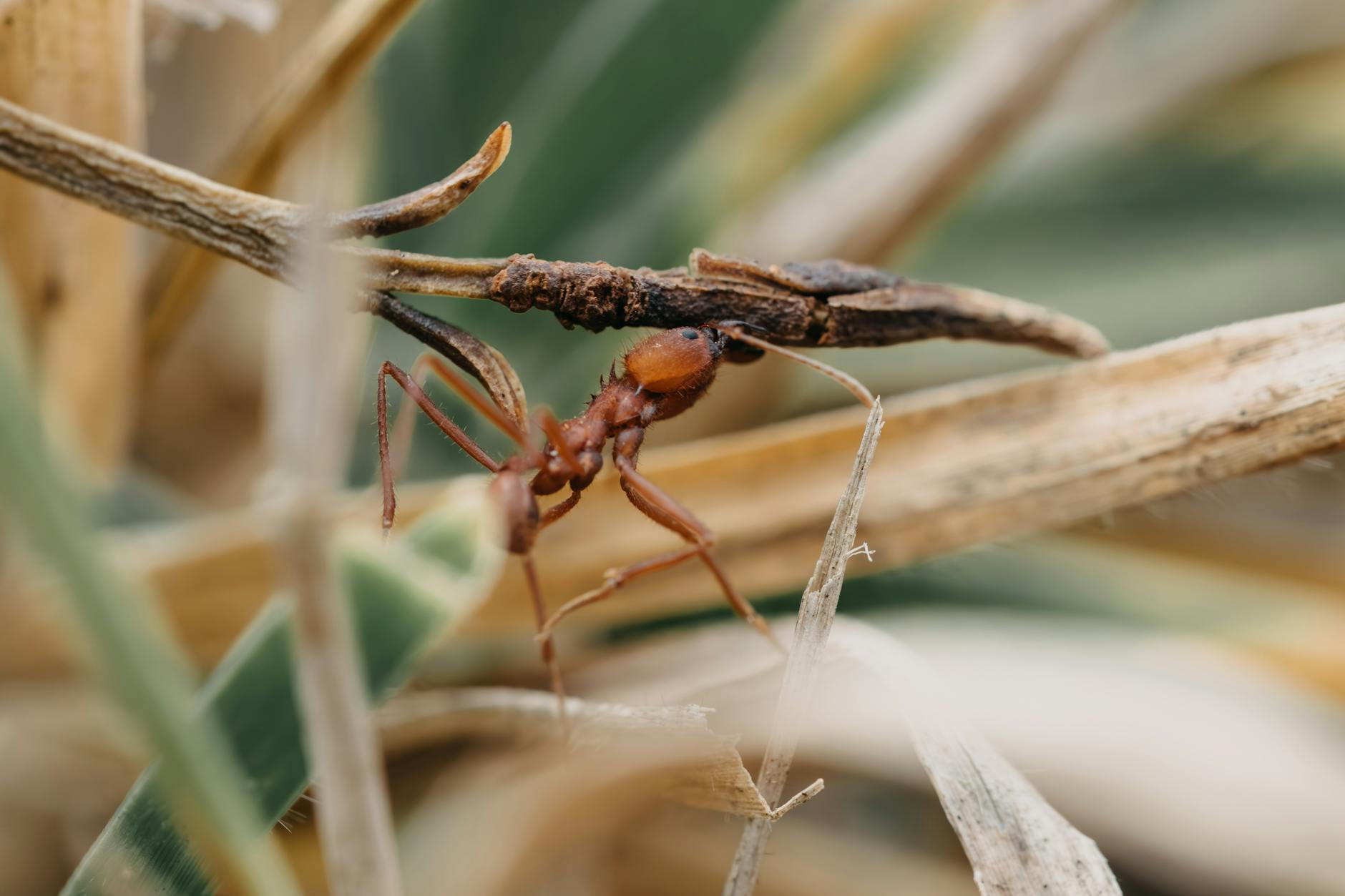
In a fascinating twist in the world of entomology, researchers in Japan have unveiled a new species of ants that can thrive without males. This groundbreaking finding not only redefines our understanding of ant reproduction but also opens up new avenues for studying evolutionary biology.
A Unique Discovery 🐜
The newly identified ant species, which has yet to be named, was found in a remote area of Japan, specifically in the lush forests of Honshu. Researchers were astonished to discover that these ants reproduce through a process known as parthenogenesis, where females can produce offspring without fertilization by males. This remarkable adaptation allows the species to flourish in environments where males may be scarce or absent.
Parthenogenesis is not entirely new in the animal kingdom; however, its occurrence in ants is relatively rare. For instance, some species of aphids and certain reptiles like the Komodo dragon exhibit similar reproductive strategies. This discovery raises intriguing questions about the evolutionary pressures that could lead to such a reproductive strategy. Could it be a response to environmental challenges, such as habitat fragmentation or climate change, or is it simply a unique evolutionary path for this species?
Interestingly, parthenogenesis can lead to a lack of genetic diversity, which is typically a disadvantage in changing environments. However, this ant species seems to have developed mechanisms to cope with such challenges, suggesting a complex interplay between genetics and environmental factors.
Implications for Evolutionary Biology 🌍
The implications of this discovery extend beyond just the ant species itself. It challenges long-held beliefs about the necessity of males in the reproductive process of social insects. Understanding this phenomenon could provide insights into the adaptability and resilience of species in changing environments. In fact, researchers are now considering whether other ant species might also possess hidden parthenogenetic capabilities, waiting to be discovered.
Moreover, this finding may prompt scientists to explore other insect species for similar reproductive adaptations. For example, the study of bees and wasps, which also have complex social structures, could yield further insights into alternative reproductive strategies. As researchers delve deeper into the genetics and behavior of this new ant species, we may uncover more about the evolutionary mechanisms at play.
The discovery also has broader implications for conservation efforts. Understanding how species adapt to their environments can inform strategies to protect them, especially in the face of rapid ecological changes. For more on the significance of reproductive strategies in nature, check out our post on /posts/evolutionary-strategies.
Quick Takeaways 📌
- The new ant species reproduces without males through parthenogenesis.
- This finding could reshape our understanding of ant biology.
- Further research may reveal more about similar adaptations in other species.
- The discovery highlights the adaptability of life forms in response to environmental pressures.
- It opens new avenues for conservation strategies focused on reproductive biology.
FAQ ❔
What is parthenogenesis?
Parthenogenesis is a form of asexual reproduction where an organism can produce offspring without fertilization. This process is observed in various species, including some insects, reptiles, and plants. In the case of the newly discovered ant species, females can produce viable eggs that develop into new ants without the need for male fertilization.
Why is this discovery significant?
This discovery is significant because it challenges the traditional understanding of reproduction in social insects, particularly ants. It highlights the potential for alternative reproductive strategies in response to environmental pressures. The ability to reproduce without males could be a crucial survival mechanism in environments where male populations are low or absent.
Are there other species that reproduce without males?
Yes, several species across different taxa exhibit parthenogenesis. For example, certain species of lizards, such as the whiptail lizard, are known to reproduce exclusively through parthenogenesis. However, its occurrence in ants is relatively rare, making this discovery particularly noteworthy in the field of entomology. The implications of this finding could lead to a reevaluation of reproductive strategies across various species.
How might this discovery affect our understanding of evolution?
This discovery could lead to a paradigm shift in how we understand evolutionary processes. It suggests that the absence of males does not necessarily hinder a species’ ability to thrive. Instead, it may indicate that some species have evolved unique reproductive strategies that allow them to adapt to specific environmental conditions. This could prompt further research into the genetic and ecological factors that influence reproductive strategies in other organisms.
As we continue to explore the intricacies of nature, this new ant species serves as a reminder of the incredible adaptability of life on Earth. The ongoing research into this phenomenon could lead to even more exciting revelations about the natural world, potentially reshaping our understanding of biology and evolution in profound ways.