
Moscow's Winter Could Be the Snowiest in 60 Years
This winter in Moscow might set records for snowfall, surpassing levels not seen since 1966. Experts predict significant precipitation ahead.
- BackZee
- 5 min read
TL;DR 🚀
Make sure to check our deep dive on why this matters.
- Moscow could experience its snowiest winter since 1966.
- Meteorologist forecasts total precipitation of around 200mm.
- This winter’s snowfall may exceed the average by 30mm.
- Residents should prepare for transportation disruptions and increased snow removal efforts.
- Historical snowfall records could be challenged this season, raising questions about climate patterns.
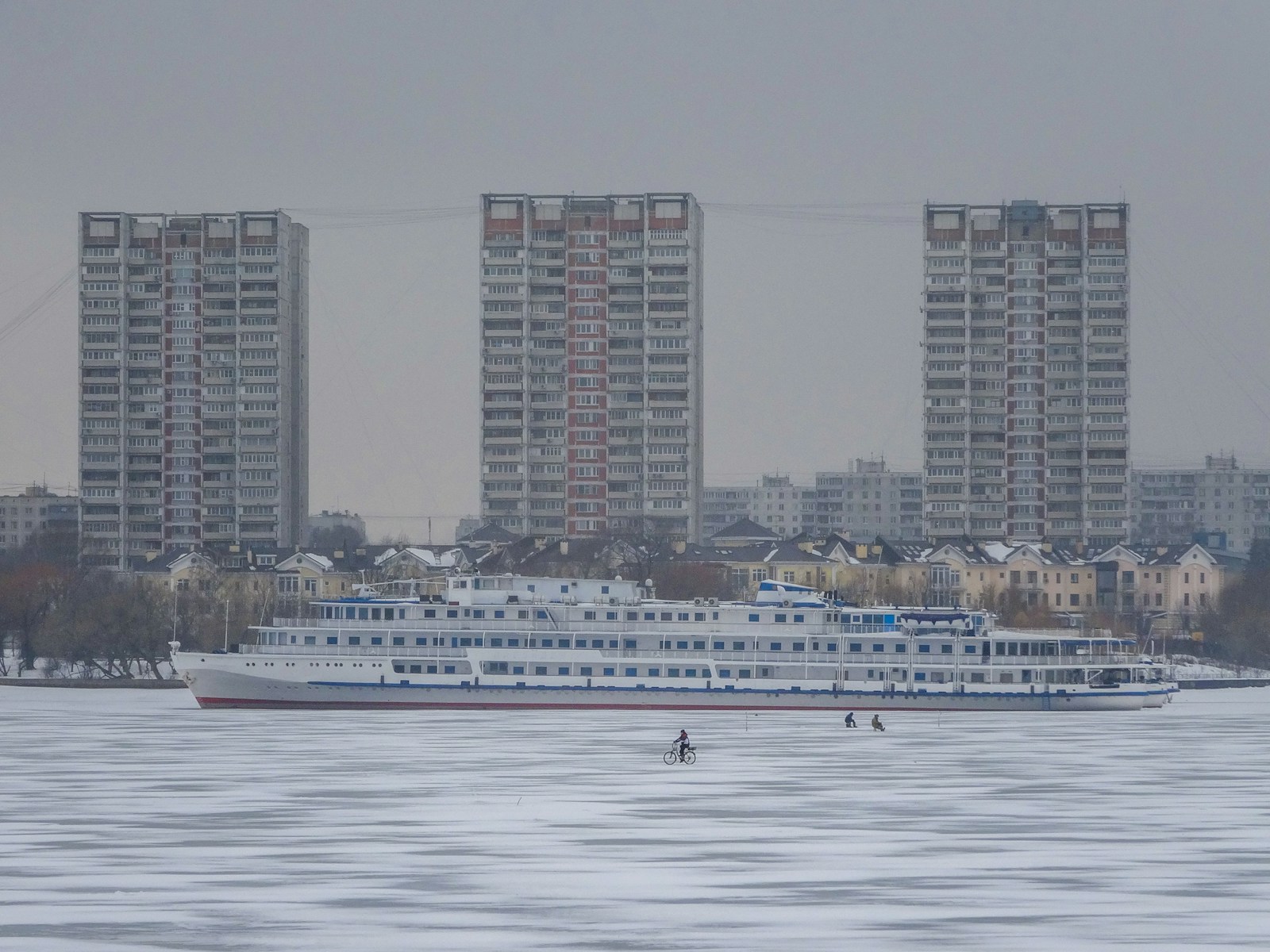
Moscow is bracing for a winter that might just go down in history as the snowiest in over half a century. According to meteorologist Nikolai Tereshonok, the city could see snowfall levels not recorded since 1966, with total precipitation potentially reaching a staggering 200 millimeters. This prediction is not only a cause for excitement but also a reminder of the challenges that come with such extreme weather conditions.
Snowfall Predictions ❄️
This winter, Moscow’s weather is shaping up to be quite extraordinary. Experts predict that the total amount of winter precipitation could surpass the norm by a significant margin. Tereshonok’s insights suggest that the city may receive 30 millimeters more snow than usual, leading to a winter wonderland that locals and visitors alike will not soon forget.
The implications of such heavy snowfall are vast. Transportation systems may face challenges, with potential delays and cancellations affecting public transit and road travel. The city’s infrastructure, which is often tested during harsh winters, may struggle to keep up with the volume of snow. Residents might need to prepare for increased snow removal efforts, as city services could be overwhelmed. It’s a good time for everyone to stock up on essentials and ensure their homes are winter-ready.
Cultural Insights
In Russia, winter is not just a season; it’s a cultural phenomenon. The long, snowy months are celebrated with various traditions, from winter festivals to traditional foods like borscht and pelmeni. The anticipated heavy snowfall could enhance these cultural practices, as families gather to enjoy winter sports, build snowmen, and partake in traditional sledding. The picturesque scenes created by the snow can also inspire artists and photographers, capturing the beauty of Moscow’s winter landscape.
Historical Context 📅
To put this winter’s forecast into perspective, we need to look back at Moscow’s snowy past. The last time the city experienced a winter this snowy was in 1966. During that season, residents were treated to an impressive blanket of snow that transformed the urban landscape into a picturesque scene. Historical records indicate that the snowfall in 1966 reached approximately 210mm, setting a benchmark that this winter may challenge.
The winter of 1966 was marked not only by heavy snowfall but also by the resilience of the city’s residents. Many took to the streets with sleds and skis, turning the challenges of snow-covered roads into opportunities for recreation. This year, as the city prepares for similar conditions, it’s worth reflecting on how the community can come together to embrace the winter weather while ensuring safety and preparedness.
As we approach the peak of winter, it’s essential to keep an eye on weather updates. For those interested in how climate patterns are shifting, this winter could serve as a case study. You can explore more about climate changes and their effects on weather patterns in our related post on /posts/climate-change-impacts.
Quick Takeaways 📌
- Moscow’s winter may exceed 200mm of snowfall.
- Predictions indicate a 30mm increase over the average.
- Historical snowfall records could be challenged this season.
- Cultural traditions may be enhanced by the heavy snowfall.
- Residents should prepare for potential disruptions in daily life.
FAQ ❔
What makes this winter in Moscow so unique?
This winter is unique due to the potential for record-breaking snowfall, with predictions suggesting it could be the snowiest since 1966. The expected precipitation levels are significantly higher than the average, which could lead to various impacts on daily life, from transportation disruptions to increased demand for snow removal services.
How should residents prepare for heavy snowfall?
Residents should ensure they have adequate supplies, such as food and heating, and prepare for potential disruptions in transportation. It’s also wise to have snow removal tools ready and to stay informed about weather updates. Additionally, checking on neighbors, especially the elderly or those with mobility issues, can foster community spirit during challenging weather.
Are there any safety concerns with heavy snowfall?
Yes, heavy snowfall can lead to hazardous conditions, including slippery roads and potential roof collapses. It’s crucial for residents to stay safe by avoiding unnecessary travel during severe weather and to clear snow from walkways and roofs as needed. Furthermore, being aware of the signs of hypothermia and frostbite is essential for those who must venture outside.
How does heavy snowfall affect the local economy?
Heavy snowfall can have both positive and negative effects on the local economy. On one hand, it can boost businesses related to winter sports and tourism, as visitors flock to enjoy the snowy landscape. On the other hand, it can strain resources and disrupt local businesses due to transportation delays and increased operational costs for snow removal. Balancing these effects is crucial for the city’s economic health during winter months.
What are the long-term implications of changing snowfall patterns?
Changing snowfall patterns can have significant long-term implications for urban planning, infrastructure, and climate policy. As winters become more unpredictable, cities like Moscow may need to invest in better snow management systems and consider climate resilience strategies to adapt to these changes. Understanding these patterns can help inform future decisions and prepare for the challenges ahead.