
Moscow Set to Launch Self-Driving Taxis in 2026
Moscow plans to introduce self-driving taxis with test drivers in 2026, as announced by Prime Minister Mikhail Mishustin. Discover why it matters for Gen-Z read
- BackZee
- 5 min read
TL;DR 🚀
Make sure to check our deep dive on why this matters.
- Moscow is gearing up for self-driving taxis by 2026.
- Test drivers will be present in the vehicles initially.
- The announcement was made by Prime Minister Mikhail Mishustin.
- The initiative aims to reduce traffic congestion and emissions.
- Moscow’s project is part of a global trend towards autonomous vehicle adoption.
Moscow is on the brink of a transportation revolution with plans to roll out self-driving taxis in 2026. This initiative, highlighted by Prime Minister Mikhail Mishustin during the “Digital Solutions” forum, marks a significant step towards embracing autonomous vehicle technology in urban settings. The project is not merely a technological advancement; it reflects a broader vision for the future of urban mobility in one of the world’s largest cities.
The Future of Transportation in Moscow 🚖
The introduction of self-driving taxis is not just a futuristic concept; it’s becoming a reality. The city is collaborating with commercial companies, including tech giants and local startups, to ensure that these vehicles are ready for public use. Initially, these taxis will have a test driver onboard to ensure safety and reliability. This cautious approach aims to build public trust in the technology while gathering valuable data on its performance.
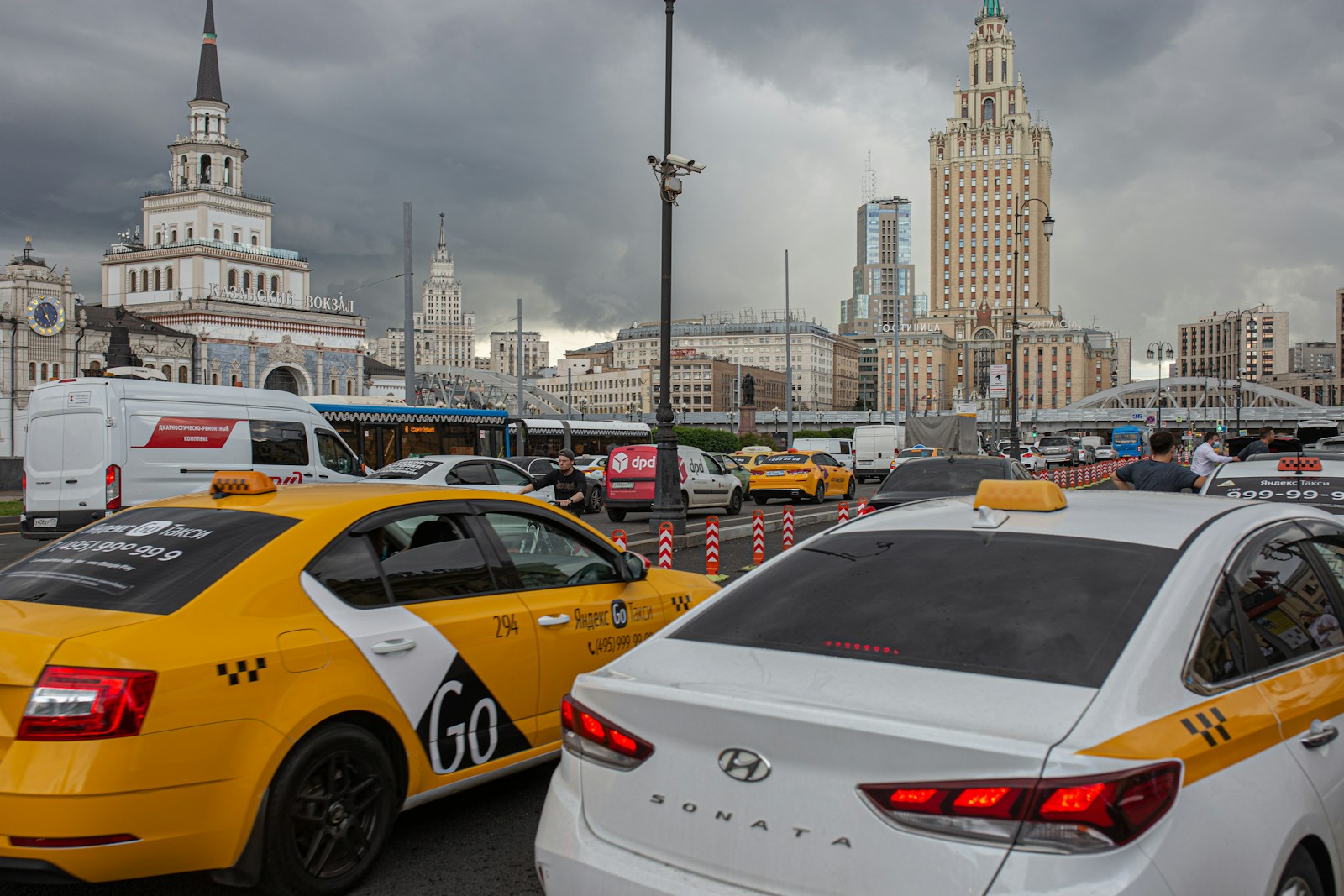
Moscow’s transportation infrastructure has long been plagued by congestion, with the city ranking among the most traffic-congested in the world. According to a 2023 report by INRIX, Moscow was ranked 4th globally for traffic jams, with drivers spending an average of 91 hours a year stuck in traffic. The introduction of autonomous taxis is part of a broader strategy to modernize Moscow’s transportation infrastructure, aiming to alleviate these issues. With the rise of autonomous vehicles, the city is looking to reduce traffic congestion and improve overall efficiency. The integration of these taxis could also lead to a decrease in emissions, aligning with global sustainability goals.
What to Expect from Self-Driving Taxis 🤖
As the launch date approaches, several key features of the self-driving taxis are being discussed. Here are some highlights:
- Safety First: The presence of a test driver will help monitor the vehicle’s performance and ensure passenger safety. This driver will be trained to take control if necessary, providing an additional layer of security.
- Advanced Technology: These taxis will be equipped with cutting-edge sensors, cameras, and AI systems to navigate the bustling streets of Moscow. The technology will include LIDAR and computer vision systems that allow the vehicle to perceive its environment accurately.
- User-Friendly Experience: Passengers can expect a seamless ride, with easy-to-use interfaces for booking and payment. The taxis may also feature in-vehicle entertainment systems and connectivity options to enhance the passenger experience.
The city is also exploring partnerships with tech companies to enhance the capabilities of these vehicles. This collaboration could lead to innovations that improve the overall user experience and operational efficiency. For instance, partnerships with companies specializing in AI and machine learning could result in smarter navigation systems that adapt to real-time traffic conditions.
Quick Takeaways 📌
- Moscow’s self-driving taxis will launch in 2026.
- Test drivers will be present during initial operations.
- The initiative aims to modernize urban transportation.
- Advanced technology will ensure safety and efficiency.
- The project is part of a global trend towards autonomous vehicles.
Cultural Insights and Global Context 🌍
Moscow’s initiative aligns with a global trend towards the adoption of autonomous vehicles. Cities like San Francisco, Tokyo, and Beijing are also testing self-driving taxis, reflecting a growing acceptance of this technology. In fact, according to a 2022 report by McKinsey, the autonomous vehicle market is projected to reach $1.5 trillion by 2030, driven by advancements in technology and increasing urbanization.
Culturally, the acceptance of self-driving taxis in Moscow may hinge on public perception of safety and reliability. In Russia, where public transportation is widely used, the introduction of autonomous vehicles could reshape commuting habits. However, it will be crucial for the government and companies involved to address concerns about job displacement for taxi drivers and the ethical implications of autonomous driving technology.
FAQ ❔
What are self-driving taxis?
Self-driving taxis are vehicles that operate autonomously without human intervention. They use advanced technologies like sensors, cameras, and AI to navigate and transport passengers safely.
How will safety be ensured?
Initially, a test driver will be present in the vehicle to monitor its performance and ensure passenger safety. This approach allows for real-time adjustments and data collection, which will be crucial for refining the technology.
What impact will this have on Moscow’s transportation?
The introduction of self-driving taxis is expected to reduce traffic congestion, improve efficiency, and contribute to sustainability efforts by lowering emissions. It may also lead to a shift in public transportation dynamics, encouraging more people to opt for autonomous rides.
How will the public respond to self-driving taxis?
Public acceptance will depend on various factors, including perceived safety, reliability, and the effectiveness of communication from the government and companies involved. Education campaigns may be necessary to inform the public about the benefits and safety measures of autonomous vehicles.
What are the next steps for the project?
As the launch date approaches, further testing and refinement of the technology will take place. Public trials may be conducted to gather feedback and improve the user experience before the full rollout in 2026.
As Moscow prepares for this exciting leap into the future, the implications of self-driving taxis extend beyond just convenience. They represent a shift in how we think about urban mobility and the potential for technology to reshape our daily lives. With the right measures in place, the city could become a leader in the autonomous vehicle movement, setting a precedent for other urban centers around the globe.