
Moscow's Lefortovo Glass Institute to Transform into Business Hub
The historic Glass Institute in Lefortovo, Moscow, is set to be redeveloped into a modern business center, blending history with innovation.
- BackZee
- 5 min read
TL;DR 🚀
Make sure to check our deep dive on why this matters.
- The Glass Institute in Lefortovo is being redeveloped into a modern business center.
- The project aims to blend historical architecture with contemporary commercial needs.
- The initiative will enhance the local community by creating jobs and fostering innovation.
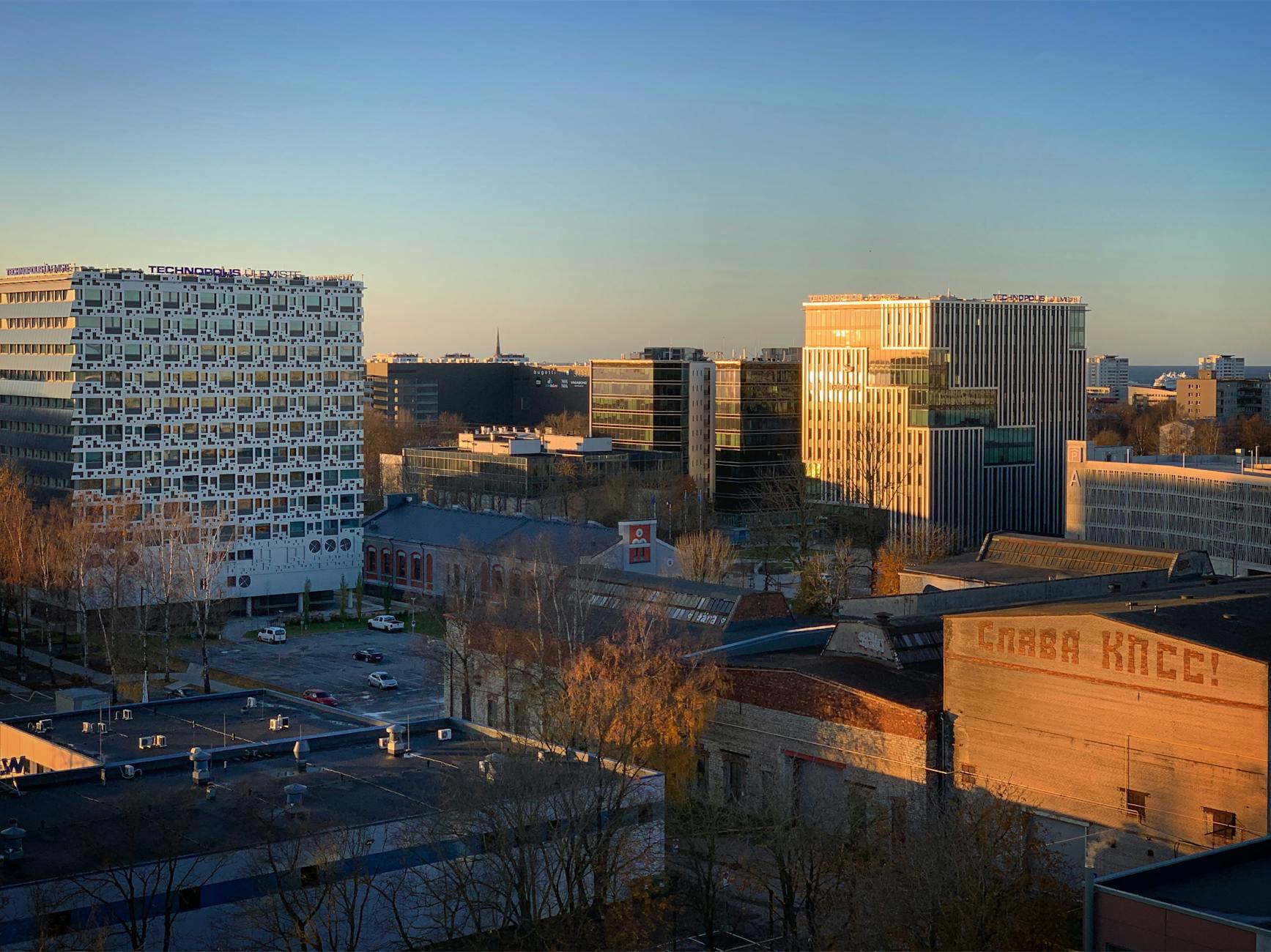
In an exciting development for Moscow’s Lefortovo district, the historic Glass Institute is set to undergo a significant transformation. This redevelopment will convert the institute into a vibrant business center, merging the area’s rich history with modern commercial needs. The Glass Institute, established in the early 20th century, has been a cornerstone of glass production and innovation in Russia, making its redevelopment a notable event in the context of urban renewal.
A New Vision for Lefortovo 🏙️
The Glass Institute, known for its unique architectural style and historical significance, will soon be reimagined. The project aims to create a dynamic workspace that caters to startups and established companies alike. This initiative is part of a broader trend in urban renewal, where old structures are revitalized to meet contemporary demands.
According to a report by the Moscow Urban Development Department, similar projects have seen a 30% increase in local business activity within the first year of completion. This redevelopment will not only preserve the architectural integrity of the Glass Institute but also enhance the surrounding community. By introducing modern amenities and flexible office spaces, the project is expected to attract a diverse range of businesses, from tech startups to creative agencies.
This transformation is a testament to the city’s commitment to fostering innovation while respecting its historical roots. The blend of old and new is not just a design choice; it reflects a cultural ethos that values heritage while embracing progress.
Blending History with Modernity 🔄
The plan for the Glass Institute is to create a business hub that reflects both the past and the future. The design will incorporate elements of the original structure, ensuring that the historical essence remains intact. This approach is crucial in maintaining the character of Lefortovo, a district known for its rich cultural heritage, including the nearby Lefortovo Park, which dates back to the 18th century.
As part of the redevelopment, there will be a focus on sustainability and eco-friendly practices. The new business center will feature green spaces, energy-efficient systems, and modern infrastructure. This aligns with global trends towards sustainable urban development, making the project not just a local initiative but part of a larger movement. For instance, the inclusion of solar panels and rainwater harvesting systems is expected to reduce the building’s carbon footprint by 25%.
Quick Takeaways 📌
- The Glass Institute’s redevelopment is a key urban renewal project that will enhance local business activity.
- The new business center will include green spaces and modern amenities, promoting sustainability.
- The initiative aims to attract a variety of businesses while preserving historical elements.
The Impact on the Community 🌍
The transformation of the Glass Institute is expected to have a positive impact on the local community. By creating new job opportunities and attracting businesses, the project will stimulate economic growth in Lefortovo. According to local economic forecasts, the redevelopment could generate up to 1,500 new jobs in various sectors, from technology to hospitality.
Additionally, the revitalization of this historic site will enhance the overall aesthetic of the area, making it more appealing to residents and visitors alike. The introduction of a business center in Lefortovo will foster collaboration among local entrepreneurs and startups. This environment can lead to innovation and creativity, positioning Lefortovo as a hub for emerging businesses.
The project is not just about physical space; it’s about creating a vibrant community where ideas can flourish. Local art initiatives and community events are expected to be integrated into the business center’s offerings, further enriching the cultural fabric of the area.
FAQ ❔
What is the timeline for the Glass Institute redevelopment?
The redevelopment is expected to commence in the coming months, with completion projected within the next few years, depending on various factors including funding and construction logistics.
Will the historical features of the Glass Institute be preserved?
Yes, the redevelopment plan includes a commitment to preserving the historical architecture of the Glass Institute while integrating modern design elements. This includes maintaining the original façade and key structural components.
How will this project benefit local businesses?
The new business center will provide affordable office spaces, networking opportunities, and access to resources that can help local businesses grow and thrive in a competitive market. Additionally, the presence of diverse businesses can lead to increased foot traffic and customer engagement.
What types of businesses are expected to move into the new center?
The center is designed to attract a variety of businesses, including tech startups, creative agencies, and small enterprises in sectors like design, marketing, and consulting. The flexible office spaces will cater to different needs, from co-working environments to private offices.
The transformation of the Glass Institute in Lefortovo represents a significant step towards modernizing Moscow while honoring its rich history. As the project unfolds, it will be fascinating to see how this blend of old and new shapes the future of the district and its community. The redevelopment not only aims to create a thriving business environment but also to inspire a new generation of entrepreneurs who will carry forward the legacy of innovation that the Glass Institute has long represented.