
Madagascar's Lemurs Face Extinction Threat from Gourmet Lovers
Madagascar's unique lemurs are endangered due to demand for exotic delicacies. Learn about the impact and conservation efforts. Discover why it matters for Gen-
- BackZee
- 5 min read
TL;DR 🚀
Make sure to check our deep dive on why this matters.
- Madagascar’s lemurs are endangered due to culinary demand.
- Gourmet enthusiasts are driving the illegal hunting of these primates.
- Conservation efforts are crucial to protect these unique species.
- Community engagement and alternative livelihoods are vital for successful conservation.
- Global awareness and support can significantly impact lemur protection efforts.
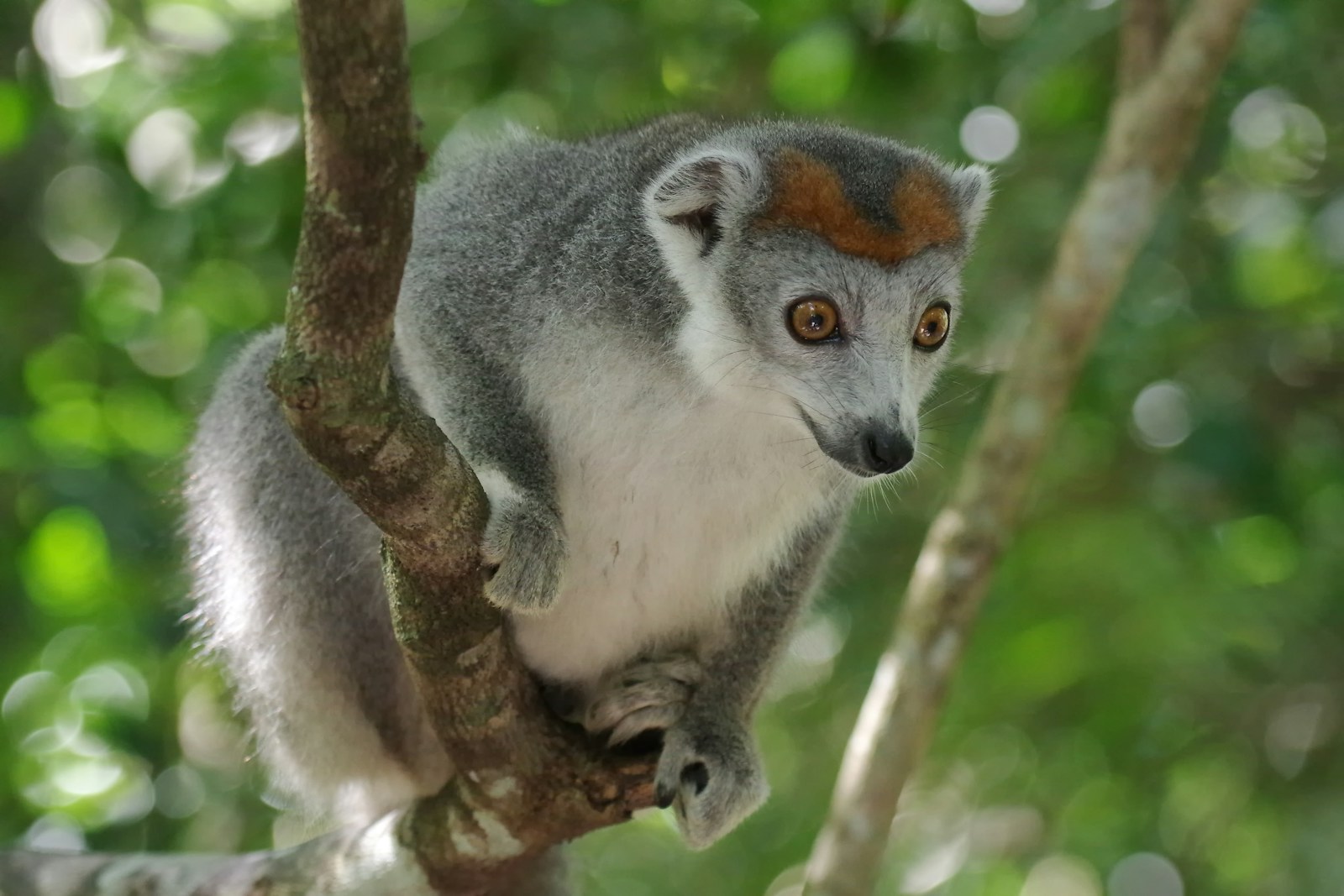
Madagascar’s lemurs, known for their unique characteristics and behaviors, are facing a dire threat as they become targets for gourmet food enthusiasts. The rising trend of exotic delicacies has led to an alarming increase in illegal hunting, putting these remarkable primates on the brink of extinction. With over 100 species of lemurs, many of which are critically endangered, the situation is becoming increasingly urgent.
The Gourmet Crisis 🍽️
The demand for exotic meats has surged, with lemurs being a sought-after delicacy in some circles. This trend has resulted in a dramatic decline in their populations, as hunters exploit the situation to cater to culinary fads. The culinary world often romanticizes the idea of consuming rare and unique animals, which can lead to devastating consequences for biodiversity. In fact, a 2022 study indicated that illegal hunting has contributed to a 30% decline in certain lemur populations over the last decade.
Lemurs are not just another animal; they are endemic to Madagascar, meaning they are found nowhere else on Earth. Their ecological role is vital, as they help in seed dispersal and maintaining the health of their forest habitats. The loss of lemurs could disrupt entire ecosystems, leading to further biodiversity loss. For example, the extinction of a single lemur species can lead to the decline of various plant species that rely on them for seed dispersal, creating a cascading effect throughout the ecosystem.
The Impact of Illegal Hunting 🚨
Illegal hunting for lemurs is not just a local issue; it has global implications. The rise in demand has encouraged poachers to target these animals, often using unsustainable methods that threaten their survival. Conservationists are raising alarms about the urgent need for protective measures to curb this trend. According to the World Wildlife Fund (WWF), Madagascar’s biodiversity is among the most threatened in the world, with lemurs being one of the most affected groups.
Efforts to combat this crisis include education campaigns aimed at raising awareness about the importance of lemurs and the consequences of their consumption. Additionally, organizations are working to strengthen laws against poaching and promote sustainable alternatives for food enthusiasts. For instance, the Lemur Conservation Network has launched initiatives to educate chefs and culinary professionals about the ecological impact of their food choices, encouraging them to source sustainable ingredients instead.
Quick Takeaways 📌
- Illegal hunting of lemurs is driven by gourmet food trends.
- Conservation efforts are essential to protect these species.
- Raising awareness can help curb the demand for exotic meats.
- Community involvement is crucial for successful conservation strategies.
- Global support can enhance the effectiveness of local conservation efforts.
Conservation Efforts in Action 🌍
Various organizations are stepping up to protect Madagascar’s unique wildlife. Initiatives include habitat restoration, community engagement, and stricter enforcement of wildlife protection laws. By involving local communities in conservation efforts, there is a greater chance of success.
For instance, the Madagascar Biodiversity Partnership focuses on educating locals about the ecological importance of lemurs and providing alternative livelihoods that do not rely on hunting. This approach not only helps in conserving lemurs but also supports the local economy. In one successful project, local farmers were trained in sustainable agriculture practices, which reduced their reliance on hunting for income.
Moreover, ecotourism is being promoted as a sustainable way to appreciate Madagascar’s wildlife without harming it. Tourists are encouraged to visit lemur reserves, where they can observe these animals in their natural habitat, contributing to conservation funding. In 2023, ecotourism generated over $1 million for local conservation efforts, demonstrating its potential as a viable alternative to hunting.
The Role of Global Awareness 🌐
The global community plays a crucial role in the fight against the extinction of lemurs. By raising awareness about the plight of these animals, people can help shift perceptions about consuming exotic meats. Social media campaigns and documentaries can highlight the beauty and importance of lemurs, encouraging a more ethical approach to wildlife. For example, the viral campaign #SaveTheLemurs has reached millions, educating audiences about the threats lemurs face and how they can help.
Additionally, supporting organizations that work on the ground in Madagascar can make a significant difference. Donations and volunteer efforts can help fund conservation projects and provide resources for local communities. Engaging with local artisans and businesses that promote sustainable practices can also create a ripple effect, encouraging more people to consider the impact of their choices.
FAQ ❔
Why are lemurs endangered?
Lemurs are endangered primarily due to habitat loss and illegal hunting driven by demand for exotic meats. Their unique ecological role makes their decline particularly concerning.
What can be done to help lemurs?
Supporting conservation organizations, raising awareness about the importance of lemurs, and promoting sustainable tourism are effective ways to help protect these species. Individuals can also advocate for stronger laws against wildlife trafficking.
How does illegal hunting affect ecosystems?
Illegal hunting disrupts the balance of ecosystems, as lemurs play a vital role in seed dispersal and maintaining forest health. Their decline can lead to broader biodiversity loss, affecting not just other species but also the overall health of the forest.
What are some successful conservation initiatives?
Successful initiatives include community-based conservation programs that provide alternative livelihoods, habitat restoration projects, and ecotourism ventures that generate funding for conservation efforts. These programs often involve local communities in decision-making, ensuring that they benefit from conservation.
By understanding the challenges faced by Madagascar’s lemurs and supporting conservation efforts, we can work together to ensure that these incredible creatures do not vanish from our planet.