
Kangaroo Island Considers Cat Ban to Protect Native Wildlife
Kangaroo Island is moving to ban cats to safeguard its unique wildlife. Discover the implications of this potential legislation. Discover why it matters and wha
- BackZee
- 5 min read
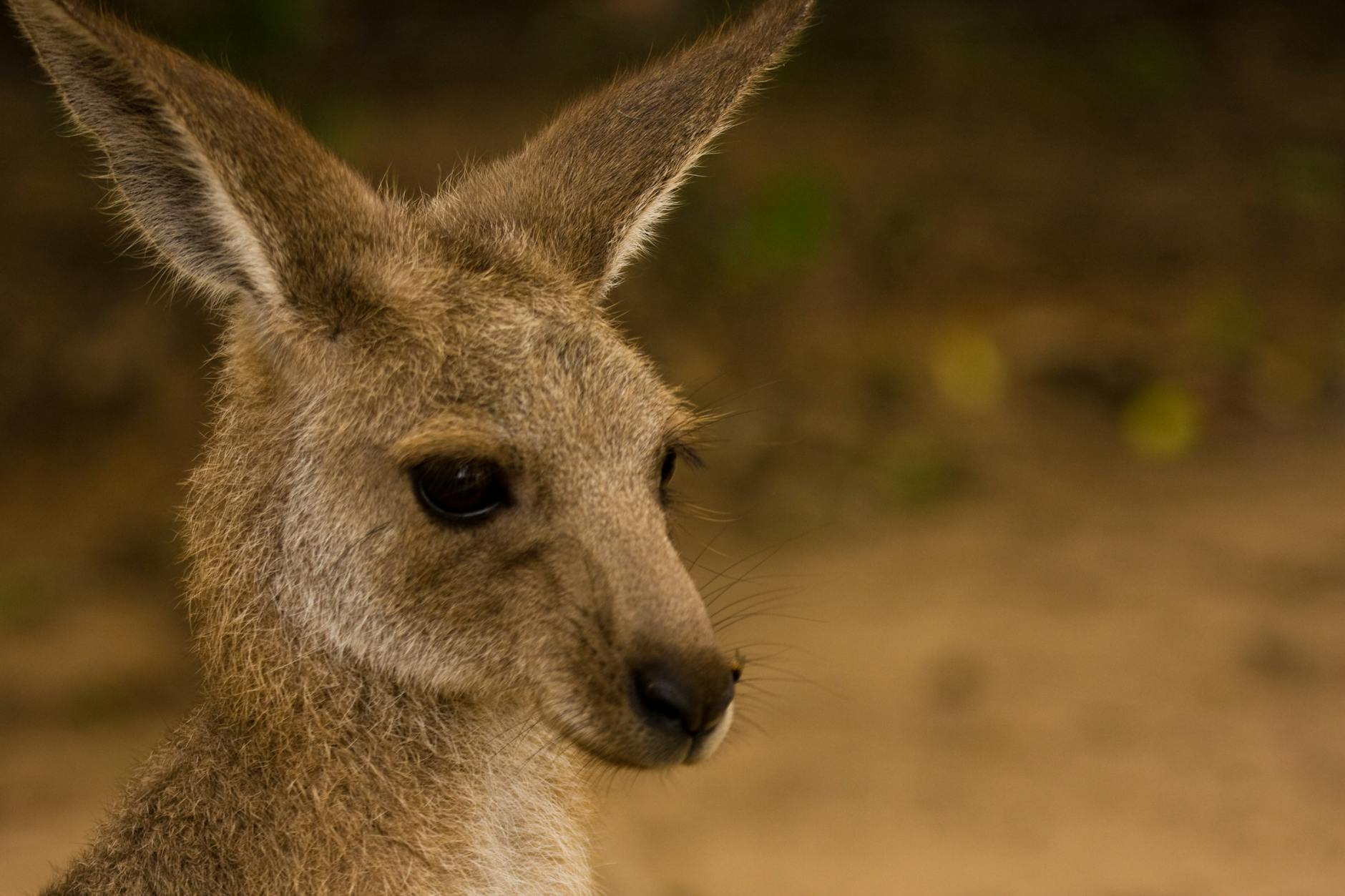
TL;DR 🚀
Make sure to check our deep dive on why this matters.
- Kangaroo Island may impose a ban on cats to protect its unique wildlife.
- The move aims to safeguard endangered species like the glossy black cockatoo.
- Community opinions are divided, with some advocating for responsible pet ownership instead of a ban.
- Alternative measures such as mandatory cat registration are being considered.
- The situation reflects a broader global challenge of invasive species management.
Kangaroo Island, a stunning gem off the coast of Australia, is contemplating a significant change: a ban on the importation and ownership of cats. This proposed legislation stems from concerns about the impact of domestic cats on the island’s unique ecosystem, which is home to various endangered species. As the debate heats up, the community grapples with the balance between pet ownership and wildlife conservation.
The Wildlife Dilemma 🦘
Kangaroo Island boasts a rich array of wildlife, including the endangered glossy black cockatoo and the rare Kangaroo Island dunnart. Cats are natural predators, and their presence poses a serious threat to these vulnerable species. According to a study published by the Australian government, domestic cats are responsible for the deaths of an estimated 75 million native animals each year in Australia alone. The proposed ban is seen as a necessary step to preserve the island’s biodiversity and protect its native fauna.
Local authorities are advocating for the ban, citing studies that show cats can significantly reduce wildlife populations. For instance, the glossy black cockatoo, which feeds primarily on native seeds, has seen its numbers dwindle due to habitat loss and predation. In response, some residents are expressing concerns about the implications for pet owners. Many argue that responsible cat ownership should be encouraged rather than outright prohibition. This has sparked a lively debate within the community about the best ways to safeguard the island’s unique environment while respecting the rights of pet owners.
Community Reactions 💬
The proposal has elicited mixed reactions from residents. Some support the ban wholeheartedly, believing it is essential for the island’s ecological health. Others, however, feel that the legislation is too extreme and that there are better ways to manage the cat population.
To address these concerns, local officials are considering measures such as mandatory cat registration and strict guidelines for pet ownership. These alternatives could help mitigate the impact of cats on wildlife without resorting to a complete ban. For example, a registration system could ensure that all cats are microchipped and kept indoors during certain hours, thereby reducing their hunting opportunities. The community is also encouraged to participate in discussions and provide feedback on the proposed legislation.
Quick Takeaways 📌
- Kangaroo Island’s unique wildlife is at risk from domestic cats.
- A proposed ban aims to protect endangered species like the glossy black cockatoo.
- Community opinions are split on the effectiveness of a cat ban.
- Alternative measures, such as mandatory registration, are being considered.
- The situation reflects a broader global challenge of invasive species management.
The Broader Context 🌍
Kangaroo Island is not alone in facing challenges related to invasive species. Many regions worldwide are grappling with similar issues, where domestic animals threaten local wildlife. For instance, in New Zealand, there have been ongoing efforts to control cat populations to protect native birds, with some areas even declaring a “cat-free” status to safeguard their ecosystems. These global examples highlight the urgent need for effective wildlife conservation strategies.
In Australia, the conversation around invasive species is gaining momentum, with various states implementing measures to protect their unique ecosystems. The potential cat ban on Kangaroo Island could set a precedent for other regions facing similar challenges. According to the Invasive Species Council of Australia, invasive species are estimated to cost the Australian economy over $1 billion annually in damage and control efforts. For more insights on wildlife conservation efforts, check out our post on /posts/wildlife-conservation-strategies.
FAQ ❔
Why is Kangaroo Island considering a cat ban?
The island is home to several endangered species, and cats pose a significant threat to these native animals. The proposed ban aims to protect the fragile ecosystem, which is already under pressure from habitat loss and climate change.
What alternatives are being considered instead of a ban?
Local authorities are exploring options like mandatory cat registration and guidelines for responsible pet ownership to manage the cat population without a complete ban. These measures could include education campaigns about keeping cats indoors and the importance of spaying and neutering.
How can residents participate in the discussion?
Residents are encouraged to attend community meetings and provide feedback on the proposed legislation to ensure their voices are heard in the decision-making process. Additionally, an online survey has been launched to gather opinions and suggestions from the broader community.
What are the potential consequences of not addressing the cat population?
Failure to manage the cat population could lead to further declines in native species, disrupting the ecological balance of the island. This could have long-term implications for biodiversity and the health of the island’s ecosystems, potentially leading to irreversible changes.
How can pet owners prepare for potential changes?
Pet owners should start considering responsible practices, such as keeping their cats indoors, ensuring they are microchipped, and participating in community discussions about the proposed legislation. Engaging with local wildlife conservation efforts can also help foster a more harmonious relationship between pets and the environment.