
India's Unique Border Security: Snakes and Crocodiles on Patrol
India plans to enhance border security by employing snakes and crocodiles, showcasing a unique approach to wildlife utilization. Discover why it matters and wha
- BackZee
- 5 min read
TL;DR 🚀
Make sure to check our deep dive on why this matters.
- India is exploring the use of snakes and crocodiles for border security.
- This approach aims to deter illegal crossings and enhance surveillance.
- The initiative highlights a unique blend of wildlife and technology.
- The strategy may lead to cost savings and ecological benefits.
- Ethical considerations regarding animal welfare are paramount.
In a fascinating move, India is considering the deployment of snakes and crocodiles as part of its border security strategy. This unconventional method aims to bolster surveillance and deter illegal crossings, showcasing a unique intersection of wildlife and security technology. The idea is not merely a whimsical notion; it reflects a growing trend among nations to innovate in the face of complex security challenges.
Snakes on Patrol 🐍
The Indian government is looking to integrate reptiles into its border security framework. The idea is to utilize the natural instincts and behaviors of snakes and crocodiles to monitor and protect sensitive areas. These creatures are not just fearsome; they also possess an innate ability to navigate challenging terrains, making them ideal for border patrol.
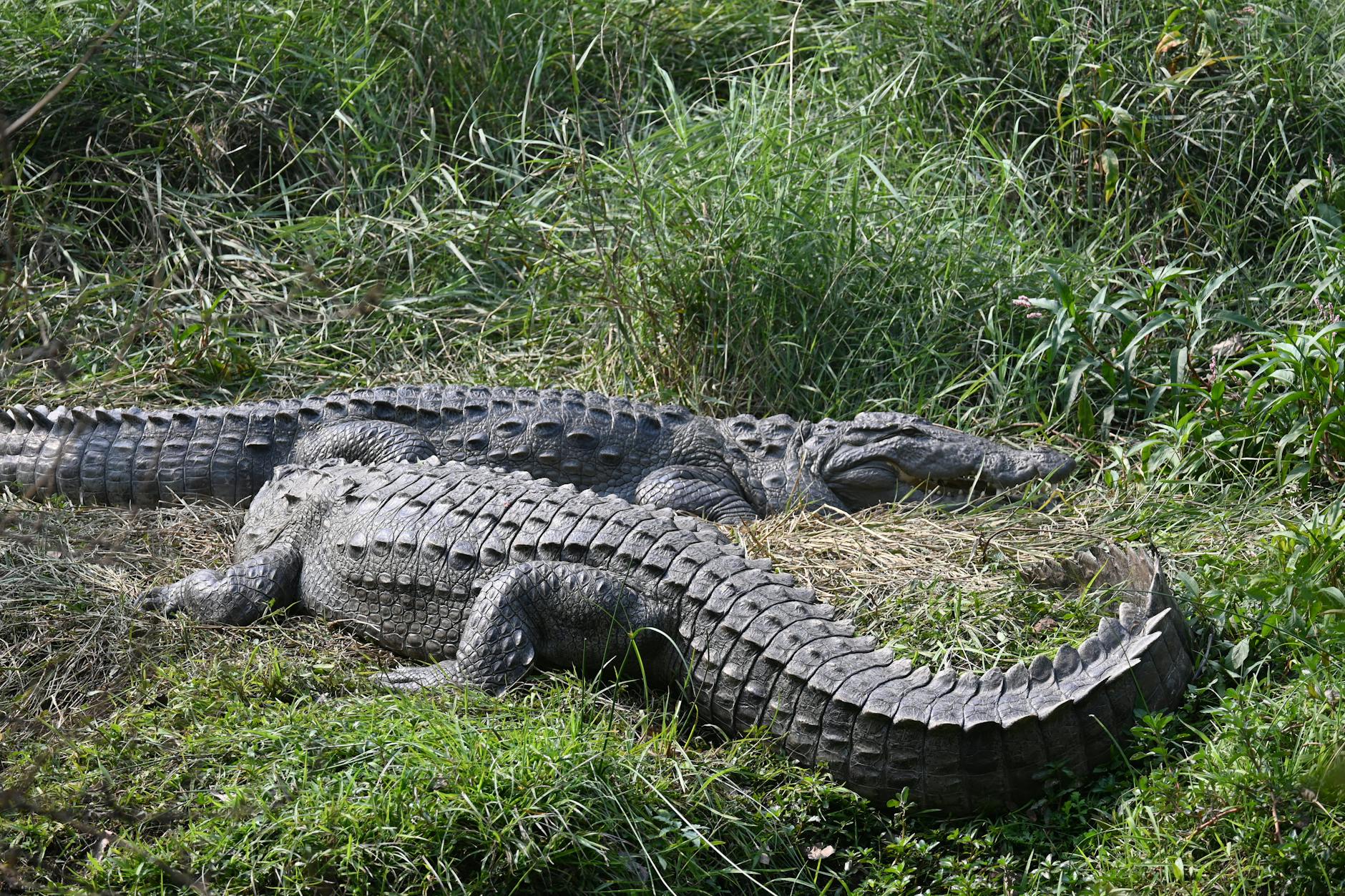
For example, the Indian cobra, known for its stealth and agility, can traverse dense underbrush and rocky terrains with ease. Its ability to remain undetected while surveying its surroundings makes it an excellent candidate for surveillance tasks. Similarly, the saltwater crocodile, one of the largest reptiles on the planet, can remain submerged for extended periods, allowing it to monitor border areas near water bodies without drawing attention.
By leveraging the natural camouflage and stealth of these reptiles, authorities believe they can enhance surveillance capabilities. For instance, snakes can easily blend into their surroundings, making them excellent for detecting intruders without being noticed. Similarly, crocodiles, with their powerful presence, can serve as a formidable deterrent against potential threats.
Benefits of Using Wildlife
- Cost-effective: Utilizing wildlife can reduce the need for expensive technology. Traditional surveillance systems can be costly to maintain, while trained animals may require less financial investment in the long run.
- Eco-friendly: This method promotes biodiversity and conservation efforts. By using native species, the initiative supports local ecosystems rather than disrupting them with artificial technologies.
- Natural deterrent: The mere presence of these animals can discourage illegal activities. For instance, reports from regions where crocodiles are present indicate a significant reduction in poaching and illegal fishing activities.
A New Era in Border Security 🛡️
This initiative is not just about employing animals; it reflects a broader trend of innovative security measures. As countries face increasing challenges related to border control, unique solutions like this one are gaining traction. The use of wildlife could pave the way for more sustainable and effective security practices.
Moreover, integrating wildlife into security protocols aligns with global trends in conservation and environmental awareness. By protecting these species while utilizing their natural abilities, India could set a precedent for other nations facing similar border security issues.
In fact, a study by the World Wildlife Fund (WWF) highlighted that innovative approaches to wildlife management can lead to improved security outcomes while promoting biodiversity. Countries that have successfully integrated wildlife into their security frameworks have often reported not only enhanced safety but also increased public support for conservation initiatives.
For more on the intersection of wildlife and technology, check out our post on innovative security solutions.
Quick Takeaways 📌
- India is pioneering a wildlife-based approach to border security.
- Snakes and crocodiles are being considered for their natural abilities.
- This strategy may lead to cost savings and ecological benefits.
- Ethical considerations regarding animal welfare are paramount.
- The initiative reflects a growing trend towards innovative security measures globally.
FAQ ❔
How will snakes and crocodiles be trained for border security?
The training process will likely involve acclimating these animals to specific environments and scenarios, ensuring they can effectively respond to potential threats while remaining safe and healthy. Experts in animal behavior and training will be crucial in developing a program that respects the animals’ natural instincts.
Are there any concerns about using wildlife for security?
Yes, there are ethical considerations regarding the treatment and welfare of the animals involved. Ensuring their well-being while effectively utilizing their natural instincts is crucial. Animal rights organizations may raise concerns about the conditions under which these animals are kept and trained, emphasizing the need for strict regulations and oversight.
What other countries have used wildlife for security purposes?
Countries like South Africa have employed dogs and birds of prey for similar purposes, showcasing the versatility of wildlife in enhancing security measures. For instance, trained falcons are used to deter smaller birds from airports, reducing the risk of bird strikes. Additionally, some nations have explored the use of elephants for patrolling and protecting wildlife reserves.
How might this approach affect local ecosystems?
While the initiative aims to utilize native species, careful consideration must be given to the potential impact on local ecosystems. Engaging with ecologists and conservationists will be essential to ensure that the deployment of these animals does not disrupt existing wildlife populations or habitats.
In conclusion, India’s innovative approach to border security through the use of snakes and crocodiles not only highlights the potential of wildlife in modern security practices but also emphasizes the importance of conservation and ecological balance. As this initiative unfolds, it will be interesting to see how it impacts both security protocols and wildlife preservation efforts. The world is watching as India navigates this unique blend of nature and technology, potentially setting a new standard for border security practices globally.