
Giant Spider Web Discovered on Greece-Albania Border
A massive spider web spanning 106 square meters was found at the Greece-Albania border, home to over 111,000 spiders. Discover why it matters for Gen-Z readers.
- BackZee
- 5 min read
TL;DR 🚀
Make sure to check our deep dive on why this matters.
- A colossal spider web measuring 106 square meters was found.
- Over 111,000 spiders inhabit this web, making it the largest known.
- The discovery was published in the journal Subterranean Biology.
- The Sulfur Cave ecosystem supports unique arachnid behaviors and interactions.
- Ongoing research may reveal more about the ecological implications of this find.
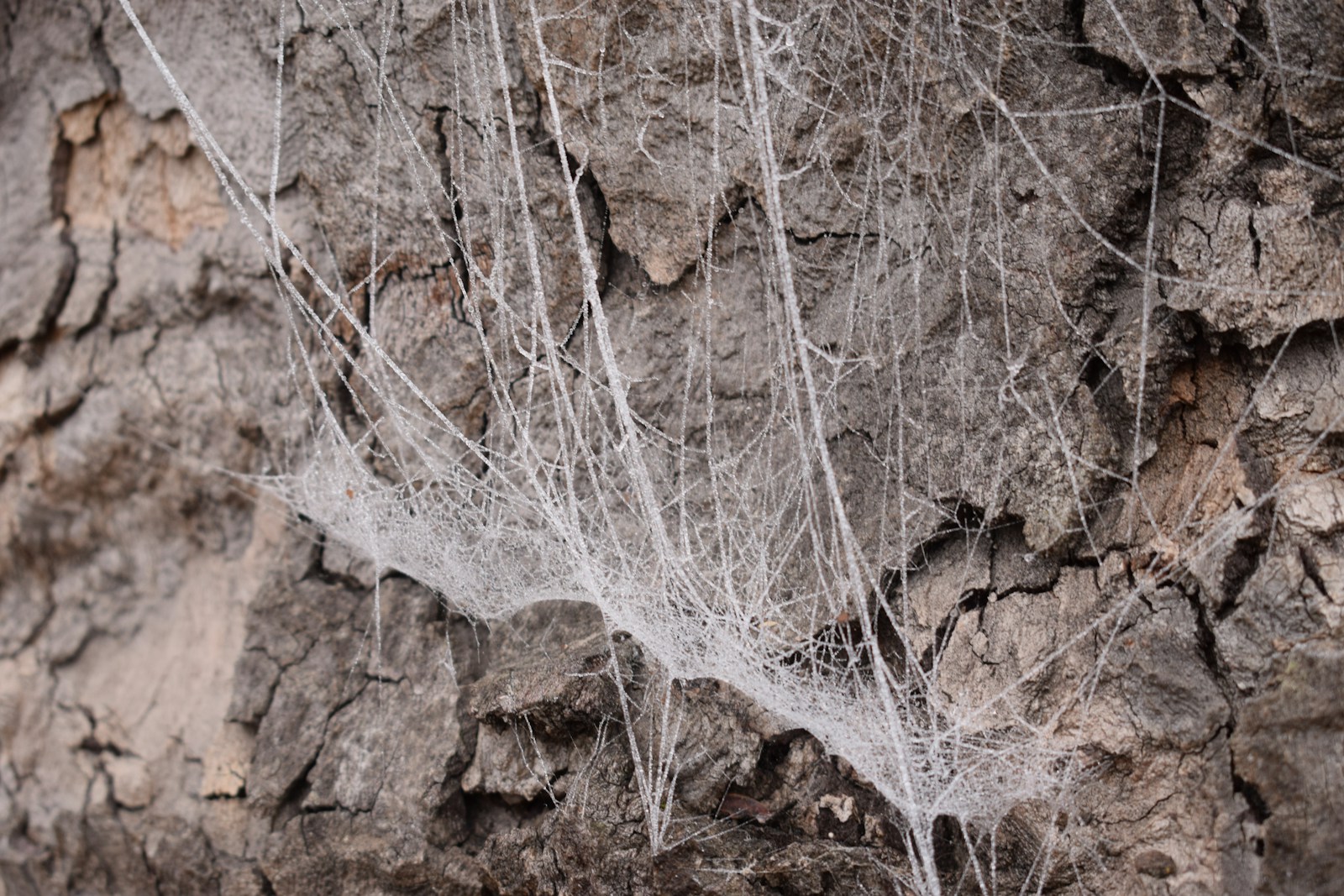
A recent discovery at the border between Greece and Albania has unveiled the largest spider web ever documented, spanning an impressive 106 square meters. This astonishing find, detailed in a study published in Subterranean Biology, reveals that more than 111,000 spiders call this web home, showcasing nature’s incredible wonders.
A Web of Wonders 🕸️
The Sulfur Cave, where this gigantic web was located, is not just a cave; it’s a biodiversity hotspot. Researchers were astonished to find such a vast network created by a staggering number of spiders. This web is not only a feat of engineering but also a testament to the survival skills of these arachnids.
The sheer scale of the web raises questions about the species involved and their ecological roles. Spiders are crucial for controlling insect populations, and with this many spiders in one location, the potential impact on the local ecosystem is significant.
- Location: Sulfur Cave, Greece-Albania border
- Size: 106 square meters
- Spider Count: Over 111,000
The Ecosystem of Sulfur Cave
The Sulfur Cave is characterized by its unique geological features, including sulfur-rich mineral deposits that create a distinctive environment. This cave is home to various organisms, including specialized bacteria and fungi that thrive in high-sulfur conditions. The presence of such a diverse array of life forms suggests a complex food web that supports the spiders and their prey.
Interestingly, sulfur caves are not common, and their ecosystems can provide insights into how life adapts to extreme conditions. The spiders in this web may have evolved unique adaptations that allow them to thrive in such an environment, potentially offering clues about resilience in other ecosystems facing climate change.
The Science Behind the Web 🕷️
The research team, led by arachnologists, conducted extensive studies to understand the web’s structure and the behavior of its inhabitants. The findings suggest that the spiders have developed unique strategies for cooperation and resource sharing, which are essential for maintaining such a large web.
For instance, the spiders may engage in a form of commensalism, where one species benefits while the other is neither helped nor harmed. This could allow different spider species to coexist within the same web, each playing a role in capturing prey or repairing the web structure.
This discovery also opens up discussions about species interactions and the environmental conditions that allow such a web to thrive. The Sulfur Cave’s unique ecosystem may provide the perfect conditions for these spiders to flourish. For more insights on spider behavior and ecology, check out our post on /posts/spider-ecosystems/.
Cultural Insights
In many cultures, spiders are often viewed with a mix of fear and fascination. In Greek mythology, for example, the story of Arachne tells of a mortal woman who challenged the goddess Athena to a weaving contest and was transformed into a spider as punishment. This narrative highlights the duality of spiders as both creators and destroyers, reflecting the complex relationship humans have with these creatures.
In Albania, spiders are less frequently featured in folklore but are recognized for their ecological importance. The discovery of such a massive spider web may inspire local communities to appreciate and protect these often-misunderstood arachnids, fostering a greater understanding of biodiversity and conservation.
Quick Takeaways 📌
- The web is the largest ever recorded.
- It consists of a diverse population of spiders.
- The ecological implications are still being studied.
- The Sulfur Cave ecosystem supports unique adaptations in arachnids.
- Cultural narratives around spiders can influence public perception and conservation efforts.
FAQ ❔
What type of spiders are living in the web?
The specific species of spiders inhabiting the web has not been conclusively identified yet, but researchers are conducting further studies to determine their taxonomy and ecological roles. Initial observations suggest a mix of orb-weavers and other spider families, which may indicate a complex ecological interaction.
How was the web discovered?
The web was discovered during a routine exploration of the Sulfur Cave, where researchers were studying the cave’s unique geological and biological features. The sheer size of the web was unexpected, prompting further investigation into its inhabitants and ecological significance.
What are the implications of this discovery?
This discovery could provide valuable insights into spider behavior, species interactions, and the ecological dynamics of cave ecosystems, potentially influencing conservation efforts in the region. Understanding how these spiders interact with their environment may also shed light on broader ecological principles applicable to other habitats.
How does this discovery compare to other spider webs?
While spider webs are common in various environments, the scale and density of this particular web are unprecedented. Most spider webs are significantly smaller and serve individual spiders or small groups. The cooperative behavior observed in this web is a fascinating area for future research, as it may reveal new insights into social structures among arachnids.
The discovery of this massive spider web not only highlights the biodiversity present in the Sulfur Cave but also serves as a reminder of the mysteries that nature still holds. As researchers continue to explore this phenomenon, we can expect to learn more about the intricate relationships within this unique ecosystem. The world of spiders is more fascinating than we often realize, and this find is just the tip of the iceberg!