
Emperor Penguins Face Population Decline by 2080, Study Reveals
A new study warns that emperor penguin populations could be halved by 2080 due to climate change and habitat loss. Discover why it matters and what happens next
- BackZee
- 4 min read
TL;DR 🚀
Make sure to check our deep dive on why this matters.
- Emperor penguin populations may be cut in half by 2080.
- Climate change and habitat loss are the primary threats.
- Urgent conservation efforts are needed to protect these iconic birds.
- The emperor penguin is a key indicator species for climate health.
- Collaborative global efforts are essential for effective conservation.
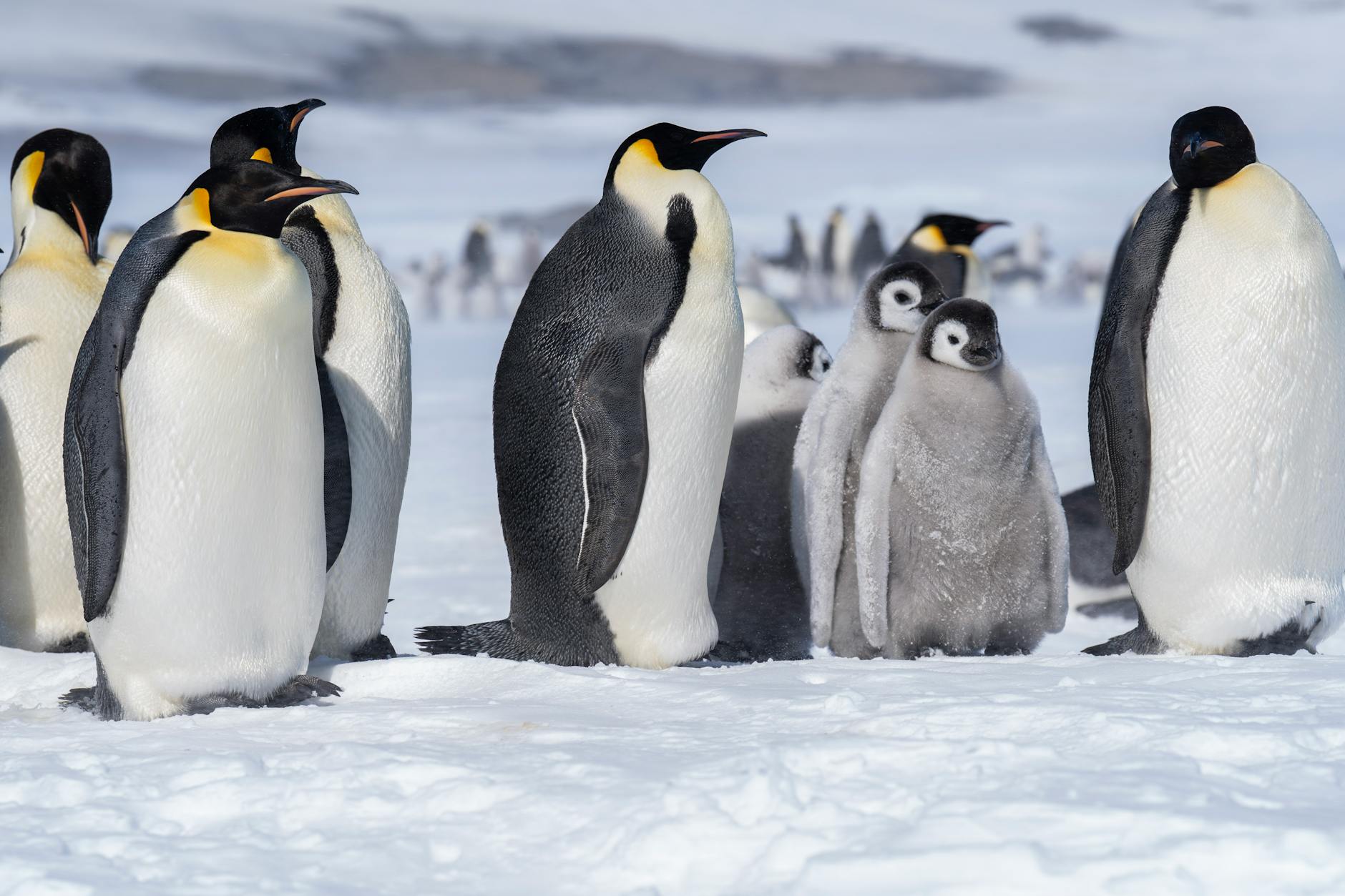
Recent research highlights a troubling forecast for emperor penguins, predicting that their populations could plummet by 50% by the year 2080. This alarming trend is largely attributed to the impacts of climate change and the ongoing loss of their natural habitats. As these majestic birds face increasing challenges, the urgency for conservation initiatives has never been more critical.
The Threats Ahead 🌍
The study underscores that climate change is a significant factor in the decline of emperor penguins. Rising temperatures are causing the melting of sea ice, which is crucial for their breeding and feeding. Without sufficient ice coverage, these penguins struggle to find food and suitable nesting sites.
In fact, research indicates that the Antarctic region has warmed by approximately 3°C since the 1950s, leading to a dramatic reduction in sea ice extent. This warming trend is projected to continue, with models suggesting that by 2080, the habitat available for emperor penguins could shrink by more than 60%.
Moreover, habitat loss due to human activities further exacerbates their plight. Oil spills, fishing, and tourism can disrupt their natural environment, making it harder for them to thrive. The combination of these factors paints a grim picture for the future of emperor penguins.
- Melting ice: Essential for breeding and feeding.
- Human impact: Oil spills and tourism threaten habitats.
- Urgent action: Conservation efforts are critical to their survival.
Cultural Significance of Emperor Penguins
Emperor penguins are not just a species at risk; they hold a special place in various cultures around the world. In popular media, they have been portrayed in films such as “March of the Penguins,” which brought global attention to their life cycle and struggles. This cultural representation has helped raise awareness about their plight and the broader issues of climate change.
In addition, indigenous communities in Antarctica have long recognized the importance of emperor penguins within their ecosystem. Their traditional knowledge emphasizes the interconnectedness of species and the environment, highlighting the need for sustainable practices that protect both wildlife and human communities.
The Call for Conservation 🐧
With the potential for such a drastic decline, conservationists are rallying for immediate action. Protecting emperor penguins requires a multifaceted approach, including habitat preservation, stricter regulations on fishing, and efforts to combat climate change.
Organizations are advocating for policies that prioritize the protection of marine ecosystems, which are vital for the health of these penguins. For instance, the establishment of marine protected areas (MPAs) can provide safe havens for penguins and other marine life, allowing ecosystems to recover and thrive.
Moreover, international collaboration is essential. Countries like Australia, Argentina, and the United Kingdom, which have territories in Antarctica, must work together to create and enforce conservation policies that address the threats faced by emperor penguins. By raising awareness and pushing for legislative changes, there is hope that we can mitigate some of the threats facing these iconic birds. For more on conservation efforts, check out our post on /posts/conservation-strategies.
Quick Takeaways 📌
- Emperor penguins are facing a potential population decline of 50% by 2080.
- Climate change and habitat loss are the leading causes.
- Conservation efforts are essential to ensure their survival.
- Cultural awareness can drive conservation initiatives.
- Global collaboration is crucial for effective protection.
FAQ ❔
What factors are contributing to the decline of emperor penguins?
The primary factors include climate change, which leads to melting sea ice, and habitat loss due to human activities such as oil spills and fishing. Additionally, changes in ocean temperatures and currents can affect the availability of food sources, further threatening their survival.
How can we help protect emperor penguins?
Individuals can support conservation organizations, advocate for policies that protect marine environments, and reduce their carbon footprint to combat climate change. Simple actions, such as reducing plastic use and supporting sustainable seafood, can also contribute to the health of marine ecosystems.
What is the significance of emperor penguins in the ecosystem?
Emperor penguins play a crucial role in the marine ecosystem as both predators and prey, helping to maintain the balance within their habitat. Their decline could have cascading effects on other species and the overall health of the ecosystem. As a keystone species, their presence indicates the health of the marine environment, making their conservation vital for ecological stability.
Are there any successful conservation efforts currently in place?
Yes, several organizations are actively working to protect emperor penguins and their habitats. Initiatives include habitat restoration projects, the establishment of marine protected areas, and international agreements aimed at mitigating climate change impacts. Public awareness campaigns also play a critical role in garnering support for these efforts.