
Chikungunya Fever Hits Europe: Climate Change's Unseen Impact
Chikungunya fever has emerged in Europe, highlighting the effects of climate change on health. Learn more about this tropical virus. Discover why it matters and
- BackZee
- 4 min read
TL;DR 🚀
Make sure to check our deep dive on why this matters.
- Chikungunya fever has made its way to Europe.
- The spread is linked to climate change and rising temperatures.
- Health officials are warning about potential outbreaks.
- Urban areas are particularly vulnerable due to dense mosquito populations.
- Preventive measures are crucial in combating the spread of this disease.
The emergence of Chikungunya fever in Europe has raised alarms among health experts, linking its arrival to the ongoing impacts of climate change. This tropical virus, typically found in warmer regions, is now posing a threat to public health in Europe as temperatures rise. The situation underscores the urgent need for awareness and action regarding the intersection of climate and health.
The Arrival of Chikungunya 🌍
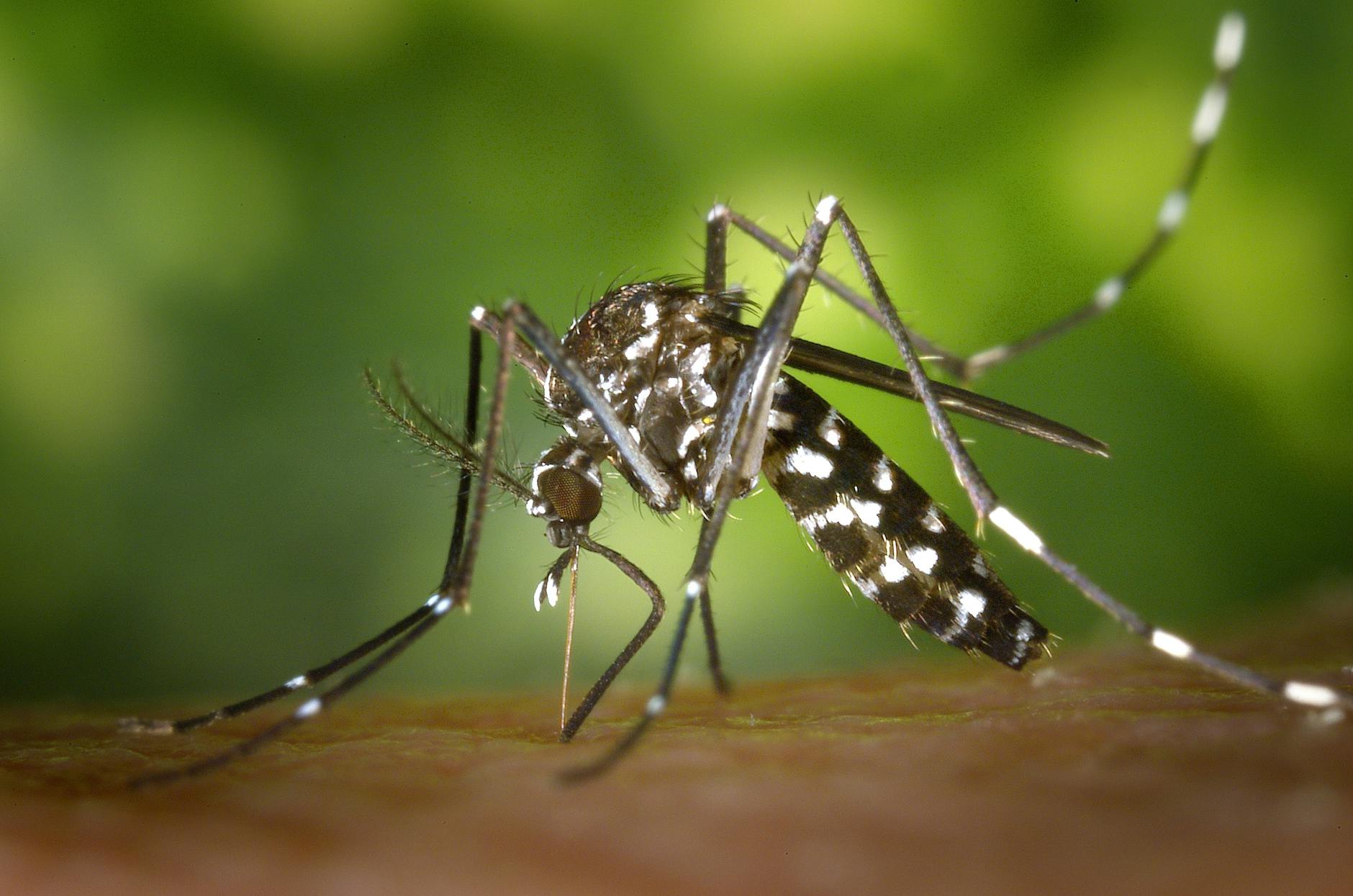
Chikungunya is a viral disease transmitted by mosquitoes, primarily the Aedes aegypti and Aedes albopictus species. These mosquitoes thrive in warmer climates, and as Europe experiences increasing temperatures, their habitats are expanding. This shift is creating a perfect storm for the virus to spread.
The symptoms of Chikungunya include high fever, severe joint pain, and fatigue, which can last for weeks or even months. The disease, while rarely fatal, can significantly impact the quality of life for those infected. In fact, studies have shown that approximately 30% to 50% of those infected may experience chronic joint pain lasting for years. Public health officials are particularly concerned about the potential for outbreaks, especially in urban areas where mosquito populations are dense.
In 2022, Italy reported its first cases of Chikungunya in regions that had previously been unaffected, with local health authorities tracing the outbreak back to infected travelers returning from tropical regions. This incident highlights how interconnected our world has become, where a virus can travel thousands of miles due to global travel and trade.
Climate Change and Health Risks 🌡️
The connection between climate change and the spread of infectious diseases is becoming clearer. As global temperatures rise, regions that were once too cold for certain diseases are now becoming suitable habitats for disease-carrying mosquitoes. This phenomenon is not limited to Chikungunya; other diseases like Zika and dengue fever are also on the rise in new areas.
According to a recent report, the World Health Organization (WHO) has identified climate change as a significant factor in the resurgence of tropical diseases in Europe. The WHO estimates that climate change could cause an additional 250,000 deaths per year globally between 2030 and 2050 due to malnutrition, malaria, diarrhea, and heat stress, with vector-borne diseases like Chikungunya contributing to this alarming statistic.
As the climate continues to shift, health systems must adapt to these new challenges. Countries are urged to strengthen their public health infrastructure and invest in research to understand the changing patterns of diseases. For more insights on health risks related to climate change, check out our post on /posts/climate-health-impact.
Quick Takeaways 📌
- Chikungunya fever is spreading in Europe due to climate change.
- Increased temperatures are expanding mosquito habitats.
- Health officials are preparing for potential outbreaks.
- Urban areas are particularly at risk due to high population density.
- Preventive measures are essential to mitigate the impact of the disease.
FAQ ❔
What is Chikungunya fever?
Chikungunya fever is a viral disease transmitted by mosquitoes, characterized by fever and severe joint pain. It can lead to long-lasting symptoms, affecting daily life. The name “Chikungunya” comes from a word in the Makonde language, meaning “to become contorted,” which describes the stooped appearance of those suffering from the disease.
How is climate change affecting disease spread?
Climate change is altering ecosystems, allowing disease-carrying mosquitoes to thrive in previously unsuitable areas. This leads to the spread of diseases like Chikungunya in new regions. Warmer temperatures and increased rainfall create ideal breeding conditions for mosquitoes, while changing weather patterns can influence their life cycles and distribution.
What can be done to prevent Chikungunya outbreaks?
Preventive measures include reducing mosquito breeding sites, using insect repellent, and raising public awareness about the disease. Health authorities are also monitoring mosquito populations closely. Community engagement is crucial; initiatives like community clean-up days to eliminate standing water can significantly reduce mosquito breeding sites. Additionally, educating the public about the symptoms of Chikungunya can lead to quicker diagnosis and treatment.
Are there any vaccines for Chikungunya?
As of now, there is no specific vaccine for Chikungunya. However, research is ongoing, and several candidates are in various stages of development. Until a vaccine is available, prevention through mosquito control and personal protection remains the best defense against the disease.
As Europe grapples with the implications of climate change, the arrival of Chikungunya fever serves as a stark reminder of the interconnectedness of environmental health and human well-being. With rising temperatures, the potential for more tropical diseases to take root in Europe is a pressing concern that demands immediate attention and action. The collaboration between governments, health organizations, and communities will be essential in addressing this emerging public health threat.