
Average Pension for Working Seniors Surpasses 30K Rubles in 3 Regions
Discover how working pensioners in three regions are now earning over 30,000 rubles monthly, reflecting economic shifts and policy changes. Discover why it matt
- BackZee
- 4 min read
TL;DR 🚀
Make sure to check our deep dive on why this matters.
- Average pensions for working seniors exceed 30,000 rubles.
- This increase is observed in three specific regions.
- Economic policies are influencing these pension adjustments.
- The trend reflects a broader shift towards supporting an aging workforce.
- Increased pensions may stimulate local economies through enhanced consumer spending.
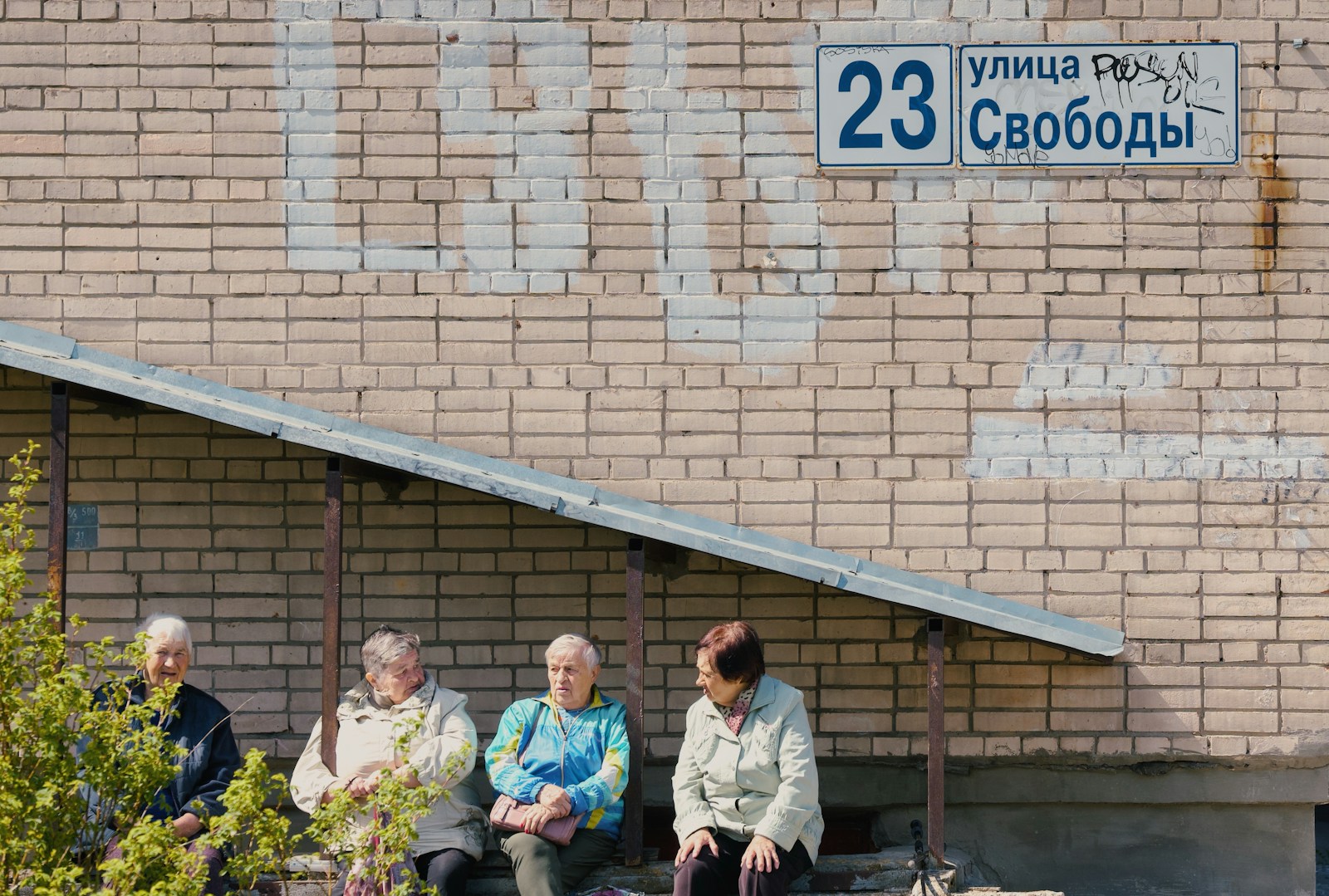
In a notable shift, working pensioners in Russia are now enjoying an average monthly pension that exceeds 30,000 rubles in three regions. This change highlights the evolving landscape of pensions and the impact of recent economic policies on the senior workforce. The increase in pensions is not merely a statistic; it signifies a transformative moment for many seniors who have spent decades contributing to the economy.
Rising Pensions in Russia 📈
Recent reports indicate that the average pension for working seniors has seen a significant boost, particularly in three regions of Russia: Moscow, St. Petersburg, and Tatarstan. This increase is not just a number; it represents a broader trend where economic policies are beginning to favor the older workforce.
In regions where this increase has been noted, many seniors are finding that their financial stability is improving. The rise in pensions can be attributed to various factors, including adjustments in government policy aimed at supporting the aging population. For many, this financial uplift means the ability to afford better healthcare, leisure activities, and an overall improved quality of life.
Key Factors Behind the Increase
- Government Initiatives: Recent reforms have aimed to increase the financial support for seniors, including adjustments to the pension formula that considers years of service and contributions.
- Economic Growth: A recovering economy, bolstered by rising oil prices and increased foreign investment, has allowed for better pension allocations. In 2023, the GDP growth rate was approximately 3.5%, which has positively impacted public spending.
- Increased Workforce Participation: More seniors are choosing to remain in the workforce, contributing to their pension growth. Statistics show that nearly 40% of seniors aged 60 and above are still employed, a significant increase from previous years.
The Impact of Policy Changes 💼
The increase in pensions for working seniors is a direct result of policy changes that have been implemented to address the needs of an aging population. By encouraging older individuals to stay in the workforce, the government is not only helping them financially but also promoting a more inclusive economy.
These changes have sparked discussions about the sustainability of pension systems in the long run. As more seniors remain active in the workforce, it raises questions about how future policies will adapt to ensure that pensions remain viable and beneficial for all. For instance, the government is exploring options such as increasing the retirement age or adjusting contribution rates to maintain the balance of the pension fund.
Cultural Insights
In Russian culture, the elderly are often revered, and their contributions to family and society are deeply respected. This cultural perspective plays a significant role in how policies are shaped. The government recognizes that supporting seniors is not just a financial obligation but a moral one as well. As a result, the increase in pensions is not only a response to economic conditions but also a reflection of societal values that prioritize the well-being of older citizens.
Quick Takeaways 📌
- Working pensioners are experiencing a financial boost, with average pensions surpassing 30,000 rubles.
- Economic policies are evolving to support seniors, reflecting a commitment to elder care.
- The trend indicates a shift towards a more inclusive workforce, with more seniors participating in the labor market.
- Cultural values in Russia emphasize respect for the elderly, influencing policy decisions.
- Increased pensions may stimulate local economies through enhanced consumer spending.
FAQ ❔
What regions are seeing the highest pension increases?
The specific regions where pensions have surpassed 30,000 rubles include Moscow, St. Petersburg, and Tatarstan. These areas have shown strong economic growth and have implemented supportive local policies aimed at helping seniors.
How do these pension increases affect the economy?
Increased pensions for working seniors can stimulate the economy by enhancing their purchasing power, leading to higher consumer spending and improved local business performance. For example, a study indicated that every ruble spent by pensioners generates approximately 1.5 rubles in economic activity, showcasing their vital role in local economies.
Are there any concerns regarding the sustainability of these pensions?
Yes, while the current increases are positive, there are ongoing discussions about the long-term sustainability of pension systems, especially as the population ages and more individuals retire. Experts warn that without further reforms, the pension system may face challenges in meeting the needs of future retirees.
The rise in average pensions for working seniors in Russia marks a significant development in the country’s approach to elder care and economic policy. As these changes unfold, they not only impact the lives of seniors but also reflect broader economic trends that could shape the future of work and retirement in Russia. The ongoing dialogue surrounding these issues is crucial for ensuring that the needs of the aging population are met while maintaining a sustainable economic framework.