
Average Pension for Non-Working Russians Hits Nearly 24,000 Rubles
Explore the current state of pensions for non-working Russians, averaging nearly 24,000 rubles. What does this mean for retirees? Discover why it matters and wh
- BackZee
- 5 min read
TL;DR 🚀
Make sure to check our deep dive on why this matters.
- The average pension for non-working Russians is close to 24,000 rubles.
- This figure reflects the financial landscape for retirees in Russia.
- Understanding these pensions is crucial for future economic planning.
- Regional disparities significantly affect the adequacy of pensions.
- Ongoing discussions about pension reforms are essential for sustainability.
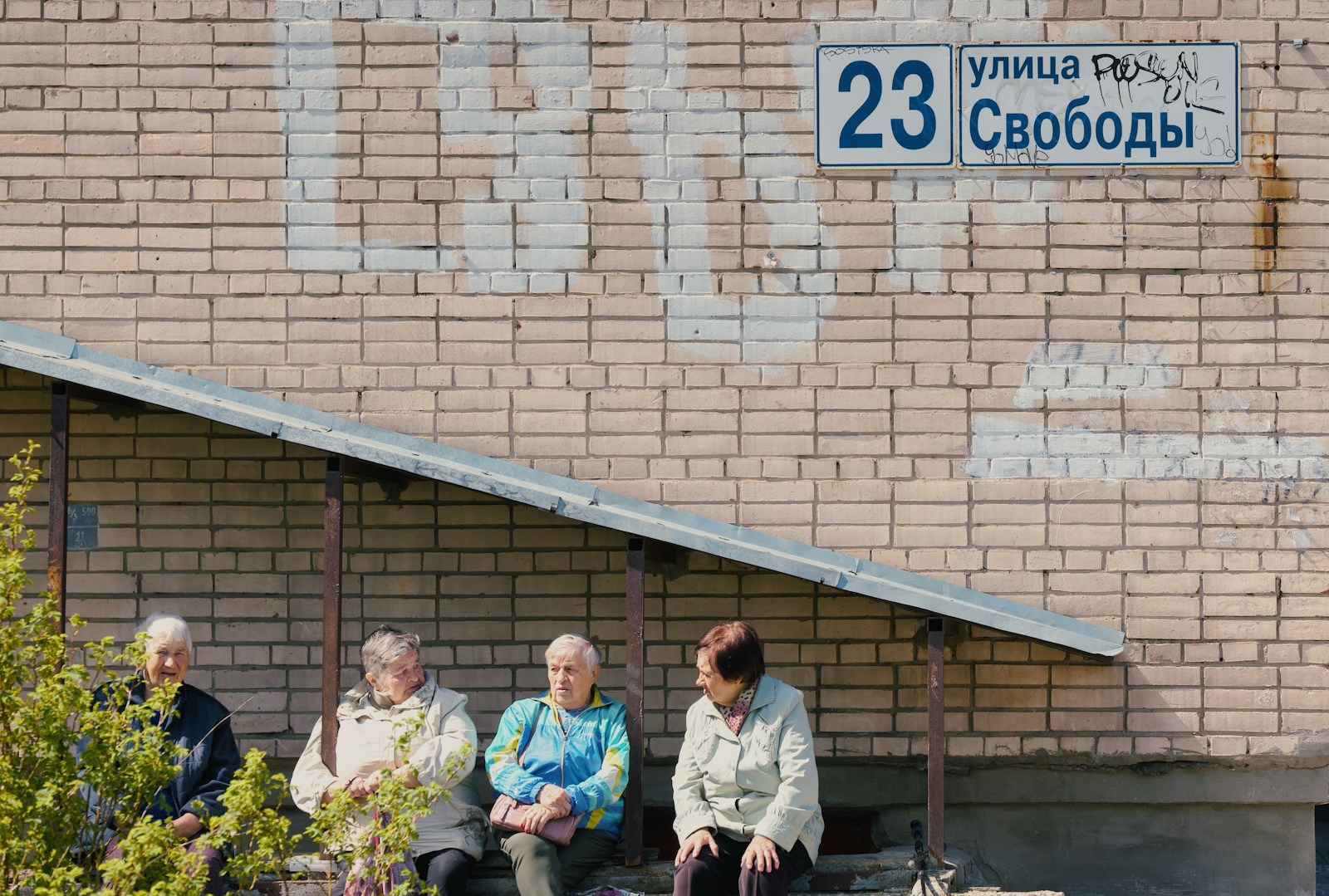
The financial situation for retirees in Russia is a hot topic, especially as the average pension for non-working citizens now stands at nearly 24,000 rubles. This statistic sheds light on the economic conditions faced by many retirees and raises questions about the sustainability of this pension system.
Current Pension Landscape in Russia 📊
The average pension amount is a significant indicator of the economic health of a nation. In Russia, non-working citizens receive an average pension of about 24,000 rubles, which is crucial for their day-to-day living. This amount is often seen as a benchmark for assessing the quality of life for retirees.
Many factors contribute to this average, including the length of service, the type of employment, and the regional differences in pension distribution. For instance, pensions can vary widely between urban and rural areas, reflecting the economic disparities across the country.
- Urban retirees may find that their pensions stretch further due to better access to services, while
- Rural retirees often struggle with higher living costs relative to their income.
According to recent statistics, the average pension in urban centers like Moscow can reach up to 30,000 rubles, while in rural areas, it may drop to as low as 18,000 rubles. This disparity highlights the challenges faced by retirees living outside major cities, where access to healthcare and other essential services can be limited.
Understanding these dynamics is essential for evaluating how well the pension system supports its citizens. The Russian government has implemented various programs aimed at improving the pension system, but many feel these efforts have not adequately addressed the underlying issues.
Implications for Retirees 💡
The implications of this average pension figure are profound. With the cost of living continuously rising, many retirees find it challenging to make ends meet on this amount. The financial strain on non-working citizens is a pressing issue, and it raises concerns about the adequacy of pensions in the long term.
A recent survey indicated that nearly 60% of retirees reported difficulty in affording basic necessities such as food, housing, and healthcare. This financial pressure is exacerbated by inflation, which has been a persistent issue in the Russian economy. The average inflation rate has hovered around 4-5% in recent years, further eroding the purchasing power of pensions.
Moreover, the government’s approach to pensions is under scrutiny. As the population ages, there is a growing need for reforms to ensure that pensions remain sustainable and sufficient. The current average might not be enough for many retirees, leading to increased discussions about potential policy changes.
Cultural Insights
Culturally, retirement in Russia is viewed through a lens of respect and responsibility. Many retirees rely on family support, often living with children or extended family members. This cultural norm can provide emotional and financial support, but it also places a burden on younger generations who may already be facing economic challenges of their own.
In addition, the Russian government has historically emphasized the importance of state pensions as a safety net. However, the reality is that many retirees are now turning to alternative sources of income, such as part-time work or small businesses, to supplement their pensions. This shift reflects a broader trend of self-reliance among retirees in response to inadequate pension support.
Quick Takeaways 📌
- The average pension is a crucial metric for understanding retiree welfare.
- Economic disparities affect pension adequacy across different regions.
- Ongoing discussions about pension reform are vital for future sustainability.
- Inflation continues to impact the purchasing power of pensions.
- Cultural norms influence the financial strategies of retirees.
FAQ ❔
What factors influence pension amounts in Russia?
Pension amounts in Russia are influenced by various factors, including the length of employment, type of job, and regional economic conditions. These elements create disparities in pension levels across the country.
How does the average pension compare to the cost of living?
The average pension of nearly 24,000 rubles often falls short of covering the basic cost of living, especially in urban areas where expenses are higher. This discrepancy highlights the financial challenges faced by many retirees.
Are there any ongoing reforms regarding pensions in Russia?
Yes, there are ongoing discussions about pension reforms in Russia aimed at improving the sustainability and adequacy of pensions for retirees. These reforms are crucial as the population continues to age and economic conditions evolve.
What can retirees do to supplement their income?
Many retirees are exploring part-time work, freelance opportunities, or starting small businesses to supplement their pensions. Additionally, some are seeking assistance from family members or community programs designed to support older adults.
How does the Russian pension system compare to other countries?
The Russian pension system is often compared unfavorably to those in Western countries, where pensions tend to be more robust and better funded. However, each country’s system reflects its unique economic and cultural context, making direct comparisons challenging.
As the conversation around pensions continues, it’s essential to keep an eye on how these changes might impact the lives of retirees across Russia. The average pension figure serves as a critical touchpoint for understanding the broader economic landscape and the challenges faced by non-working citizens.