
Alaska Crowns Its Heaviest Bear: A Furry Champion Emerges
Alaska has named its heaviest bear, showcasing the state's wildlife. Discover the details behind this furry titleholder. Discover why it matters for Gen-Z reade
- BackZee
- 4 min read
TL;DR 🚀
Make sure to check our deep dive on why this matters.
- Alaska has officially named its heaviest bear, sparking excitement among wildlife enthusiasts.
- The crowned bear’s impressive weight highlights the state’s rich biodiversity and food sources.
- This event serves as a reminder of the importance of wildlife conservation efforts.
- The competition showcases the unique relationship between Alaskans and their natural environment.
- Engaging with local wildlife organizations can help protect these majestic creatures.
In a delightful celebration of nature, Alaska has recently crowned its heaviest bear, a title that has sparked excitement among wildlife enthusiasts and locals alike. This event not only showcases the incredible wildlife of the state but also emphasizes the importance of conservation efforts in preserving such magnificent creatures.
The Furry Contender 🐻
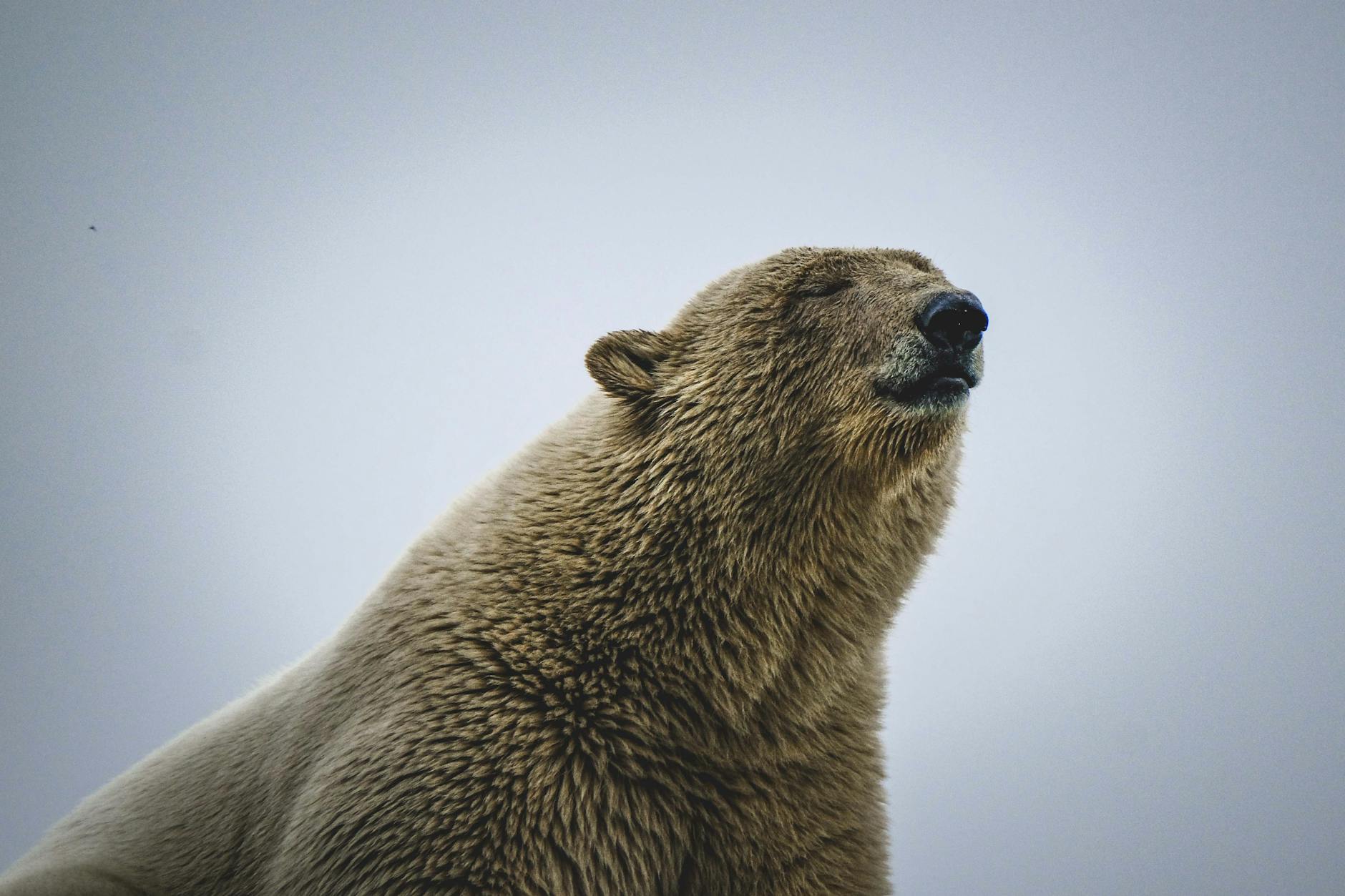
The competition to find Alaska’s heaviest bear was fierce, with numerous contenders vying for the title. Ultimately, the winner was determined based on weight, health, and overall condition. The crowned bear weighed in at an astonishing 1,500 pounds, making it a true heavyweight in the animal kingdom. This bear, affectionately named “Titan,” was found in the Kenai Peninsula, an area known for its abundant food sources, particularly during the salmon spawning season.
Bears are iconic symbols of Alaska, and this event serves as a reminder of their significance in the ecosystem. The heaviest bear’s impressive size is a testament to the rich food sources available in the region. During the salmon run, which occurs from late June to September, bears can consume up to 30 salmon a day, allowing them to bulk up significantly before hibernation. This natural bounty allows bears to thrive and grow to remarkable sizes, making Alaska a prime habitat for these magnificent creatures.
Moreover, the event attracted attention not just from locals but also from tourists and wildlife enthusiasts, highlighting the unique relationship between Alaskans and their natural environment. Many visitors travel to Alaska specifically to witness the grandeur of its wildlife, and events like this foster a deeper appreciation for the state’s natural beauty.
The Importance of Wildlife Conservation 🌍
Events like this not only celebrate the animals but also raise awareness about the need for wildlife conservation. As habitats face threats from climate change, urban development, and human activity, it is crucial to protect these majestic creatures and their environments. According to the Alaska Department of Fish and Game, bear populations have fluctuated due to habitat loss and changing food availability, making conservation efforts more vital than ever.
Organizations dedicated to wildlife preservation are essential in ensuring that future generations can witness such incredible animals. Initiatives like the Alaska Wildlife Conservation Center work tirelessly to rehabilitate injured animals and educate the public about the importance of preserving natural habitats. They emphasize that protecting wildlife is not just about saving individual species but also about maintaining the ecological balance that supports all life.
For more insights on wildlife conservation, check out our post on the importance of protecting natural habitats at /posts/wildlife-conservation-importance.
Quick Takeaways 📌
- Alaska’s heaviest bear, named “Titan,” was chosen based on weight and health, weighing in at 1,500 pounds.
- The event highlights the state’s rich wildlife and ecosystems, particularly during the salmon spawning season.
- Conservation efforts are vital for protecting bear populations and their habitats.
- Engaging with local wildlife organizations can help foster a culture of conservation.
- Events like this deepen the connection between Alaskans and their natural environment.
FAQ ❔
What criteria were used to select the heaviest bear?
The selection was based on the bear’s overall weight, health, and condition. Judges considered various factors, including the bear’s physical appearance and vitality, to ensure a fair assessment.
Why is this event significant?
This event not only celebrates Alaska’s wildlife but also raises awareness about the importance of conservation efforts to protect these animals and their habitats. It serves as a reminder of the interconnectedness of ecosystems and the role humans play in their preservation.
How can I support wildlife conservation in Alaska?
You can support wildlife conservation by donating to local organizations, participating in awareness campaigns, volunteering for conservation projects, and advocating for policies that protect natural habitats. Engaging with local communities and educating others about the importance of wildlife can also make a significant impact.
What are the challenges facing bear populations in Alaska?
Bear populations face several challenges, including habitat loss due to urban development, climate change affecting food sources, and increased human-bear interactions. These factors can lead to conflicts and stress on bear populations, making conservation efforts essential.
In conclusion, Alaska’s celebration of its heaviest bear is a heartwarming reminder of the incredible wildlife that inhabits the region. As we continue to honor these majestic creatures, it is essential to remain vigilant in our conservation efforts to ensure their survival for years to come. By engaging with local organizations and advocating for wildlife protection, we can all play a role in preserving the natural beauty of Alaska for future generations.