
Why Kids Should Dive into Classical Music Early On
Exploring the benefits of introducing classical music to children and how it can enhance their development. Discover why it matters for Gen-Z readers.
- BackZee
- 5 min read
TL;DR 🚀
Make sure to check our deep dive on why this matters.
- Classical music can positively influence children’s brain development.
- Regular listening sessions help improve emotional regulation and focus.
- Engaging with music can have calming effects, especially for children with special needs.
- Active participation in music lessons enhances cognitive skills and decision-making.
- Exposure to live performances fosters a deeper appreciation for the art form.
Introducing classical music to children is more than just a cultural experience; it can significantly impact their cognitive and emotional growth. With events like the upcoming “Magical Odyssey: New Year Mission” concert series, young audiences are set to explore the enchanting world of classical compositions by legends like Mozart and Tchaikovsky. This article delves deeper into the multifaceted benefits of classical music for children, providing insights, examples, and practical tips for parents and educators.
The Benefits of Classical Music for Kids 🎶
Listening to classical music isn’t just about enjoying beautiful melodies; it can enhance brain activity in children. Research from the Max Planck Institute in Germany revealed that exposure to classical compositions boosts the activity in the prefrontal cortex—the area of the brain responsible for self-control, emotional regulation, and cognitive functions. This is particularly significant considering that the prefrontal cortex is crucial for skills such as planning, decision-making, and social behavior.
Moreover, studies indicate that regular musical engagement can lead to positive behavioral changes in children, particularly those with developmental challenges. For instance, a study published in the journal Pediatrics found that children with autism spectrum disorder showed improved social skills and reduced anxiety after participating in music therapy sessions. The soothing nature of classical music can help these kids find calmness and focus, making it a valuable tool for parents and educators alike.
Why Music Lessons Matter
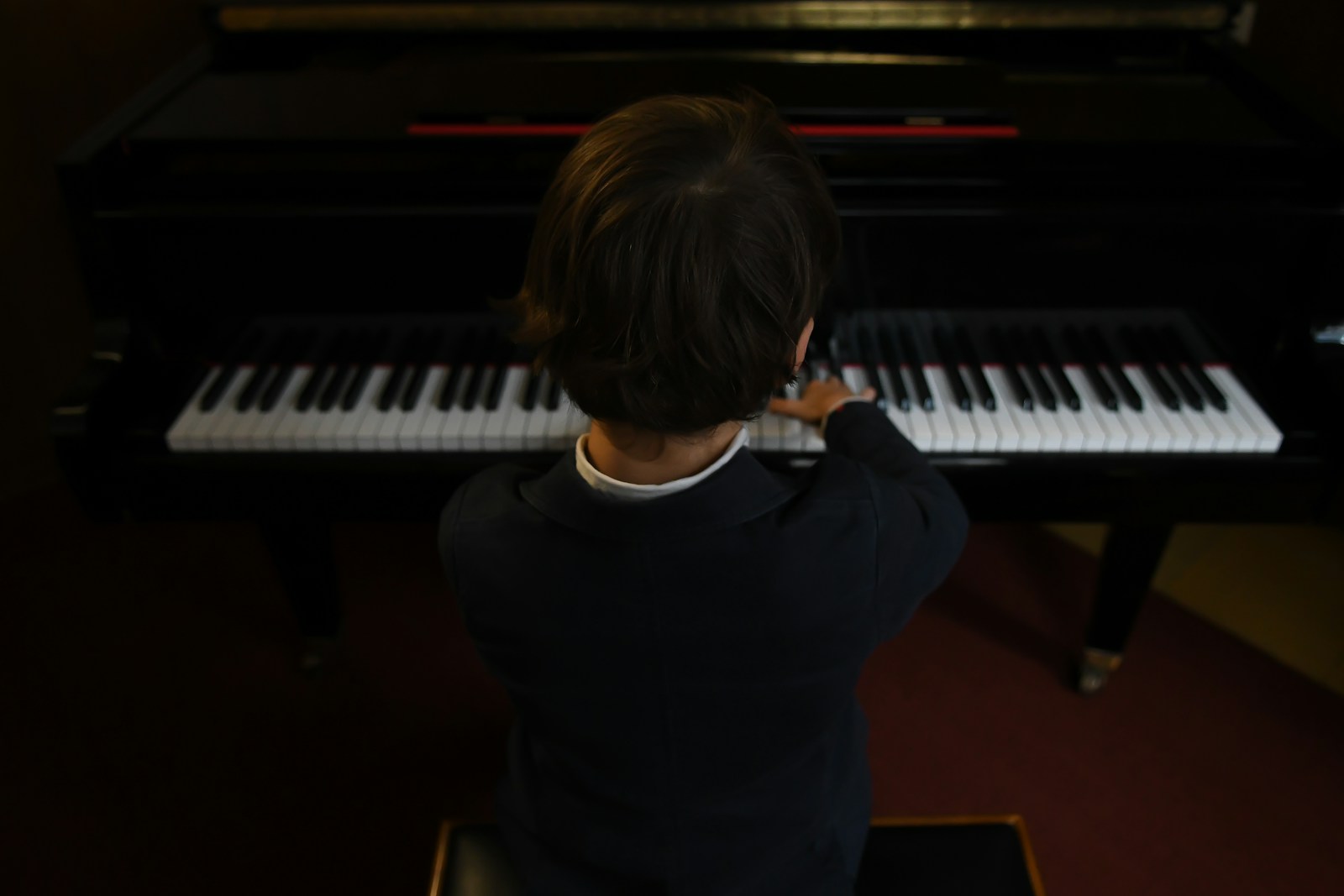
In addition to passive listening, active participation in music lessons can be incredibly beneficial. A 2017 study from the University of South Carolina found that just two music lessons a week can significantly enhance the brain’s decision-making and focus-related areas. The study highlighted that children who received consistent music instruction demonstrated improved academic performance, particularly in subjects like math and reading.
However, consistency is key; to see real benefits, children should engage in these lessons over a period of at least two years. The commitment to learning an instrument not only develops musical skills but also instills discipline and perseverance—qualities that are essential for success in various life endeavors.
The Emotional Impact of Classical Music
Classical music is renowned for its emotional depth and complexity. Compositions by composers like Tchaikovsky and Beethoven can evoke a wide range of feelings, from joy to melancholy. This emotional engagement can help children develop their emotional intelligence, allowing them to better understand and express their own feelings. For example, a child listening to Tchaikovsky’s “Swan Lake” may experience a sense of wonder and beauty, while Beethoven’s “Moonlight Sonata” might evoke introspection and calm.
Incorporating discussions about the emotions conveyed in different pieces can enhance this experience. Parents can ask their children how certain pieces make them feel or what images come to mind when they listen. This not only fosters a deeper connection to the music but also encourages children to articulate their emotions, a crucial skill for their overall emotional development.
Making Classical Music Accessible 🎻
To make classical music more relatable for young listeners, parents can start by incorporating it into daily routines. Playing classical pieces during playtime or bedtime can create a soothing environment. For instance, playing Mozart’s “Eine kleine Nachtmusik” during dinner can create a pleasant atmosphere, while Debussy’s “Clair de Lune” can be a calming backdrop for bedtime stories.
Additionally, attending live concerts designed for children, like the “Magical Odyssey” series, can spark their interest and provide a memorable experience. These concerts often feature interactive elements, such as storytelling or visual aids, making the music more engaging for young audiences. Research shows that children who attend live performances are more likely to develop a lasting appreciation for classical music, as they can connect the music to a shared experience.
Quick Takeaways 📌
- Classical music can improve emotional and cognitive development in children.
- Engaging with music through lessons enhances focus and decision-making skills.
- Live performances can make classical music more appealing to young audiences.
- Emotional engagement with music fosters emotional intelligence and expression.
- Consistent exposure to music can lead to long-term cognitive benefits.
FAQ ❔
Why is classical music good for children?
Classical music has been shown to stimulate brain areas responsible for emotional regulation and cognitive skills. It can also help children with special needs find calmness and improve their behavior. The structured nature of classical compositions can aid in developing listening skills and attention spans.
How can I introduce classical music to my child?
Start by playing classical music during daily activities like playtime or bedtime. Consider attending concerts designed for children to make the experience more engaging and enjoyable. You can also explore children’s music apps that feature classical music, providing interactive ways for kids to learn about different composers and pieces.
Do music lessons really make a difference?
Yes, studies suggest that regular music lessons can significantly enhance children’s cognitive abilities, particularly in areas related to focus and decision-making, especially when sustained over time. Learning an instrument also promotes discipline and perseverance, which are valuable life skills.
What types of classical music are best for children?
Pieces with engaging melodies and rhythms, such as those by Mozart, Vivaldi, and Haydn, are often recommended for children. Additionally, contemporary adaptations of classical music, such as those found in animated films, can make the genre more accessible and enjoyable for young listeners.
By integrating classical music into children’s lives, we can foster a love for this timeless art form while simultaneously enhancing their development. Whether through listening or active participation, the benefits are clear and profound. The journey into classical music can be a magical experience, opening doors to creativity, emotional expression, and cognitive growth.