
AI Completes Tchaikovsky's Unfinished Opera at Mariinsky Theatre
The Mariinsky Theatre showcases a groundbreaking AI-completed opera by Tchaikovsky, blending classical music with modern technology. Discover why it matters and
- BackZee
- 5 min read
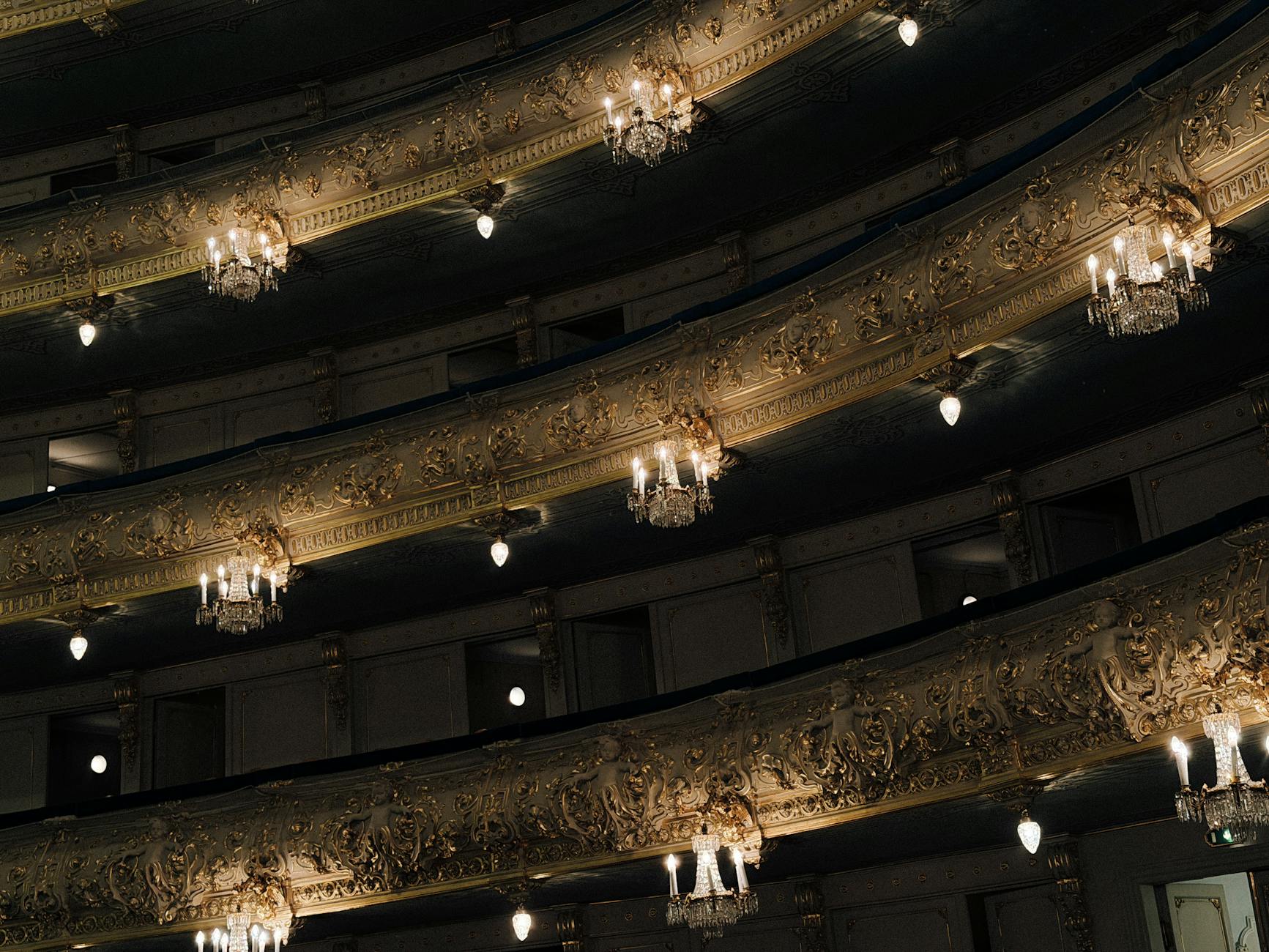
TL;DR 🚀
Make sure to check our deep dive on why this matters.
- Mariinsky Theatre presents Tchaikovsky’s unfinished opera.
- AI technology was used to complete the composition.
- The performance marks a unique blend of tradition and innovation.
- This initiative raises questions about the future of creativity in the arts.
- The project exemplifies the potential of AI in enhancing classical music.
In a remarkable fusion of classical music and cutting-edge technology, the Mariinsky Theatre recently unveiled a previously unfinished opera by the legendary composer Tchaikovsky. Utilizing advanced AI capabilities, the theatre has breathed new life into this historical piece, showcasing how technology can enhance and expand upon the works of the past. This event not only celebrates Tchaikovsky’s legacy but also serves as a pivotal moment in the ongoing dialogue about the role of technology in the arts.
A Historic Premiere 🎭
The Mariinsky Theatre, renowned for its rich history and commitment to the arts, has taken a bold step by presenting an opera that Tchaikovsky himself left incomplete. This performance is not just a revival; it represents a collaboration between human creativity and artificial intelligence. The AI was trained on Tchaikovsky’s existing works, allowing it to generate music that resonates with his unique style.
Tchaikovsky, who lived from 1840 to 1893, is celebrated for his emotive compositions, including ballets like “Swan Lake” and “The Nutcracker.” His unfinished opera, believed to be a reflection of his artistic struggles and aspirations, has long been a topic of intrigue among musicologists and fans alike. The decision to use AI in this context raises intriguing questions about the future of music and the role of technology in the arts. Can a machine truly capture the emotional depth and nuance of a human composer? The Mariinsky’s initiative suggests that, while AI can assist in the creative process, it is the human touch that ultimately brings art to life.
The Process Behind the Music 🎶
To complete Tchaikovsky’s unfinished opera, the team at Mariinsky collaborated with experts in machine learning and music composition. They fed the AI a wealth of Tchaikovsky’s existing scores, allowing it to analyze patterns, themes, and stylistic elements. The result was a composition that not only filled in the gaps but also felt authentic to Tchaikovsky’s voice.
The AI utilized a technique known as deep learning, which involves training neural networks on large datasets. In this case, the dataset comprised not only Tchaikovsky’s scores but also analyses of his harmonic structures, orchestration techniques, and emotional motifs. This innovative project highlights the potential of AI in the music industry. While some purists may argue that technology cannot replicate the human experience, the Mariinsky’s endeavor demonstrates that AI can be a valuable tool for artists. By embracing these advancements, musicians can explore new creative avenues and push the boundaries of traditional art forms.
Cultural Insights and Implications 🌍
The intersection of AI and classical music is not merely a technological experiment; it reflects broader cultural shifts in how we perceive creativity and authorship. In many cultures, music is deeply intertwined with human experience, emotion, and storytelling. The idea of a machine contributing to this sacred art form can be both exciting and unsettling.
For instance, in Japan, there has been a growing trend of using AI to compose music, leading to a new genre known as “AI music.” This has sparked debates about the authenticity of AI-generated art and its place in cultural heritage. Similarly, in Western contexts, the Mariinsky’s project invites audiences to reflect on how technology can coexist with tradition, potentially leading to new forms of artistic expression.
Quick Takeaways 📌
- The Mariinsky Theatre’s performance features AI-completed music.
- Tchaikovsky’s unfinished opera is brought to life through technology.
- This project exemplifies the intersection of art and innovation.
- The use of AI raises questions about creativity and authorship in the arts.
- The initiative reflects broader cultural shifts regarding technology’s role in music.
FAQ ❔
What was the significance of this performance?
This performance is significant as it showcases how AI can be used to complete and enhance classical compositions, merging historical artistry with modern technology. It also opens up discussions about the future of creativity in the arts.
How did the AI learn to compose in Tchaikovsky’s style?
The AI was trained using a vast database of Tchaikovsky’s works, enabling it to understand his musical patterns and stylistic nuances, which it then applied to create new compositions. This process involved deep learning techniques that analyze and replicate the intricacies of Tchaikovsky’s style.
Will this technology be used for other composers?
Yes, the potential for AI to assist in completing works from various composers is vast, opening up new possibilities for reviving and reimagining classical music. Projects like this could lead to a renaissance of unfinished works from composers across different eras.
How do audiences feel about AI-completed music?
Audience reactions can vary widely. Some embrace the innovation and see it as a new frontier for creativity, while others may feel that it undermines the authenticity of human expression in music. The Mariinsky’s performance serves as a case study for these evolving perceptions.
The Mariinsky Theatre’s groundbreaking performance is a testament to the evolving landscape of music and technology. As we continue to explore the intersection of these fields, it becomes clear that the future of art may be as much about collaboration with machines as it is about individual creativity. This initiative not only honors Tchaikovsky’s legacy but also invites us to consider how we might embrace technology in our own artistic endeavors. The dialogue between tradition and innovation is just beginning, and the possibilities are as limitless as the imagination itself.