
AI Completes Tchaikovsky's Unfinished Opera at Mariinsky Theatre
Discover how AI helped finish Tchaikovsky's unfinished opera at the Mariinsky Theatre, blending classic music with modern technology. Discover why it matters an
- BackZee
- 5 min read
TL;DR 🚀
Make sure to check our deep dive on why this matters.
- Mariinsky Theatre showcased an unfinished Tchaikovsky opera.
- AI technology was used to complete the composition.
- The performance merges classical artistry with modern innovation.
- The event sparked discussions on the role of AI in creative fields.
- Audience reactions highlighted a blend of appreciation for both tradition and technology.
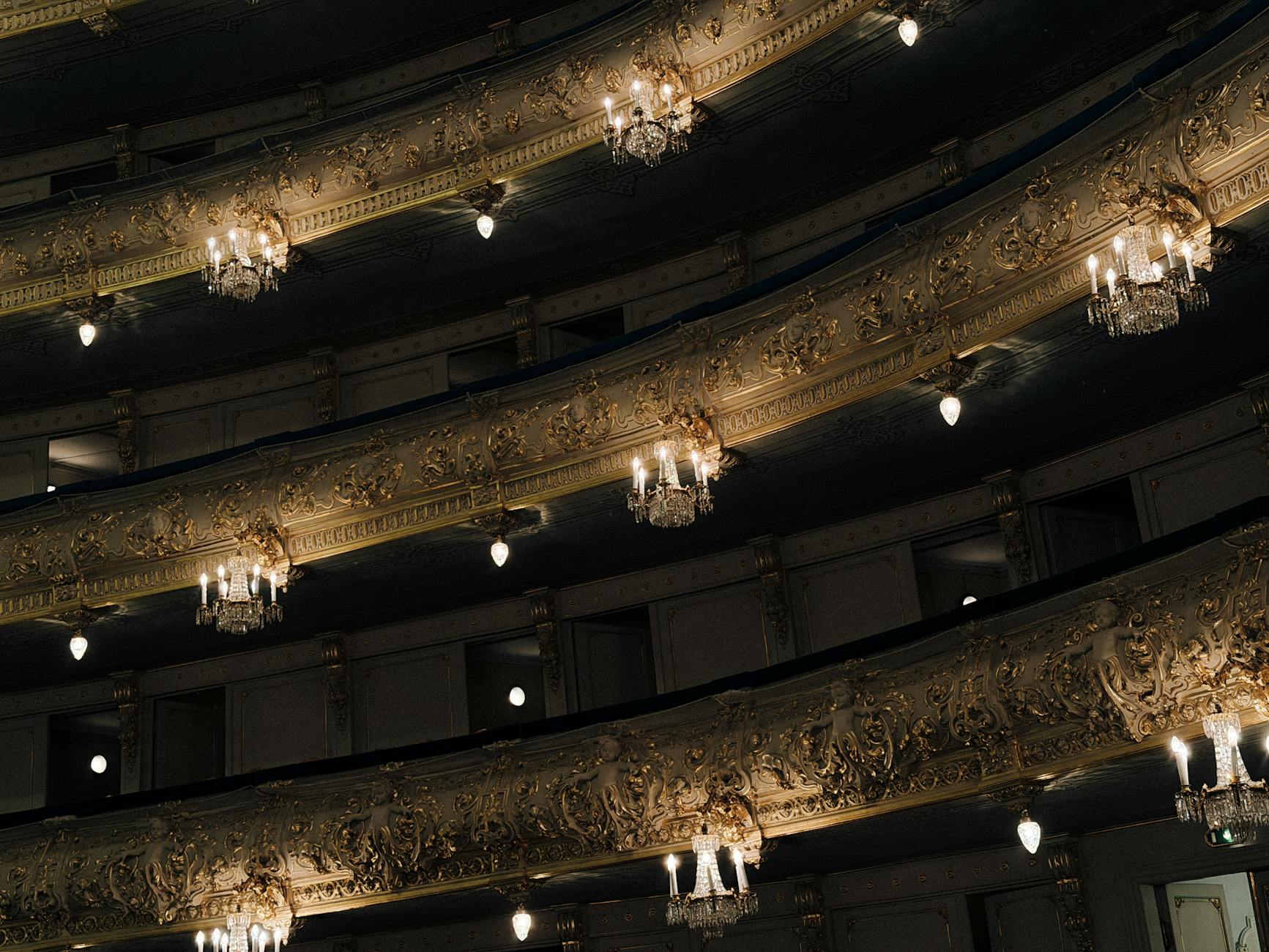
In a groundbreaking event, the Mariinsky Theatre recently presented an unfinished opera by Tchaikovsky, brought to life with the help of artificial intelligence. This unique collaboration highlights the intersection of classical music and cutting-edge technology, sparking conversations about the future of creative arts. The opera, which had remained in fragments for over a century, was meticulously completed using AI algorithms designed to analyze the composer’s style and intentions.
A Historic Premiere 🎭
The Mariinsky Theatre, a renowned institution in the world of classical music, has taken a bold step by staging a piece that Tchaikovsky never completed. The opera, which has remained in fragments for over a century, was meticulously finished using AI algorithms designed to analyze the composer’s style and intentions. This innovative approach not only honors Tchaikovsky’s legacy but also showcases the potential of technology in the arts.
The process involved feeding the AI vast amounts of Tchaikovsky’s existing works, including symphonies, ballets, and operas, allowing it to learn and mimic his compositional style. With over 600 compositions to draw from, the AI was able to identify patterns in melody, harmony, and orchestration that are characteristic of Tchaikovsky’s work. The result? A seamless continuation of his musical language that feels both authentic and fresh. This performance is a testament to how technology can enhance creativity, rather than replace it.
The Fusion of Tradition and Innovation 🎶
The collaboration between musicians and AI developers has opened up new avenues for exploration in the world of opera. The completed work was performed by a full orchestra and choir, with the audience experiencing a blend of traditional orchestration and modern soundscapes. The orchestra, consisting of over 80 musicians, played alongside the AI-generated score, creating a mesmerizing experience that resonated with both classical purists and tech enthusiasts alike.
This event raises intriguing questions about the role of AI in the creative process. Can machines truly understand and replicate the emotional depth of human artistry? While some critics argue that AI lacks the soul of a human composer, others believe that it can serve as a powerful tool for inspiration and collaboration. For instance, the AI’s ability to generate variations on Tchaikovsky’s themes allowed composers and musicians to explore new interpretations of familiar melodies, enriching the overall performance.
Moreover, the event has sparked a broader discussion about the implications of AI in the arts. According to a recent survey conducted by the International Federation of Musicians, nearly 70% of musicians believe that AI will play a significant role in the future of music composition. This sentiment reflects a growing acceptance of technology as a collaborator rather than a competitor in creative fields.
Quick Takeaways 📌
- Tchaikovsky’s unfinished opera was completed with AI assistance.
- The performance was held at the prestigious Mariinsky Theatre.
- The event sparked discussions on the future of music and technology.
- Audience engagement highlighted the emotional resonance of AI-composed music.
- The collaboration between musicians and AI developers opens new creative avenues.
FAQ ❔
What was the significance of the performance?
The performance marked a historic moment in the arts, showcasing how AI can be used to complete and enhance classical works, bridging the gap between the past and the future. It serves as a case study for the potential of AI in the creative industries, demonstrating that technology can coexist with traditional artistry.
How did the AI complete Tchaikovsky’s opera?
The AI was trained on Tchaikovsky’s existing compositions, allowing it to generate music that aligns with his style and emotional depth, effectively finishing the unfinished pieces. The algorithms analyzed various elements such as tempo, key signatures, and orchestration techniques, enabling the AI to produce a score that felt true to Tchaikovsky’s voice.
What reactions did the audience have?
The audience was captivated by the performance, with many praising the innovative use of technology while still appreciating the classical roots of the music. The blend of old and new created a unique atmosphere that resonated with all attendees. Post-performance discussions revealed a mix of awe and contemplation, as audience members considered the implications of AI in art.
Are there other examples of AI in music?
Yes, AI has been increasingly utilized in various aspects of music creation, from generating original compositions to assisting in sound design. Notable examples include OpenAI’s MuseNet, which can compose music in various genres, and Google’s Magenta project, which explores the intersection of machine learning and creativity. These initiatives further illustrate the potential for AI to collaborate with human artists.
This event at the Mariinsky Theatre not only honors Tchaikovsky’s genius but also invites us to ponder the future of creativity in an age where technology plays an ever-increasing role. As we continue to explore the boundaries of art and innovation, the collaboration between human and machine may redefine what it means to create. The successful integration of AI into classical music not only preserves the past but also paves the way for a future where creativity knows no bounds.