
Urban Sparrows Face Obesity Crisis Due to Fast Food Habits
Sparrows in cities are becoming obese due to unhealthy eating habits near fast food outlets, warns a biologist. Discover why it matters and what happens next.
- BackZee
- 5 min read
TL;DR 🚀
Make sure to check our deep dive on why this matters.
- Urban sparrows are developing obesity issues.
- Fast food locations are contributing to unhealthy diets.
- Experts warn of potential health risks for these birds.
- The shift in diet affects their natural foraging behaviors and reproductive success.
- Urban planning needs to consider wildlife-friendly spaces to mitigate these issues.
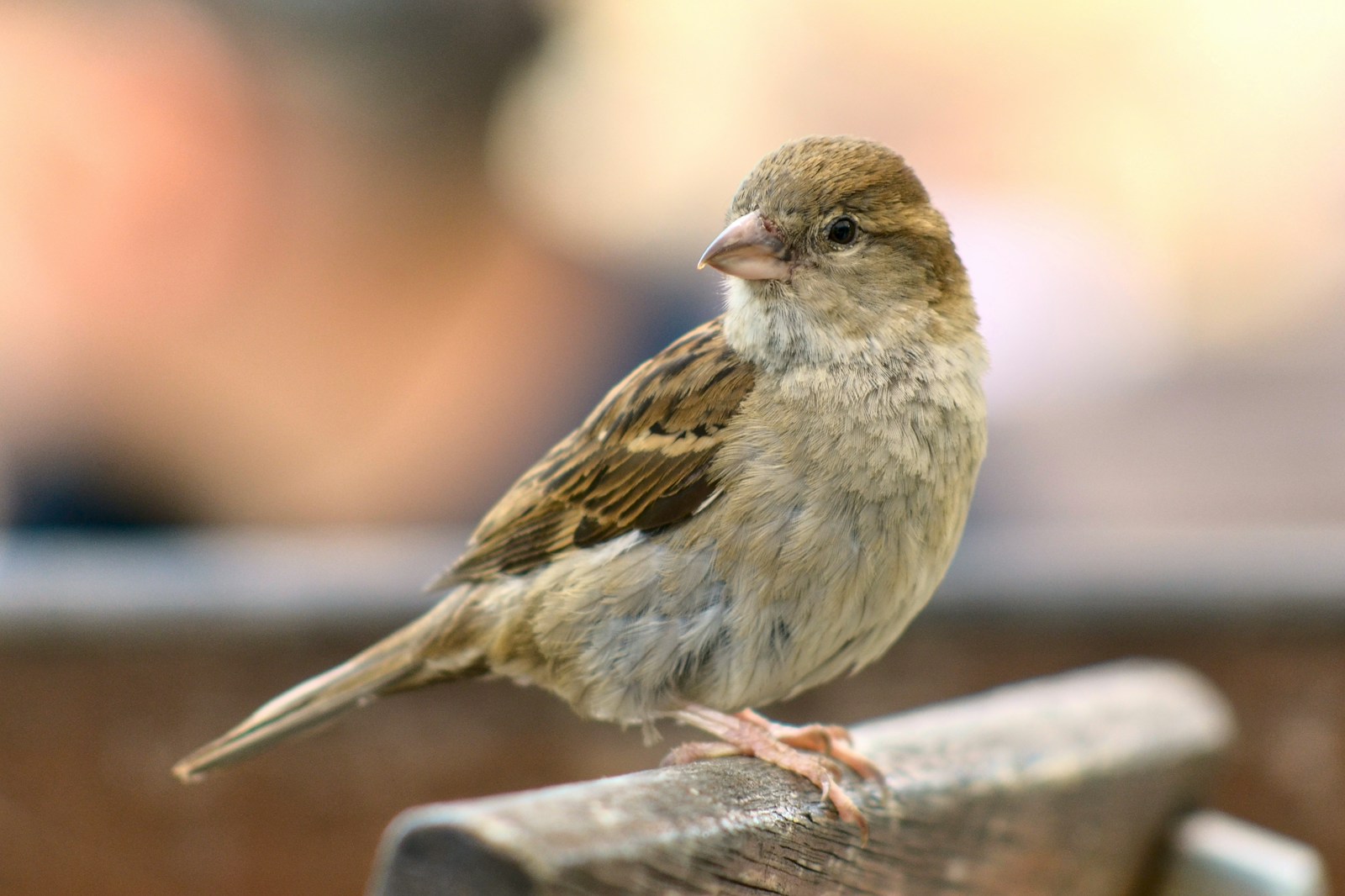
In a surprising twist on urban wildlife, sparrows are facing a growing obesity epidemic, largely due to their eating habits near fast food restaurants. Dr. Natalia Feoktistova, a biologist and scientific secretary at the Institute of Ecology and Evolution, has raised concerns about how these dietary changes are impacting the health of these birds. The phenomenon of urban sparrows becoming overweight is not just an isolated incident; it reflects a broader trend affecting various species in urban environments.
Urban Diets and Health Risks 🌆
Sparrows, once known for their adaptability, are now increasingly reliant on food scraps from fast food outlets. This shift in diet is leading to significant health issues, including obesity. Dr. Feoktistova emphasizes that the availability of high-calorie food is altering the natural foraging behavior of these birds.
Statistics show that urban sparrows can consume up to 50% more calories than their rural counterparts, primarily due to the easy access to discarded fast food. As they flock to areas with easy access to junk food, sparrows are consuming processed items that lack essential nutrients. This change not only affects their physical health but also their reproductive success and overall survival rates. For instance, studies have indicated that obesity can reduce the reproductive output of female sparrows by nearly 30%, leading to fewer fledglings and a decline in population numbers.
The implications of this trend extend beyond the birds themselves, as it highlights the broader impact of urbanization on wildlife. The urban landscape, filled with fast food outlets, creates an environment where natural food sources are scarce, forcing sparrows to adapt in unhealthy ways.
The Fast Food Connection 🍔
The proximity of fast food restaurants to urban habitats is a major factor in this obesity crisis. Sparrows are drawn to these locations due to the abundance of discarded food. This behavior is not unique to sparrows; many urban animals are adapting to human environments, often at the cost of their health.
Dr. Feoktistova’s research indicates that as sparrows become more reliant on these unhealthy food sources, their natural instincts to forage for insects and seeds diminish. This reliance on human food can lead to a vicious cycle of poor health and increased vulnerability to diseases. For example, sparrows that consume high-fat diets are more susceptible to infections and have a lower immune response, which can lead to increased mortality rates.
Moreover, the cultural implications of this dietary shift are significant. As urban areas become more populated, the availability of fast food is often seen as a convenience, but it comes at a cost. The adaptation of wildlife to these human-created environments raises ethical questions about our responsibility to coexist with nature. Are we inadvertently creating a world where wildlife must sacrifice their health for survival?
Quick Takeaways 📌
- Urban sparrows are increasingly obese due to fast food diets.
- High-calorie, low-nutrient foods are harming their health.
- The shift in diet affects their natural foraging behaviors and reproductive success.
- Urban planning should consider wildlife-friendly spaces to mitigate these issues.
The Broader Implications 🌍
The issue of sparrow obesity is a reflection of a larger environmental challenge. As cities expand and fast food becomes more prevalent, wildlife is forced to adapt in ways that may not be sustainable. This phenomenon raises questions about urban planning and the need for wildlife-friendly spaces.
Dr. Feoktistova suggests that creating green areas with native plants could help restore natural foraging behaviors among urban birds. By providing healthier food sources, we can encourage a more balanced diet for these sparrows and other wildlife. For instance, urban gardens and parks that feature native flora can attract insects and seeds, offering a more nutritious alternative to fast food scraps.
Moreover, this situation serves as a reminder of the interconnectedness of human and animal health. As we make choices about our own diets and the environments we create, we must consider the impact on local wildlife. The health of urban sparrows can serve as an indicator of the overall health of our urban ecosystems. For more insights on urban wildlife and health, check out our post on /posts/urban-wildlife-challenges.
The Role of Community Engagement
Community involvement is crucial in addressing these issues. Initiatives such as local clean-up days, educational programs about the importance of native plants, and even the establishment of bird-friendly zones can make a significant difference. Cities like San Francisco have implemented programs to create more green spaces, which not only benefit wildlife but also enhance the quality of life for residents.
FAQ ❔
What are the main causes of obesity in urban sparrows?
Urban sparrows are primarily becoming obese due to their reliance on high-calorie food from fast food outlets, which lacks essential nutrients.
How does fast food affect sparrow behavior?
Fast food availability alters sparrow foraging behaviors, leading them to abandon their natural diets in favor of easily accessible junk food.
What can be done to help urban sparrows?
Creating green spaces with native plants can provide healthier food sources, encouraging sparrows to return to their natural foraging habits and improve their overall health.
Are other urban animals facing similar issues?
Yes, many urban animals, including pigeons and raccoons, are adapting to human food sources, often leading to health problems similar to those seen in urban sparrows.
How can individuals contribute to improving urban wildlife health?
Individuals can contribute by supporting local initiatives aimed at creating green spaces, reducing litter, and promoting awareness about the importance of maintaining natural habitats in urban areas.