
Urban Sparrows Face Obesity Crisis Due to Fast Food Habits
Sparrows in cities are becoming obese due to unhealthy diets near fast food outlets, warns biologist Natalia Feoktistova. Discover why it matters and what happe
- BackZee
- 5 min read
TL;DR 🚀
Make sure to check our deep dive on why this matters.
- Urban sparrows are gaining weight due to fast food diets.
- Biologist Natalia Feoktistova highlights the health risks.
- The situation raises concerns about urban wildlife health.
- Obesity in sparrows can lead to reduced mobility and increased disease vulnerability.
- The trend reflects broader impacts of urbanization on wildlife diets.
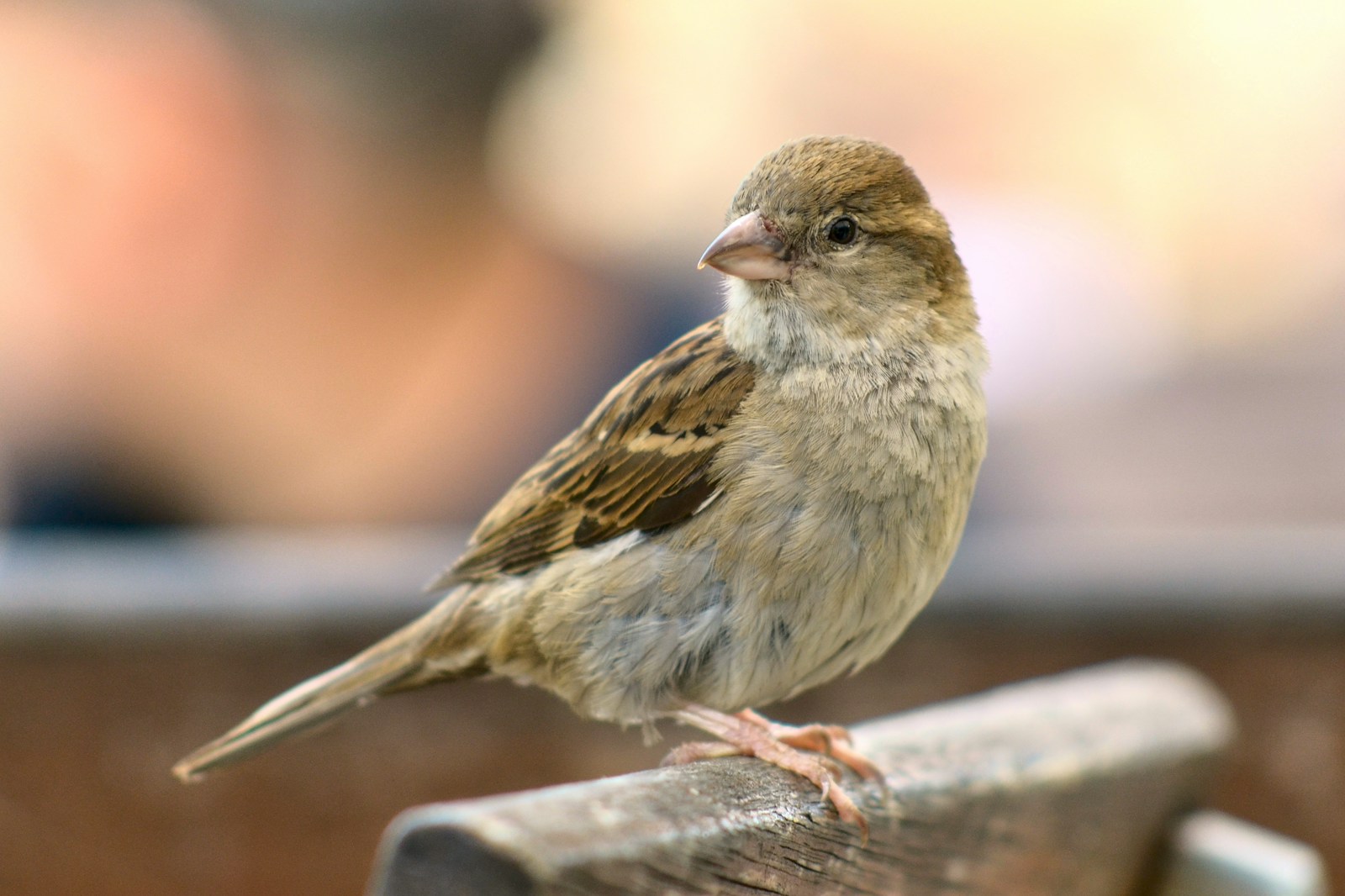
In a surprising twist, urban sparrows are facing an obesity epidemic, primarily fueled by their proximity to fast food restaurants. Biologist Natalia Feoktistova has shed light on this alarming trend, emphasizing the negative health impacts on these birds as they adapt to human environments. This phenomenon is not just an isolated issue; it reflects a significant shift in the relationship between urban wildlife and human activity.
The Fast Food Effect 🍔
Sparrows, once known for their resilience and adaptability, are now struggling with weight issues as they feast on leftover fast food. Feoktistova explains that these birds are increasingly foraging near fast food outlets, leading to a diet that is far from natural.
This shift in diet is not just a quirky observation; it poses significant health risks. Obesity in birds can lead to various health complications, including reduced mobility and increased vulnerability to diseases. For instance, a study published in the journal Avian Biology found that overweight birds exhibited a 30% decrease in flight efficiency, making them more susceptible to predators and environmental stressors. As these sparrows consume more high-calorie foods, their natural foraging instincts are compromised, making them reliant on human waste.
Key Factors Contributing to Obesity
- Accessibility of junk food: Fast food remains abundant in urban areas, making it easy for sparrows to find. In cities like New York and Los Angeles, studies show that sparrows are often seen scavenging near popular fast food chains, where discarded food is plentiful.
- Lack of natural food sources: Urbanization has diminished the availability of traditional food sources for these birds. Natural habitats have been replaced with concrete jungles, reducing the availability of insects, seeds, and fruits that are essential for a balanced diet.
- Human interaction: Increased human activity around food outlets encourages sparrows to congregate in unhealthy environments. This behavior is not limited to sparrows; other urban wildlife, such as pigeons and raccoons, have also adapted to similar feeding habits.
Health Risks for Urban Wildlife 🐦
The implications of this trend extend beyond just sparrows. The health of urban wildlife is increasingly at risk as they adapt to human lifestyles. Feoktistova warns that obesity can lead to a decline in biodiversity, as species that cannot adapt may face extinction. For example, the decline of certain bird species in urban areas has been linked to their inability to compete for food with more adaptable species, such as sparrows.
Moreover, the phenomenon raises questions about the impact of urbanization on wildlife. As cities grow, the natural habitats of various species are eroded, forcing them to adapt in ways that may not be sustainable. A report from the World Wildlife Fund (WWF) indicates that urban areas are expanding at a rate of 1.5 million square kilometers per year, significantly impacting local ecosystems. For more insights on urban wildlife challenges, check out our post on /posts/urban-wildlife-challenges/.
Cultural Insights
The relationship between urban wildlife and human activity is a reflection of broader societal trends. In many cultures, sparrows are seen as symbols of resilience and adaptability. However, the current obesity crisis challenges this narrative, highlighting the darker side of urbanization. In countries like Japan, where sparrows are celebrated in art and literature, the sight of these birds struggling for survival in fast food environments is a stark reminder of the consequences of modern living.
Quick Takeaways 📌
- Urban sparrows are consuming unhealthy diets, leading to obesity.
- Fast food availability is a significant factor in this trend.
- The health of urban wildlife is at risk due to changing diets.
- Obesity in sparrows can lead to reduced mobility and increased disease vulnerability.
- Urbanization is reshaping wildlife diets and habitats.
FAQ ❔
Why are urban sparrows becoming obese?
Urban sparrows are increasingly relying on fast food scraps, which are high in calories and low in nutritional value, leading to weight gain. This dietary shift is exacerbated by the scarcity of natural food sources in urban environments.
What are the health implications of obesity in sparrows?
Obesity can cause various health issues in sparrows, including reduced mobility, higher susceptibility to diseases, and overall decreased fitness. This can ultimately affect their survival rates and reproductive success.
How does urbanization affect wildlife diets?
Urbanization often leads to the destruction of natural habitats, forcing wildlife to adapt to human environments where unhealthy food sources are prevalent. As a result, many species are forced to change their diets, often to their detriment.
Are other urban wildlife species facing similar issues?
Yes, other urban wildlife species, such as pigeons, raccoons, and even foxes, are also adapting to human environments and may be facing similar health issues due to reliance on human food sources.
What can be done to help urban wildlife?
Creating green spaces, promoting biodiversity, and reducing food waste can help provide healthier food sources for urban wildlife. Community initiatives aimed at preserving natural habitats can also play a crucial role in supporting these species.
As we continue to observe the effects of urbanization on wildlife, the plight of the sparrows serves as a cautionary tale. Their struggle with obesity highlights the broader implications of human activity on the natural world. It’s a reminder that our choices can have far-reaching consequences, even for the smallest creatures among us. By fostering a greater awareness of these issues, we can work towards creating a more sustainable coexistence with the wildlife that shares our urban spaces.