
Why Trendy Easter Cakes Are Stirring Controversy in Russia
Russian Easter cakes are sparking debates over their extravagant prices and modern twists, with some finding them sacrilegious. Discover why it matters and what
- BackZee
- 5 min read
TL;DR 🚀
Make sure to check our deep dive on why this matters.
- Trendy Easter cakes in Russia are priced up to 100,000 rubles.
- Many view these extravagant options as sacrilegious.
- The debate highlights a clash between tradition and modern culinary creativity.
- Social media amplifies the discussion, showcasing both support and criticism.
- The rise of designer cakes reflects broader trends in luxury food consumption.
As Easter approaches, a new trend is causing quite a stir in Russia: extravagant Easter cakes that can cost a staggering 100,000 rubles. While some embrace the variety and creativity, others see these modern takes as a departure from tradition and a potential affront to their faith. This controversy has ignited discussions not only about food but also about cultural identity and the commercialization of sacred traditions.
The Cake Controversy 🍰
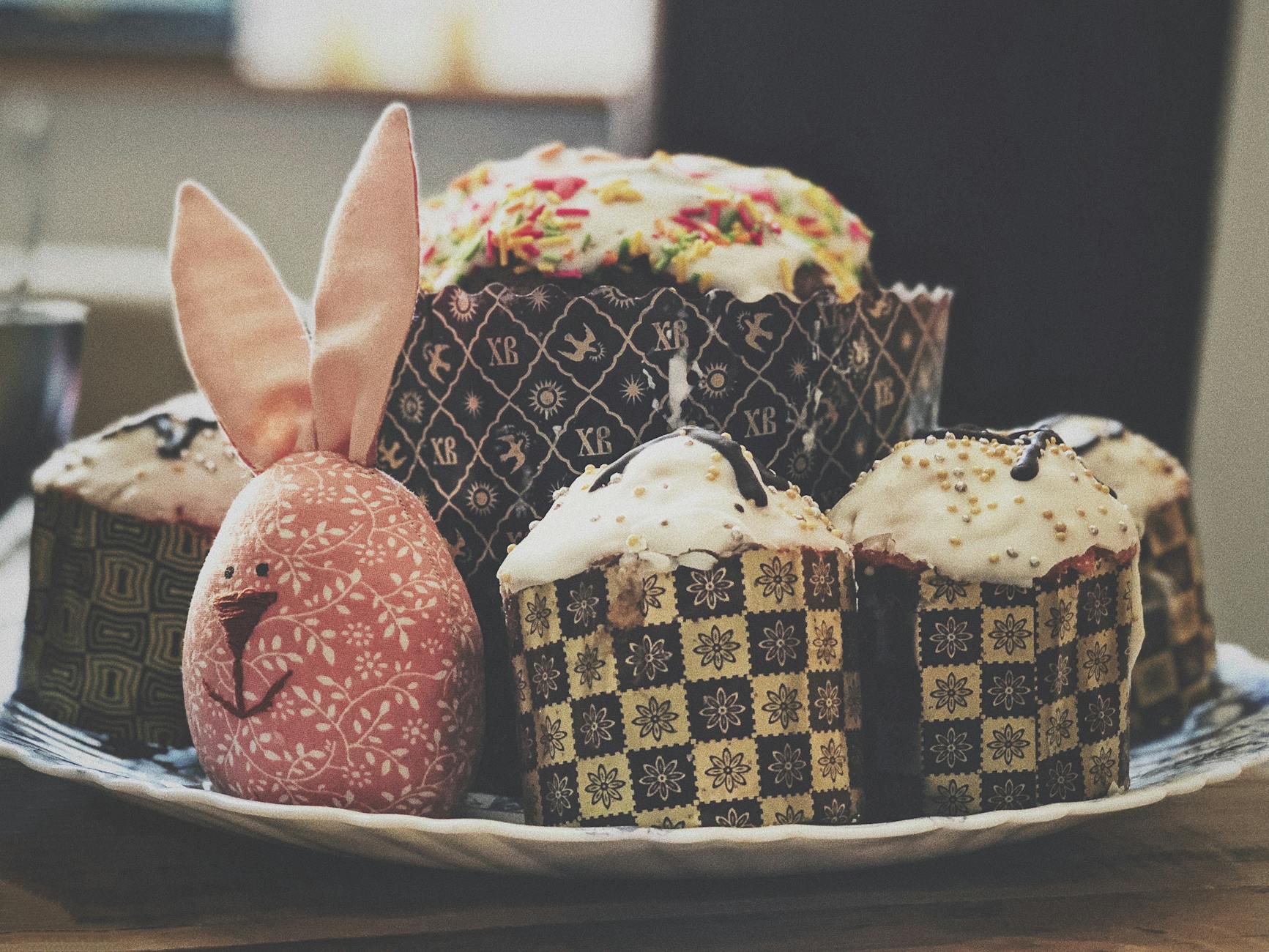
Easter cakes, or kulich, are a staple of Orthodox Easter celebrations, symbolizing the resurrection and the end of Lent. Traditionally, these cakes are rich with butter and eggs, representing the joy of the holiday. The classic kulich is often adorned with a simple icing and decorated with religious symbols, making it a centerpiece of the Easter feast. However, the recent trend of incorporating luxurious ingredients like Dubai chocolate, pepperoni, and even edible gold has left many Russians feeling uneasy.
The prices of these trendy cakes have skyrocketed, leading to jokes about how the cost has “shot into space,” especially since this year’s Easter coincides with Cosmonautics Day. The juxtaposition of celebrating space exploration and the resurrection of Christ has not gone unnoticed, further fueling the debate.
A recent roundup of designer cakes featured options filled with pistachio paste, dried pears, popcorn, marshmallows, and even cakes encased in massive chocolate domes. The most luxurious creations can reach tens of thousands of rubles, with one standout being the “Firebird” cake from the restaurant “Gvidon.” This cake, adorned with intricate designs and luxurious fillings, has become a symbol of the new wave of culinary artistry in Russia.
Cultural Insights
The rise of these extravagant cakes reflects a broader trend in Russian society, where luxury and status are increasingly celebrated. According to a 2023 survey by the Russian Public Opinion Research Center, nearly 30% of respondents indicated they were willing to spend significantly more on food experiences that showcase creativity and luxury. This shift in consumer behavior is not limited to Easter but extends to various culinary events throughout the year.
However, this trend has also been met with resistance. Many Russians are deeply connected to their cultural and religious traditions, and the kulich is more than just a cake; it is a representation of faith and family. The debate surrounding these trendy cakes is not merely about flavor or aesthetics; it touches on the essence of what it means to celebrate Easter in a rapidly changing world.
The Clash of Tradition and Trend 🎉
This debate isn’t just about cake; it reflects a broader cultural conversation. Many Russians are torn between the desire for modern culinary experiences and the need to preserve their cultural heritage. While some appreciate the creativity and variety these new cakes bring, others feel that they detract from the true meaning of Easter.
The rise of social media has amplified these discussions, with users sharing their opinions and experiences. Platforms like Instagram and VKontakte are flooded with images of extravagant cakes, leading to a mix of admiration and criticism. Some see the extravagant cakes as a way to celebrate the holiday in style, while others argue that they are a commercialization of a sacred tradition.
Quick Takeaways 📌
- Kulich is a traditional Easter cake in Russia, symbolizing resurrection.
- Modern variations include extravagant ingredients and high price tags.
- The debate highlights a cultural clash between tradition and modernity.
- The trend reflects a growing appetite for luxury food experiences among Russians.
- Social media plays a crucial role in shaping public perception and discourse.
FAQ ❔
Why are trendy Easter cakes controversial in Russia?
The controversy stems from the high prices and the use of extravagant ingredients that many view as disrespectful to the traditional kulich, which has deep cultural and religious significance. Critics argue that these cakes prioritize aesthetics and luxury over the spiritual essence of the holiday.
What are some popular ingredients in these modern kulich?
Modern kulich often includes luxurious items like Dubai chocolate, edible gold, and even savory ingredients like pepperoni, which diverges from the traditional sweet flavors. Other popular additions include exotic fruits, gourmet nuts, and artisanal creams, pushing the boundaries of what a kulich can be.
How have social media influenced the perception of these cakes?
Social media platforms have allowed for widespread sharing of opinions, leading to heated discussions about the appropriateness of these extravagant cakes and their place in Easter celebrations. Influencers and food bloggers often showcase these cakes, contributing to their popularity while also igniting debates about authenticity and respect for tradition.
Are there any alternatives to trendy Easter cakes?
Yes, many bakeries and home bakers continue to produce traditional kulich, often using family recipes passed down through generations. These cakes are typically simpler, focusing on the classic flavors and textures that have defined Russian Easter celebrations for centuries. Additionally, some bakers are experimenting with a middle ground, offering modern twists on traditional recipes that maintain the essence of the kulich while incorporating contemporary flavors.
What does this trend say about Russian society today?
The trend of extravagant Easter cakes reflects a society grappling with modernization and the influence of global culinary trends. It highlights the tension between maintaining cultural heritage and embracing new experiences, showcasing how food can serve as a mirror to broader societal changes.