
Luxury Easter Bread: Why Russians Reject Pricey Kulich Trends
Russians are pushing back against extravagant kulich prices, preferring traditional flavors over luxury ingredients. Discover why it matters and what happens ne
- BackZee
- 5 min read
TL;DR 🚀
Make sure to check our deep dive on why this matters.
- Russians are divided over extravagant kulich prices.
- Traditional flavors are preferred over luxury ingredients.
- Some kulichs are priced as high as 100,000 rubles.
- The kulich symbolizes cultural heritage and community.
- Social media plays a significant role in shaping public opinion on food trends.
As Easter approaches, the debate around luxury kulich—the traditional Russian Easter bread—heats up. While some embrace the trend of extravagant ingredients, many Russians feel that these modern twists stray too far from tradition. The kulich is not just a bread; it is a cultural artifact steeped in history and communal significance.
The Kulich Controversy 🍞
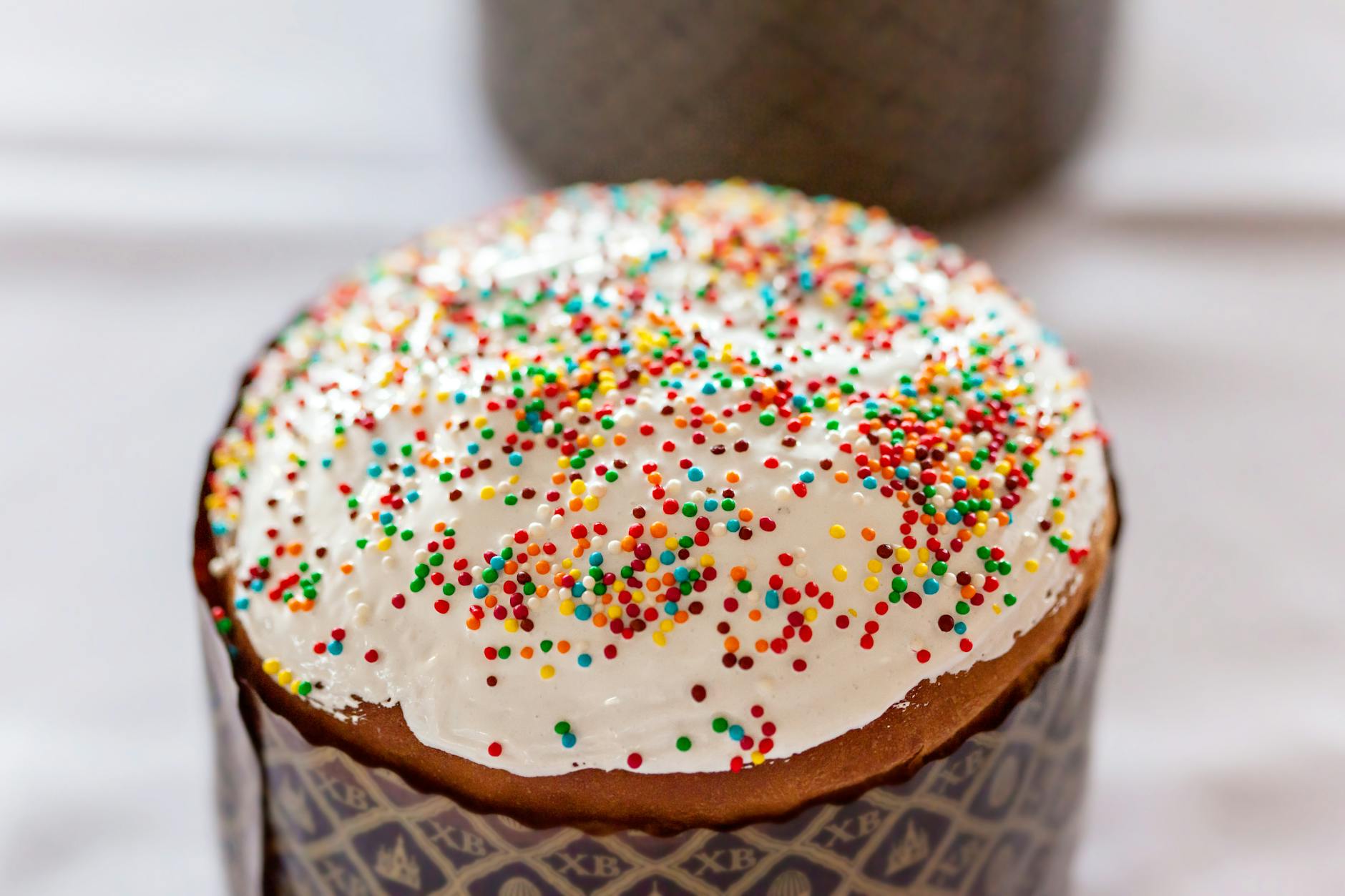
The kulich is a beloved symbol of Orthodox Easter, representing the joy of the Resurrection and the end of Lent. Traditionally, this festive bread is rich with butter and eggs, celebrating the end of fasting. In fact, kulich has been a part of Russian Easter celebrations for centuries, with recipes passed down through generations. However, recent trends have introduced unusual ingredients like Dubai chocolate, pepperoni, and even gold leaf into the mix.
Many Russians are left scratching their heads at these innovations, believing that a classic kulich with raisins and icing is more than sufficient. The prices for these trendy options have skyrocketed, with some reaching a staggering 100,000 rubles. This price point has led to a cultural backlash, as many feel that such extravagance undermines the spirit of the holiday. Social media users have humorously noted that since Easter coincides with Cosmonautics Day this year, the prices of kulich have truly “launched into space.”
Cultural Significance of Kulich
The kulich is not merely a food item; it embodies the essence of Russian Easter traditions. Families often gather to bake kulich together, reinforcing bonds and sharing stories. The act of breaking bread is a communal experience, symbolizing unity and shared faith. The traditional kulich is adorned with icing and decorated with religious symbols, making it a centerpiece of the Easter feast.
As such, the introduction of luxury ingredients is seen by many as a commodification of a sacred tradition. The kulich’s transformation into a luxury item raises questions about authenticity and the preservation of cultural heritage.
A Taste of Luxury 🌟
In a recent roundup of designer kulich options, we saw creations featuring pistachio paste, dried pears, popcorn, marshmallows, and even those extravagant gold-topped varieties. The most luxurious options can cost tens of thousands of rubles. One standout is the “Firebird” kulich from the restaurant “Gvidon,” which has garnered attention for its opulence. Priced at 75,000 rubles, it features a blend of exotic spices and a rich chocolate ganache, appealing to those who wish to indulge in a modern culinary experience.
Despite the allure of these high-end options, many consumers are advocating for a return to simpler, more traditional flavors. The contrast between the extravagant and the classic has sparked a lively discussion about what Easter truly means to Russians today.
The Role of Social Media
Social media platforms like Instagram and TikTok have played a crucial role in shaping public perception of food trends. Influencers and food bloggers showcase their extravagant kulich creations, often leading to a surge in demand for these luxury items. However, this has also prompted a counter-movement where users share their homemade kulich recipes, emphasizing the importance of tradition over novelty.
The hashtag #KulichChallenge has gained traction, encouraging people to post pictures of their traditional kulich, often accompanied by stories about their family’s recipes. This grassroots movement serves as a reminder of the cultural significance of kulich and the values it represents.
Quick Takeaways 📌
- Traditional kulich remains popular among many Russians.
- Luxury ingredients are seen as unnecessary by some.
- The price of trendy kulich has become a topic of humor and debate.
- Social media influences perceptions of food trends.
- The kulich serves as a cultural artifact, representing community and tradition.
FAQ ❔
Why are some Russians against luxury kulich?
Many believe that traditional flavors are sufficient for celebrating Easter, and they view the extravagant ingredients as a departure from cultural norms. The kulich is seen as a symbol of heritage, and altering its essence is perceived as disrespectful.
What are some popular traditional kulich ingredients?
Classic kulich typically includes butter, eggs, raisins, and icing, celebrating the end of Lent with rich flavors. Some families also incorporate citrus zest or almonds, adding a personal touch to their recipes.
How much can luxury kulich cost?
Prices for some designer kulich can reach as high as 100,000 rubles, sparking conversations about the value of tradition versus modern trends. This price point has led to a growing divide between those who embrace luxury and those who advocate for authenticity.
What is the cultural significance of kulich in Russia?
Kulich is more than just a festive bread; it symbolizes community, family, and faith. The act of baking and sharing kulich during Easter reinforces social bonds and preserves cultural heritage.
How has social media affected the kulich trend?
Social media has amplified both the demand for luxury kulich and the appreciation for traditional recipes. It serves as a platform for discussions about cultural values and the importance of maintaining culinary traditions in the face of modern trends.